Relapsing-Remitting MS Research
Updated
Relapsing-remitting MS is the most common type, and around 85 in every 100 people with MS are diagnosed with it. Relapses are new or worsening symptoms lasting at least 24 hours, followed by periods of good or complete recovery, called remission. Below is the latest research on relapsing-remitting MS, explained in plain language.
Latest studies

Brain scans found MS groups with different disability
Brain scans identified four MS groups. Disability and worsening without a relapse differed between groups, but thinking test results did not differ across them.

In MS, Ocrevus reduced inflammatory immune cells
Researchers found that Ocrevus reduced a group of inflammatory immune cells in MS. Tysabri increased these cells in blood, but patient outcomes were not tested.

Ocrevus: Half of Black and Hispanic adults had no MS activity
In a trial of 182 Black and Hispanic adults with relapsing MS, about half had no disease activity after 48 weeks on Ocrevus. No drug was compared.

MS drug switches after silent MRI spots: fewer relapses
In people with relapsing MS, switching drugs after silent brain scan spots was linked to fewer relapses, but disability worsening was similar over four years.

MS treatment gains favor relapsing over progressive forms
This review says treatments have improved outcomes for relapsing MS, but options for progressive MS remain limited. Symptom care and lifestyle support also matter.
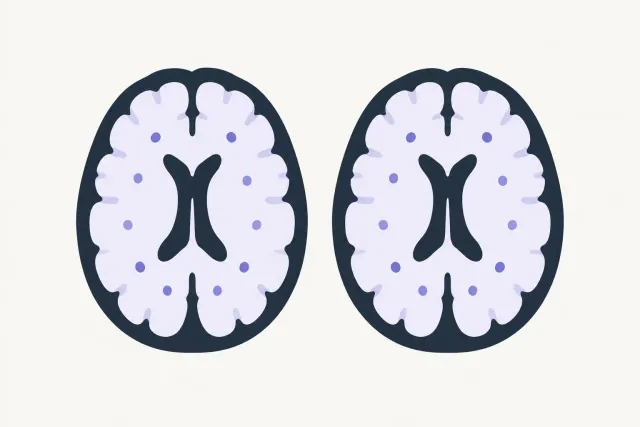
Rituximab and Ocrevus had similar MS brain scan results
In a trial of 218 adults with newly diagnosed relapsing MS, rituximab and Ocrevus had similar brain scan results. Infections were more common with rituximab.

Blood immune cells predicted worse MS after a first attack
Researchers found blood immune cells linked to MS relapses. Higher levels at a first MS-like attack predicted a more severe course two years later.

Mavenclad caused lasting loss of inflammatory cells in MS
In people with relapsing MS, Mavenclad caused a lasting drop in inflammatory immune cells. Researchers also compared these cells in untreated people and donors.

Virus antibodies tracked MS flare-ups and brain lesions
A study linked certain Epstein-Barr virus antibodies to flare-ups or active brain lesions in people with relapsing-onset MS. It did not establish a cause.

Review examines brain cells linked to MS progression
A review explores how support cells in the brain and spinal cord may play a role in MS progression, and discusses possible targets for future treatments.

MS: Treatment did not boost protective cells after Lemtrada
In people with relapsing MS previously treated with Lemtrada, a low-dose immune signal did not increase cells that help prevent the body from attacking itself.

Eye scans found more retinal spots in people with MS
People with relapsing or progressive MS had more bright spots on eye scans. Higher spot counts were linked to findings across several areas on brain scans.

Spinal fluid test distinguished MS from similar diseases
Researchers studied spinal fluid from 5,000 people. A new protein test distinguished MS from related diseases, including challenging cases, in a separate group.

Skull scan signal was higher in secondary progressive MS
In a study of people with and without MS, a skull scan signal was higher in secondary progressive MS and was linked to disability and brain tissue loss.

Earlier Briumvi use linked to less MS worsening at 5 years
In a five-year study of relapsing MS, adults who started Briumvi earlier had less disability worsening than those who switched to it later from Aubagio.

Stronger MS drugs did not curb relapse-free worsening
A French registry study found stronger MS treatments did not reduce worsening without relapses or scan changes, though other disability measures favored them.

In MS, immune cell patterns differed after Mavenclad
In 22 people with relapsing MS, researchers found different immune cell patterns after cladribine treatment in those with relapses and those who stayed stable.

Blood Test Plus MRI May Better Predict New MS Lesions
A study of people with MS found that a blood test plus MRI identified two disease patterns. One pattern was linked to a higher chance of new lesions over time.

Memory, not thinking speed, lagged in early relapsing MS
In a study of people with MS, memory problems were more common than slowed thinking in early relapsing disease. Secondary progressive MS showed a different pattern.

Spinal fluid test distinguished MS from other conditions
In a study of 160 people, spinal fluid tests helped distinguish MS from other nerve conditions and predict later disability in people with confirmed MS.

Menopause did not speed up disability in women with MS
In a study of women whose MS began with relapses, menopause was not linked to faster disability worsening or a higher risk of secondary progressive MS.

Depression-related genes linked to more MS relapses
Among 3,420 adults with MS, higher inherited depression risk was linked to more relapses. In the US group, it was also linked to disability worsening.

MS relapses rose with longer Tysabri pregnancy breaks
In a study of women with MS, longer Tysabri breaks around pregnancy were linked to more relapses. A B-cell drug plan before pregnancy had the lowest relapse rate.

Stem cell transplants cut MS relapses more than two drugs
In people with relapsing MS, stem cell transplants were linked to fewer relapses and more disability improvement than Mavenclad or Lemtrada in matched groups.

Trial drug did not improve scores in two MS studies
In two MS trials, elezanumab did not improve the main study score for people with relapsing or progressive MS. Serious health problems occurred at similar rates.
Blood test found early signs of future relapsing MS
In blood samples from people with and without relapsing MS, certain antibody levels were higher years before diagnosis. The test's ability to predict MS remains unclear.
Steroids reduced misleading spinal cord shrinkage in MS
In 123 people newly diagnosed with MS, earlier high-dose steroids were linked to less misleading spinal cord shrinkage on scans after MS treatment began.

Stem cell transplant had fewer relapses than MS drugs
In a London study of people with relapsing MS, stem cell transplant was linked to fewer flare-ups than Lemtrada or Ocrevus, but similar disability worsening.

MS worsening without relapses varies by study rules
A study of 33,303 people with MS found that rates of worsening without relapses changed with the rules used to measure it. Researchers proposed shared rules.
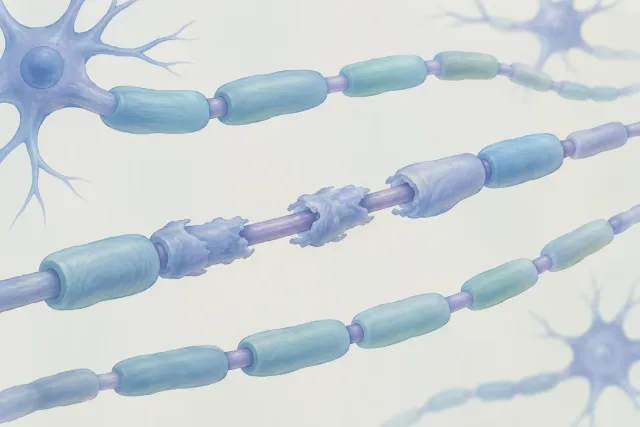
Tolebrutinib did not cut MS relapses more than Aubagio
In two trials of relapsing MS, tolebrutinib did not reduce flare-ups more than Aubagio. Disability worsening was less common, but minor bleeding was more common.

High-dose vitamin D cut new lesions after first MS attack
In a trial after a first MS-like attack, high-dose vitamin D reduced new brain lesions over 24 months. It did not clearly reduce relapses or other clinical outcomes.

Stem cell transplant backed after relapsing MS drugs fail
Experts generally support stem cell transplants for aggressive relapsing MS after strong drugs fail. Guidance for progressive MS and an MS look-alike is less clear.

Brain scans find early energy changes in MS nerve tissue
Brain scans found changes in energy use in tissue that looked normal in MS. Changes appeared early and were greater with longer disease duration and disability.

Stopping MS drugs raised brain scan activity in stable MS
In a trial of 89 adults with stable MS, stopping first-line treatment led to more new brain scan changes than continuing treatment. The trial ended early.

MS treatment lessons may guide Parkinson drug research
Researchers discuss how lessons from MS drug development might guide Parkinson disease research. This article proposes research paths but tests no treatments.

Evobrutinib did not beat Aubagio for MS flare-ups in trials
In two trials of relapsing MS, evobrutinib did not prevent more flare-ups than Aubagio. Serious health problems and signs of liver damage were more common.

New brain scans track repair and damage in MS lesions
Detailed brain scans tracked MS lesions over two years. Most stayed stable, while others showed signs of repair or damage linked with disability and MS type.

MS disability worsened more slowly in recent years
A study of 1,405 people with relapsing MS found slower disability worsening in more recent diagnosis groups, including worsening that happened without a relapse.

Rituximab cut MS relapses; infections rose after switch
In a Swedish study of relapsing MS, rituximab was linked to fewer relapses but more hospital-treated infections after a treatment switch, not at first treatment.

MS disability may worsen without relapses from early on
A review describes rising MS rates, a shift toward older ages, and evidence that disability can worsen without relapses, even early in the disease.

Brain damage tied to thinking differs by sex in MS
A brain scan study found similar rates of thinking problems in men and women with MS, but differences in how brain damage related to their thinking test scores.

MS drugs that calm immune cells show early trial benefits
A review finds encouraging early trial results for MS drugs that reduce immune cell activity. Their long-term effects and use after other treatments remain unclear.
MS research roundups by month · All MS research news
Check out the MS Buddy app
Track symptoms, monitor wellness, and stay on top of your MS care. It’s free, with no ads. Built by people living with MS.