Secondary Progressive MS Research
Updated
Many people first diagnosed with relapsing-remitting MS later move into a stage called secondary progressive MS. In this stage, symptoms gradually get worse and build up over time. Below is the latest research on secondary progressive MS, explained in plain language.
Latest studies
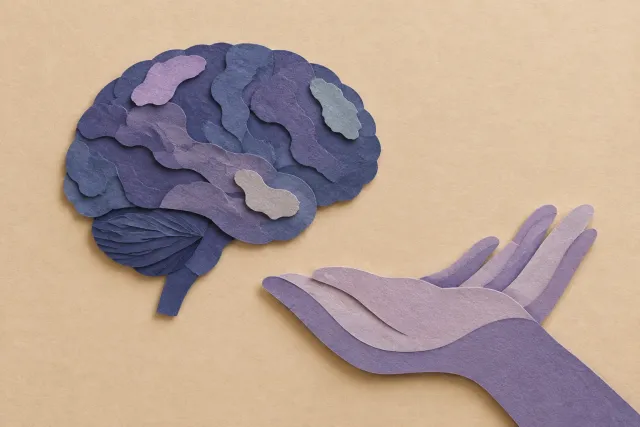
Brain lesions linked to worsening weakness in MS cases
A review of 17 people with worsening weakness found rare brain lesions along movement pathways. Some had MS; others had related nerve-covering conditions.
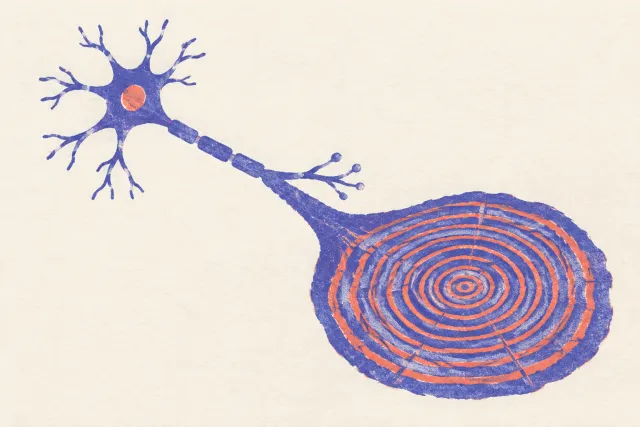
Age estimate from nerve protein ran older in people with MS
Researchers compared people with MS and people without MS. A nerve protein suggested older age in MS, especially with greater disability or progressive disease.

Brain scans found MS groups with different disability
Brain scans identified four MS groups. Disability and worsening without a relapse differed between groups, but thinking test results did not differ across them.

MS treatment gains favor relapsing over progressive forms
This review says treatments have improved outcomes for relapsing MS, but options for progressive MS remain limited. Symptom care and lifestyle support also matter.

Review examines brain cells linked to MS progression
A review explores how support cells in the brain and spinal cord may play a role in MS progression, and discusses possible targets for future treatments.

Review explores how low oxygen may drive MS worsening
This review examines whether low oxygen and energy shortages help sustain slow-burning inflammation as MS worsens. It reports no new treatment results.

Eye scans found more retinal spots in people with MS
People with relapsing or progressive MS had more bright spots on eye scans. Higher spot counts were linked to findings across several areas on brain scans.
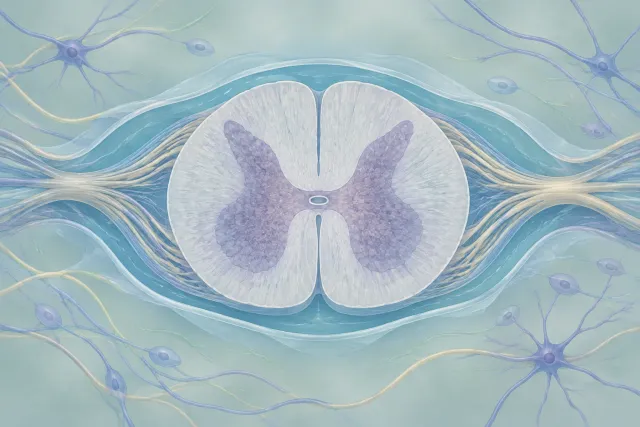
Spinal fluid test distinguished MS from similar diseases
Researchers studied spinal fluid from 5,000 people. A new protein test distinguished MS from related diseases, including challenging cases, in a separate group.
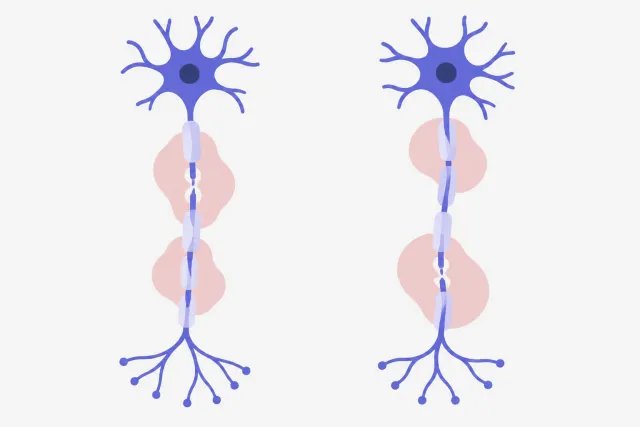
Progressive MS and a virus-linked disease share damage
A review compares progressive MS with a virus-linked spinal cord disease. It finds shared patterns of inflammation and nerve damage, despite different causes.

Skull scan signal was higher in secondary progressive MS
In a study of people with and without MS, a skull scan signal was higher in secondary progressive MS and was linked to disability and brain tissue loss.

Lab-grown immune cells may help study worsening in MS
This review describes how lab-grown human brain immune cells may help researchers study worsening in MS, while noting the models' strengths and limits today.

Blood Test Plus MRI May Better Predict New MS Lesions
A study of people with MS found that a blood test plus MRI identified two disease patterns. One pattern was linked to a higher chance of new lesions over time.

Memory, not thinking speed, lagged in early relapsing MS
In a study of people with MS, memory problems were more common than slowed thinking in early relapsing disease. Secondary progressive MS showed a different pattern.

Spinal fluid test distinguished MS from other conditions
In a study of 160 people, spinal fluid tests helped distinguish MS from other nerve conditions and predict later disability in people with confirmed MS.
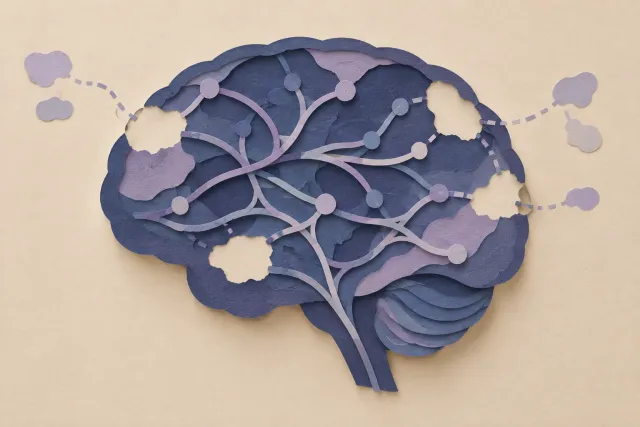
Brain scan finds hidden nerve connection loss in MS
A specialized brain scan found nerve connection loss in 31 people with MS. Affected areas were larger than MRI lesions and linked to disability and thinking.

MS relapses rose with longer Tysabri pregnancy breaks
In a study of women with MS, longer Tysabri breaks around pregnancy were linked to more relapses. A B-cell drug plan before pregnancy had the lowest relapse rate.

Trial drug did not improve scores in two MS studies
In two MS trials, elezanumab did not improve the main study score for people with relapsing or progressive MS. Serious health problems occurred at similar rates.

Clemastine linked to faster disability in progressive MS
In a small progressive MS trial, disability worsened faster with clemastine than in other participants. The clemastine group stopped after safety concerns arose.

Tolebrutinib slowed disability in secondary progressive MS
In a trial of 1,131 people with secondary progressive MS without relapses, fewer taking tolebrutinib had lasting disability worsening than those taking a placebo.
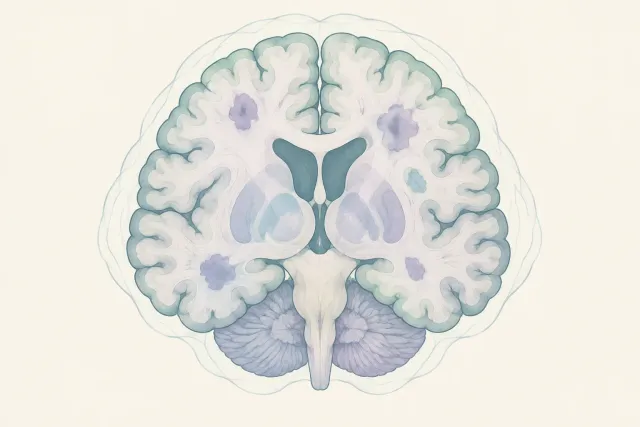
New tool measures MS brain changes in old hospital scans
Researchers tested a new tool on thousands of MS brain scans. It measured lesions and brain shrinkage from older scans that used just one type of image.
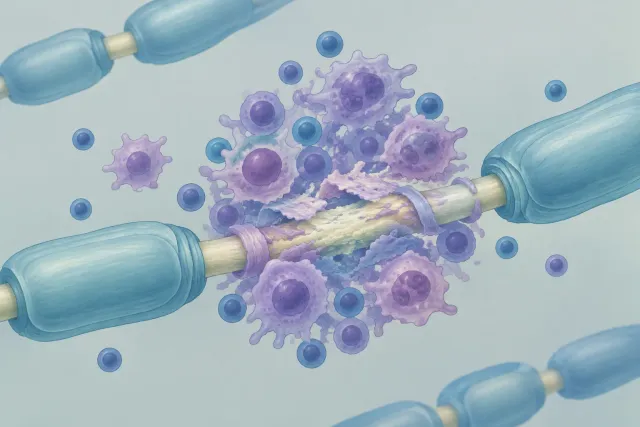
Aging cells clustered in active lesions in progressive MS
In donated tissue from people with progressive MS, aging cells were most common in active areas of myelin damage and were linked to faster disability.

Stem cell transplant backed after relapsing MS drugs fail
Experts generally support stem cell transplants for aggressive relapsing MS after strong drugs fail. Guidance for progressive MS and an MS look-alike is less clear.

Brain scans find early energy changes in MS nerve tissue
Brain scans found changes in energy use in tissue that looked normal in MS. Changes appeared early and were greater with longer disease duration and disability.
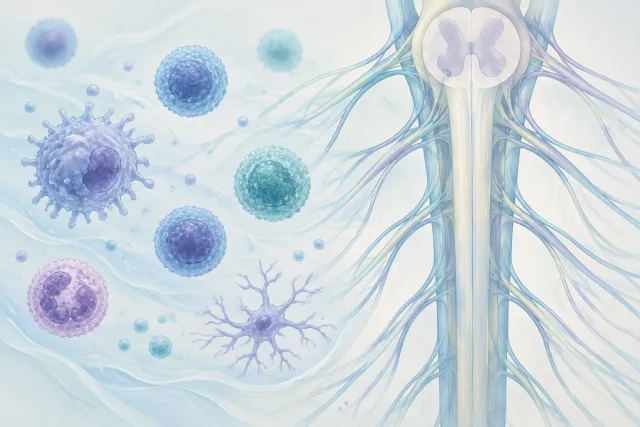
Spinal fluid cell test found patterns tied to progressive MS
A study of spinal fluid immune cells found patterns linked to progressive MS and disability. Researchers checked the patterns in a separate patient group.
MS treatment lessons may guide Parkinson drug research
Researchers discuss how lessons from MS drug development might guide Parkinson disease research. This article proposes research paths but tests no treatments.

Progressive MS gut bacteria raised disease risk in mice
A gut bacterium was more common in people with progressive MS. A distinct type made mice more likely to develop an MS-like disease, but human effects remain unclear.

New brain scans track repair and damage in MS lesions
Detailed brain scans tracked MS lesions over two years. Most stayed stable, while others showed signs of repair or damage linked with disability and MS type.

Tracking progressive MS needs more than disability scores
This review explains why disability scores alone miss parts of progressive MS and how scans, blood tests, patient reports, and wearables may add detail.

MS disability may worsen without relapses from early on
A review describes rising MS rates, a shift toward older ages, and evidence that disability can worsen without relapses, even early in the disease.

Brain damage tied to thinking differs by sex in MS
A brain scan study found similar rates of thinking problems in men and women with MS, but differences in how brain damage related to their thinking test scores.

MS drugs that calm immune cells show early trial benefits
A review finds encouraging early trial results for MS drugs that reduce immune cell activity. Their long-term effects and use after other treatments remain unclear.

Stem cells linked to less brain loss in progressive MS
An article on an early stem cell transplant trial in MS reports less loss of gray matter, a type of brain tissue. The abstract gives few trial details.
MS research roundups by month · All MS research news
Check out the MS Buddy app
Track symptoms, monitor wellness, and stay on top of your MS care. It’s free, with no ads. Built by people living with MS.

