MS Research News
New MS studies, summarized simply by AI. Not medical advice, and not reviewed by a clinician — just a plain-language look at what’s being published.
- 535 studies
- From PubMed
- Plain language
The latest studies

Virus draws more immune cells to brains in MS mice
After a lasting virus infection, more immune cells that recognized the virus built up in the brain and spinal cord of mice with poorer virus control.
Engineered immune cells changed spinal fluid in MS
Engineered immune cells changed immune activity in spinal fluid in five people with MS, but effects on symptoms and disease worsening remain untested.
Inherited brain structure patterns linked to MS risk
Inherited differences in brain structure were linked to the risk of developing MS.
MS tissue and mice show damage in a brain vision hub
Donated MS brain tissue showed nerve covering loss in a vision hub, while mice showed sex differences in related immune cell activity.

MS fatigue may reflect extra effort to control movement
MS fatigue may partly reflect the extra effort needed to control movement and incomplete recovery after activity.
Brain connections helped predict brain shrinkage in MS
Brain connections helped explain where brain tissue shrank in MS and improved predictions of future shrinkage.
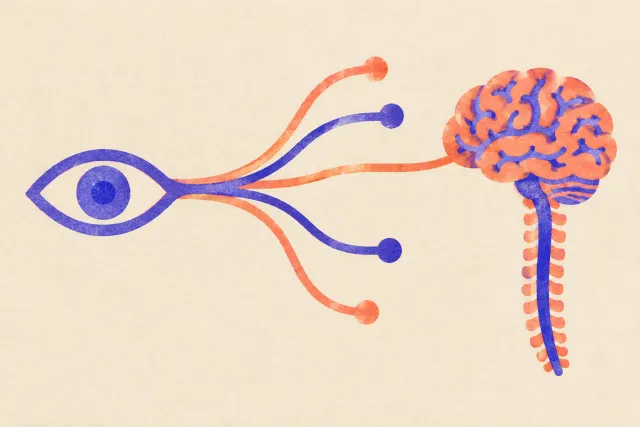
Some with first optic nerve inflammation later had MS
After a first episode of optic nerve inflammation, some people were later diagnosed with MS or another disease affecting the brain or spinal cord.
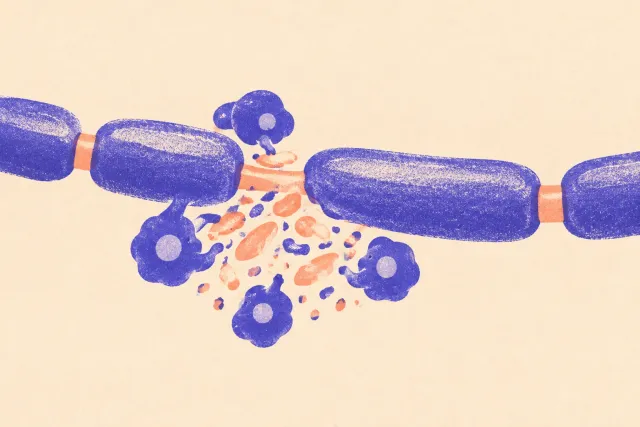
Could Helping Brain Cleanup Cells Protect Myelin in MS?
In mice with long-lasting damage to myelin, the protective coating around nerves, helping brain cleanup cells handle waste reduced myelin damage and improved movement.

MS Brain Changes: What the Fluid Barrier May Reveal
In MS, changes to the cells lining the brain’s fluid spaces may be linked to nearby brain damage, but this early finding does not yet change treatment.

New Lab Model May Help Find Ways to Repair MS Myelin
Scientists built a human cell model that shows how damaged nerve coating can regrow, giving researchers a new way to study repair in MS.

In MS donor eyes, a cell defense tracked less damage
In donated eyes from people with MS, nerve cells with more of a protective substance were better able to resist damage.

Review links lasting inflammation to MS nerve damage
This review proposes that lasting inflammation in MS may fuel repeated cycles of nerve cell damage.
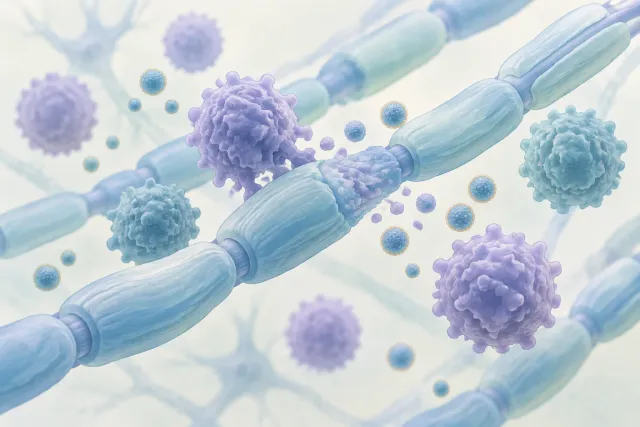
In MS-like mice, steroid particles delayed paralysis
In mice with an MS-like disease, steroid-coated particles carrying treatment instructions delayed paralysis and lowered signs of inflammation.
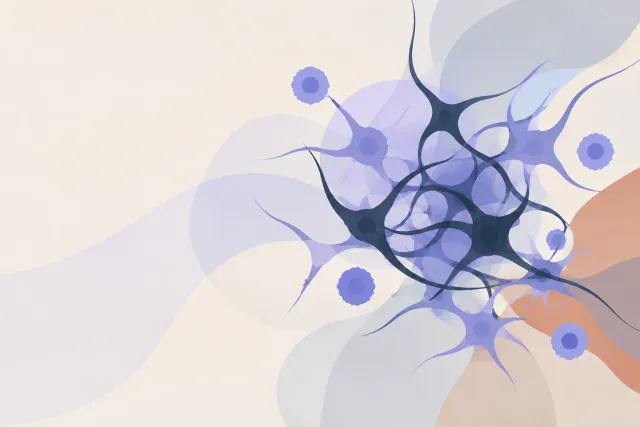
In MS-like mice, brain support cells fueled immune attacks
In mice with an MS-like disease, brain support cells helped drive immune attacks.

MS treatment gains favor relapsing over progressive forms
Treatments have improved outcomes for relapsing MS, but options for progressive MS remain limited.
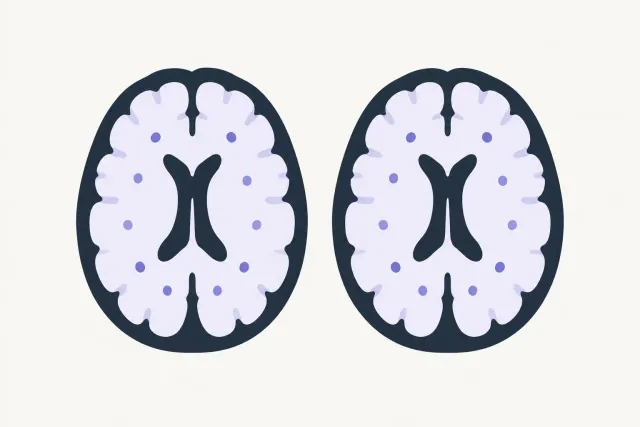
Rituximab and Ocrevus had similar MS brain scan results
Rituximab and Ocrevus had similar brain scan results in adults with newly diagnosed relapsing MS.

Review examines brain cells linked to MS progression
This review describes how cells in the brain and spinal cord may contribute to MS worsening despite treatments that target immune cells elsewhere.

In mice, low arginine worsened brain inflammation, not MS
In mice with brain inflammation, too little arginine in the diet worsened disease, while blocking its breakdown in certain immune cells improved it.

In mice, reducing harmful molecules eased MS-like disease
In mice with an MS-like disease, reducing harmful molecules in invading immune cells eased disease severity.
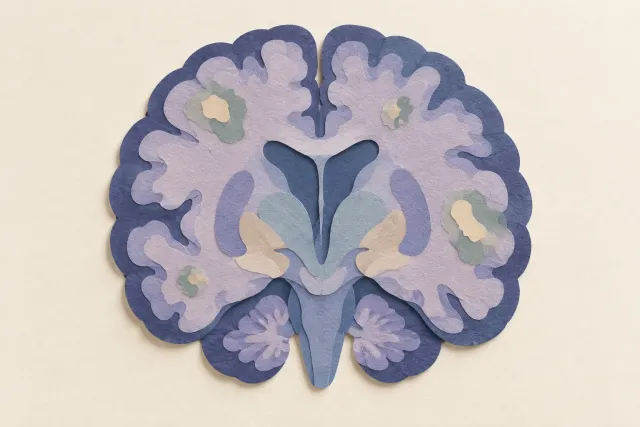
New brain scan method maps MS lesions and brain tissue
A new brain scan method measured several features at once and helped describe MS lesions.
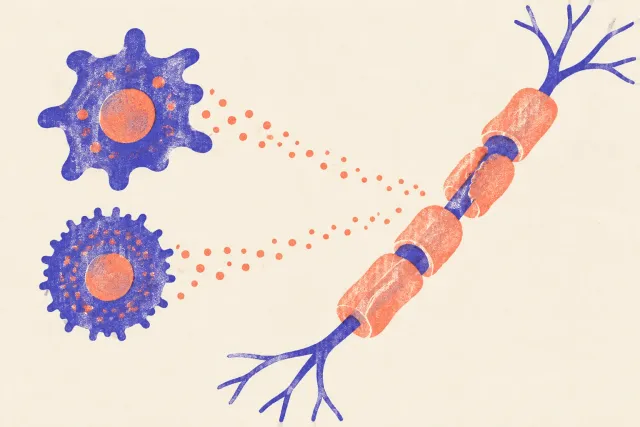
In mice, immune signals were needed for MS-like disease
In mice, immune signals from certain immune cells were needed to trigger an MS-like disease.
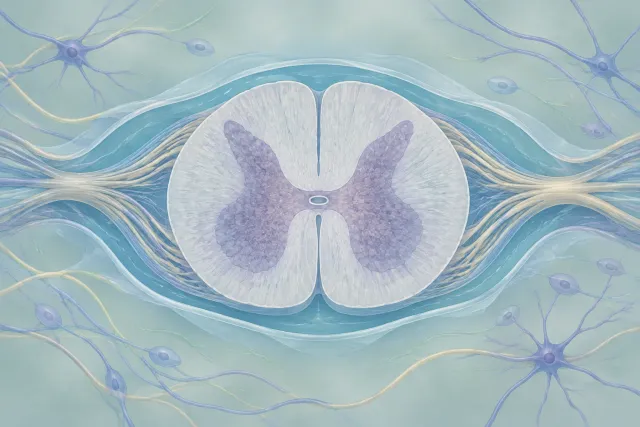
Spinal fluid test distinguished MS from similar diseases
A new spinal fluid test distinguished MS from related inflammatory diseases, including challenging cases.
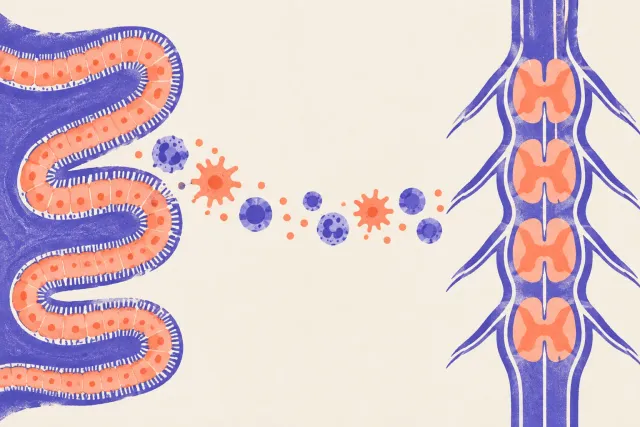
In mice, gut cells helped start an MS-like disease
In mice, cells lining the gut helped start an MS-like disease by activating immune cells that later reached the spinal cord.
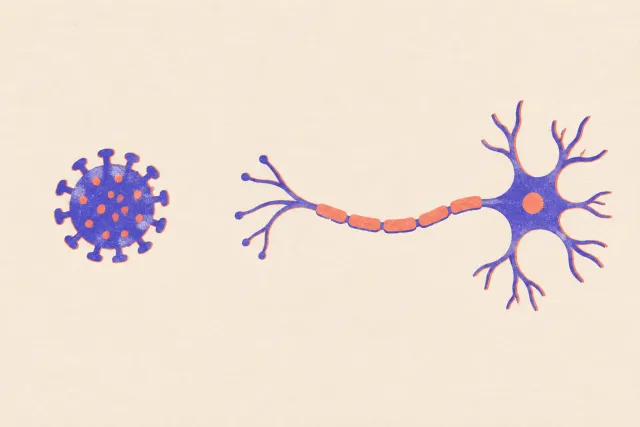
Higher Epstein-Barr virus levels were not tied to MS
Higher levels of the Epstein-Barr virus were not linked to a higher MS risk in this study's genetic analysis.
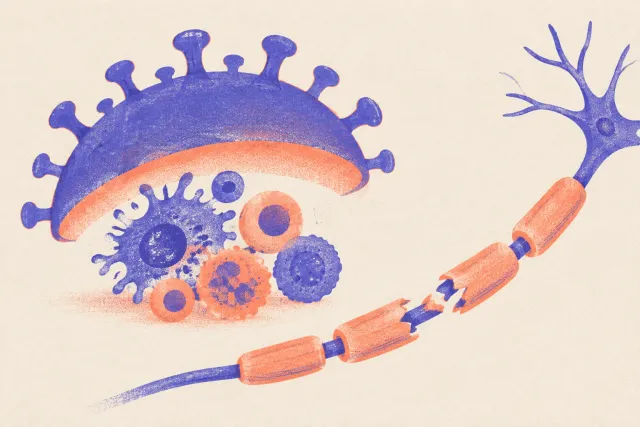
Epstein-Barr virus may help immune cells survive in MS
Epstein-Barr virus helps immune cells survive in the brain and spinal cord, linking infection to nerve covering damage in MS.
MS linked to genes tied to more Epstein-Barr virus
People with MS carried more inherited gene patterns linked to higher levels of Epstein-Barr virus in blood cells.

Blocking cell death reduced nerve cell loss in MS-like mice
In mice with an MS-like disease, blocking a step in cell death reduced nerve cell loss and disease severity.
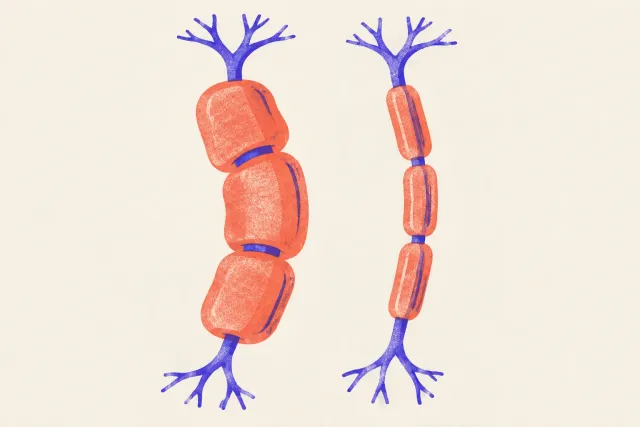
In mice, less nerve activity reduced MS-like damage
In zebrafish and mice, lowering nerve activity reduced swelling in the covering around nerves during early damage.
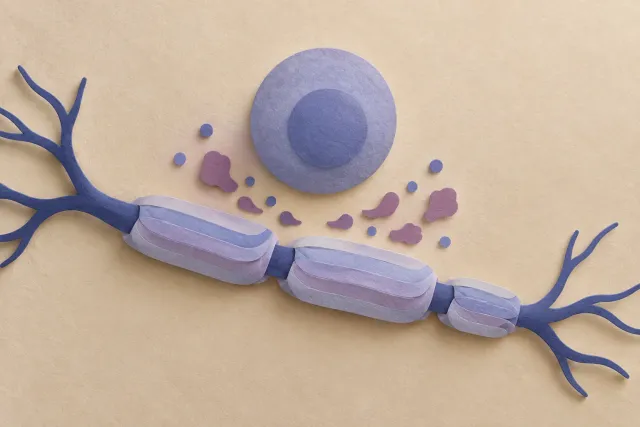
Pregnancy-linked signal eased MS-like disease in mice
A signal that rises during pregnancy was linked to fewer MS relapses and reduced MS-like inflammation in mice.
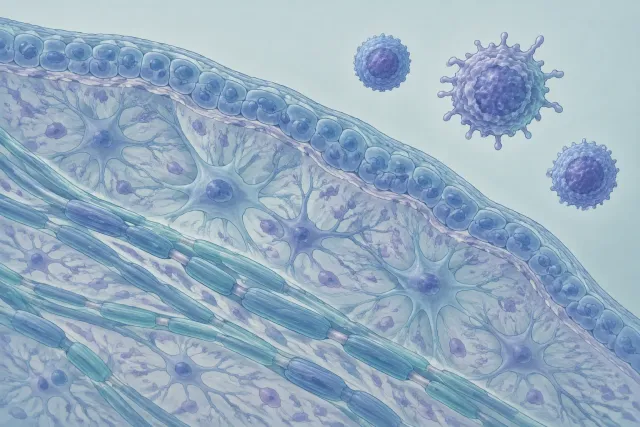
In mice, drugs prevented MS-like brain surface damage
In mice with an MS-like disease, experimental drugs prevented immune cell clusters and damage to the brain's outer layer.

New lab method maps immune cells in mice with MS-like disease
A new method helped researchers identify signals that shape immune cells in mice with an MS-like disease.

New lab method tracks immune changes in MS-like mice
In mice with an MS-like disease, cells that make myelin showed immune changes early that lasted into later stages.
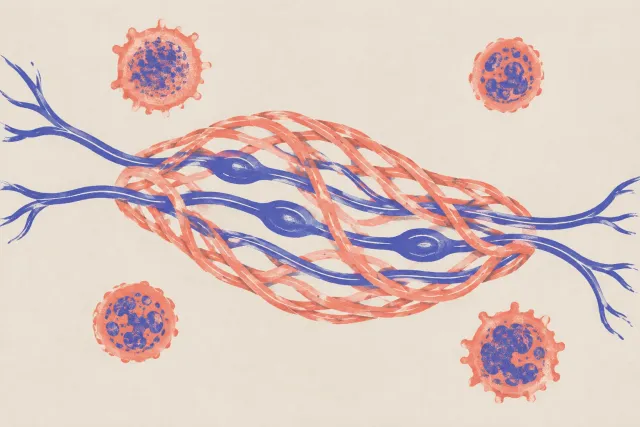
In mice, an experimental drug reduced MS-like nerve damage
In mice with MS-like disease, an experimental drug reduced immune attacks and damage to nerve fibers.
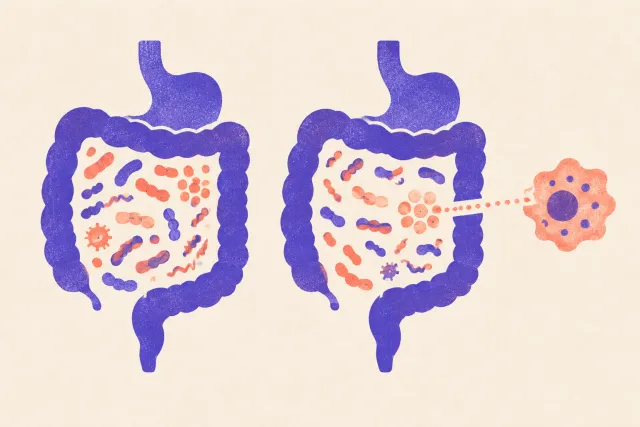
Gut bacteria linked to MS-like immune disease in mice
A twin study linked certain gut bacteria to MS-like immune disease in mice given human gut microbes.

Rare disease genes found in some people diagnosed with MS
Some people diagnosed with MS carried rare gene changes linked to diseases that can look like MS.
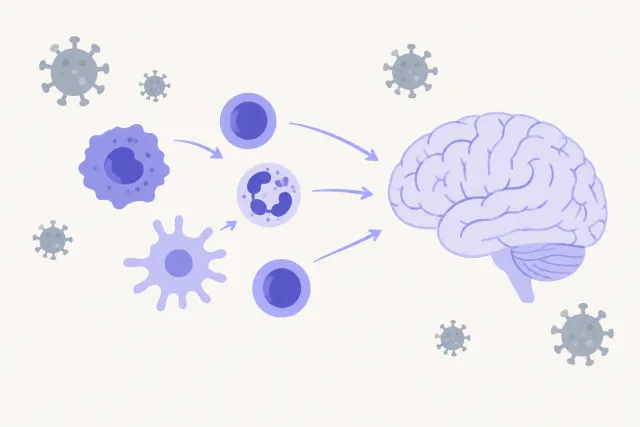
In mice, an MS-linked virus drew immune cells into the brain
In mice with human immune cells, an MS-linked virus drew immune cells into the brain.

Gene removal in immune cells eased MS-like disease in mice
Removing a gene from immune cells protected mice from an MS-like disease and inflammatory bowel disease.
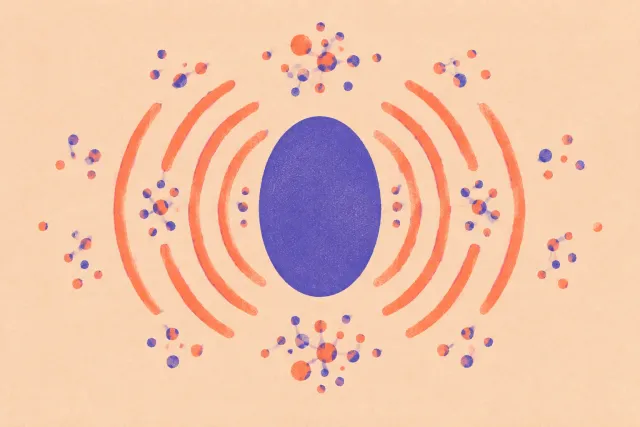
In mice, cell clusters kept MS-like inflammation going
In mice, clusters of immune cells around the brain helped keep MS-like inflammation going.

Review examines vaccines against a virus linked to MS
A review found that treatments targeting a virus linked to MS are being developed, but their benefit for MS remains uncertain.

Tolebrutinib slowed disability in secondary progressive MS
Tolebrutinib lowered the risk of worsening disability in people with secondary progressive MS who were not having relapses.
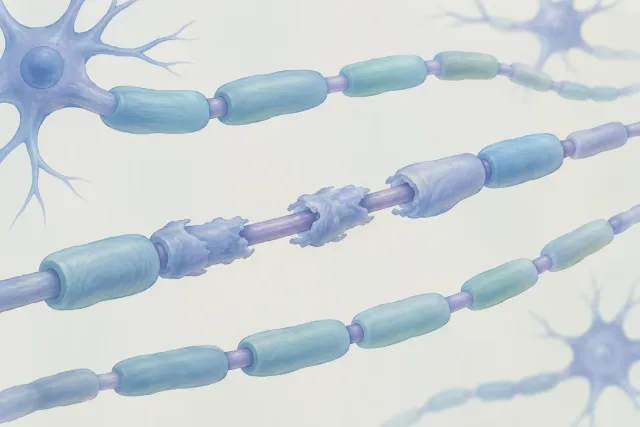
Tolebrutinib did not cut MS relapses more than Aubagio
In two trials of relapsing MS, tolebrutinib did not reduce flare-ups more than Aubagio.
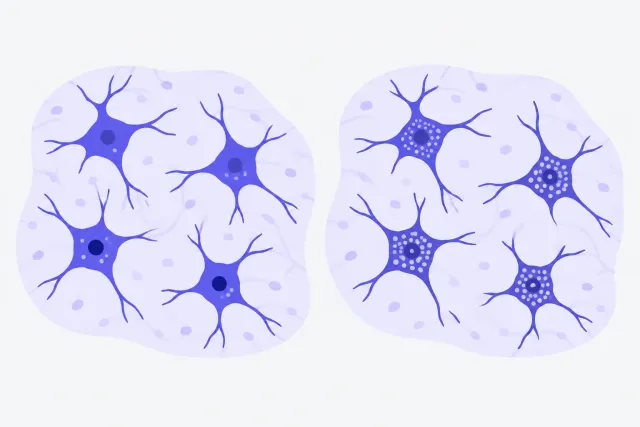
Donated MS brains show more DNA changes in lesion cells
Nerve cells in long-standing MS lesions had more DNA changes than cells from other donated brain tissue.
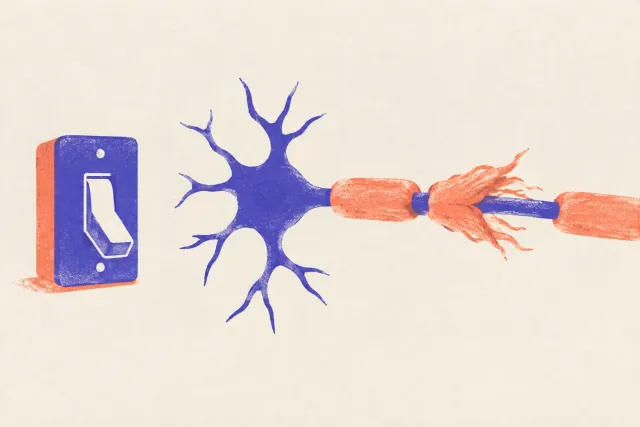
Turning off a gene worsened MS-like disease in mice
Turning off a gene in certain brain cells made an MS-like disease worse in mice.
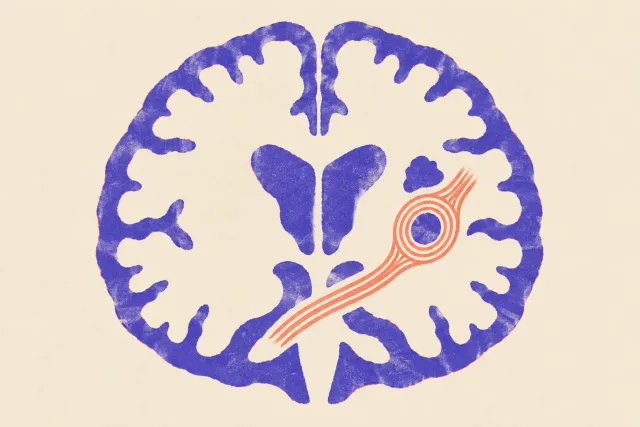
Brain scans map early MS-like lesion growth in marmosets
In marmosets with an MS-like disease, brain scans detected changes before damage to nerve coverings appeared.

Neck lymph nodes in MS showed more Epstein-Barr virus
People with newly diagnosed, untreated MS had more Epstein-Barr virus in neck lymph nodes and saliva than people without MS.
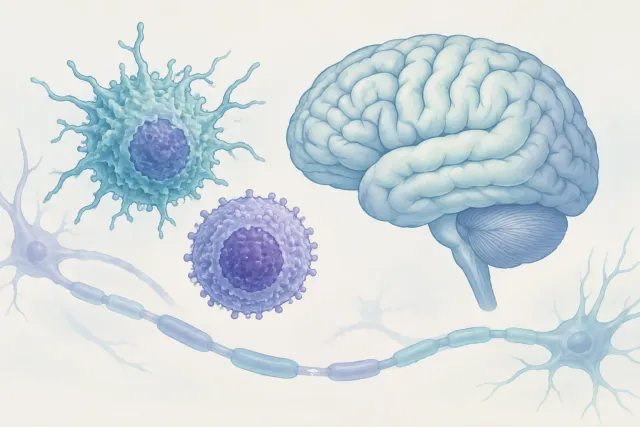
Brain gene study links MS to two types of immune cells
A study of genetic and brain data linked MS to two kinds of immune cells.

MS included in blood virus study; links found elsewhere
A study that included people with MS found links between blood viruses and other diseases, but reported no MS-specific findings.
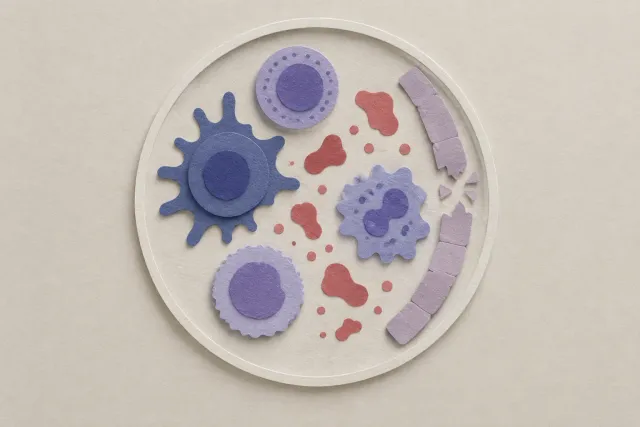
Immune Cells Gained Inflammation Potential; MS Not Studied
Removing a natural brake from immune cells made them more likely to drive inflammation in lab tests, but the study did not examine MS.

In MS lab cells, simvastatin reduced nerve cell harm
In a lab study, simvastatin changed cells made from people with progressive MS so they caused less harm to nerve cells.
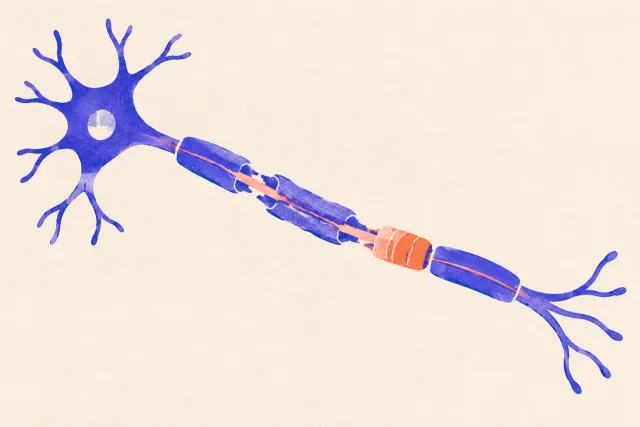
In older mice, a supplement improved MS-like myelin repair
In older mice, a supplement improved repair of damaged nerve covering and thinking skills.
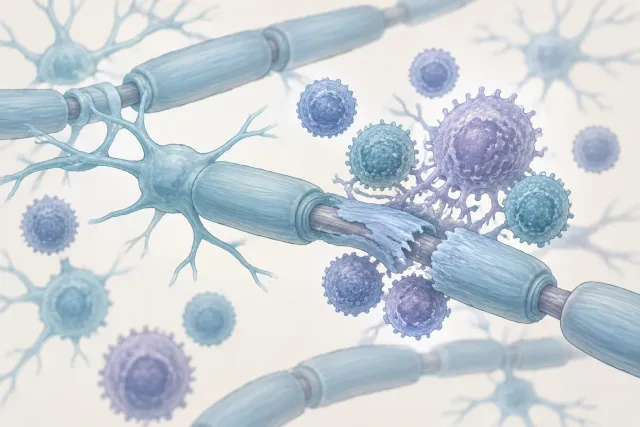
MS and related diseases: Immune drugs show mixed results
Treatments aimed at immune signals showed mixed and sometimes unexpected results in people with MS and related diseases.

In MS-like mice, blocking vessel growth did not help
Blocking a signal that grows new blood vessels reduced vessel growth in mice with an MS-like disease, but did not improve the disease.
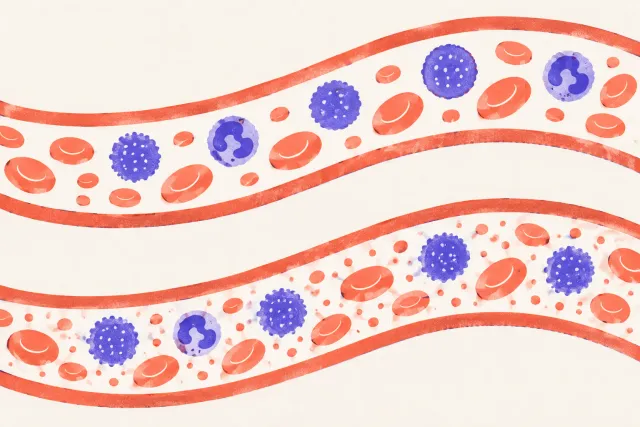
Blood immune cells show early changes linked to MS
Blood immune cells showed changes linked to MS, including in twins with early signs of brain inflammation.
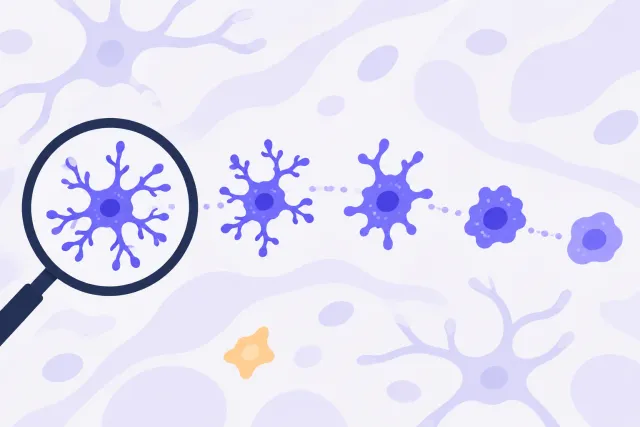
Lab tool tracks brain cells during repair linked to MS
A new lab tool tracked brain immune cells and showed that their behavior can change during development and disease.

Immune testing found a pattern before MS symptoms began
Researchers found an immune pattern that appeared before the first signs of MS.
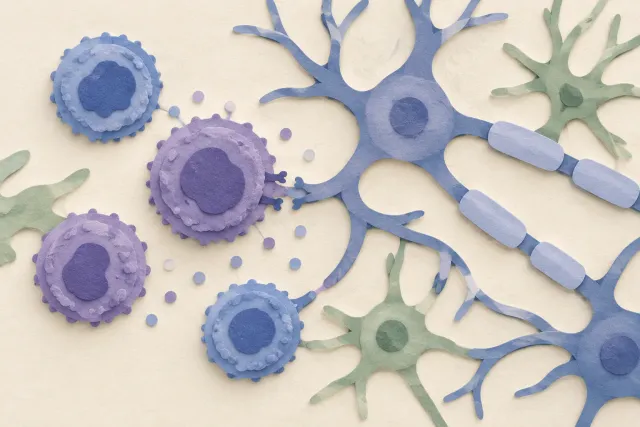
Review covers MS treatments and new research methods
This review describes how immune cells and nervous system cells interact in MS, and how researchers are studying those interactions.
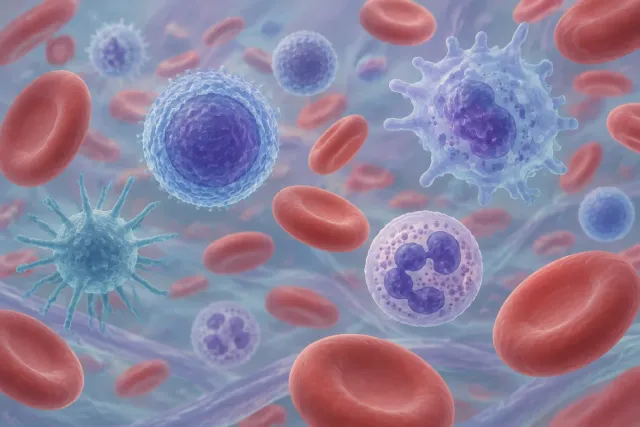
After MS relapses, cells fighting Epstein-Barr rose
After MS relapses, blood cells that fight the Epstein-Barr virus increased, alongside cells that fight other viruses.

Ocrevus cut disability worsening in high-risk relapsing MS
In a high-risk group with relapsing MS, Ocrevus lowered the risk of disability worsening compared with interferon beta.
Epstein-Barr virus's role in MS damage remains unclear
A review found that Epstein-Barr virus may shape immune activity in MS, but whether it drives nerve damage remains unclear.
MS shares changes in how the body uses tryptophan
The review found evidence that changes in how the body processes tryptophan (a building block of proteins) are common across several diseases, including MS.
New method identifies immune cells in an MS model study
Researchers identified shared patterns of gene activity that distinguish immune cells involved in autoimmune disease, including in an MS disease model.
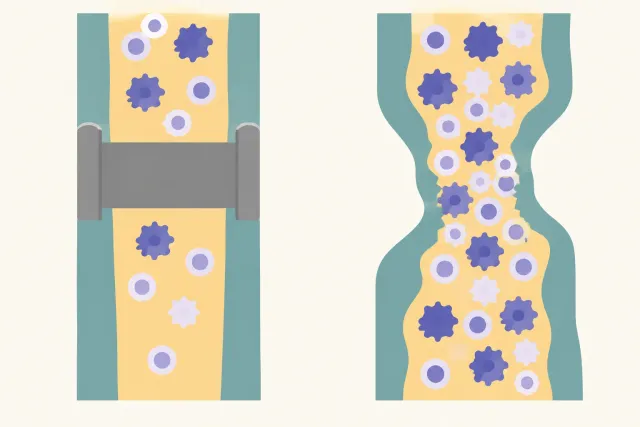
Removing an immune brake worsened MS-like disease in mice
Removing a protein that restrains immune cells worsened disease in mice with an MS-like illness.

Childhood MS in wider study of rising rare diseases
The worldwide burden of rare childhood neurological diseases increased, but the study did not report separate trends for childhood MS.

MS drugs cut relapses but did not change relapse recovery
MS treatments reduced relapses but did not change their severity or recovery time once they occurred.

MS fatigue questionnaires can give different results
Six fatigue questionnaires gave similar results across groups with MS, but different scores for some individuals.

Stem cell transplants curb disease activity in active MS
Stem cell transplants can provide lasting control of disease activity in selected people with active relapsing MS.

Home exercise matched facility exercise for MS walking
Home-based exercise may improve walking as much as facility-based exercise in people with MS and walking difficulties.
MS stem cell transplants mostly done without admission
A review of one MS stem cell transplant program found most procedures avoided hospital admission, but treatment benefits need independent, controlled research.
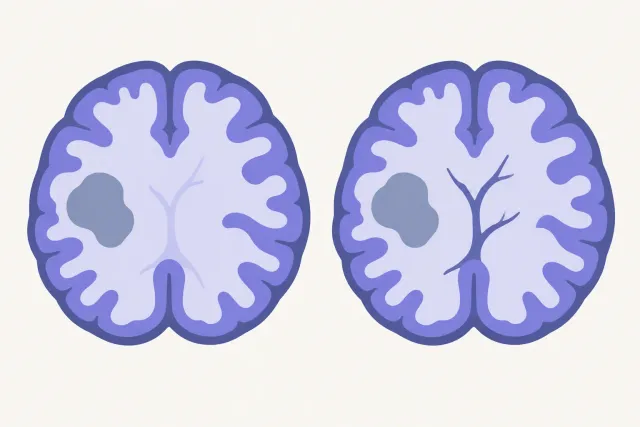
Adjusted MRI spots more veins inside MS brain lesions
An adjusted MRI (a scan that creates detailed pictures) detected more veins inside MS brain lesions (damaged areas) than the standard scan.
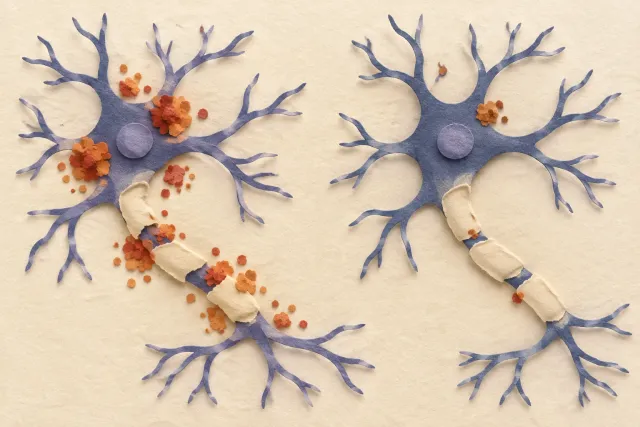
Experimental drug eased MS-like disease signs in mice
An experimental drug reduced nerve-related problems and inflammation in mice with an MS-like disease.
Computer studies show MS fatigue surveys differ by person
Computer simulations found that MS fatigue surveys gave similar group averages but differed in individual scores and their ability to detect change.

When older adults with MS should stop drugs remains unclear
Israeli MS specialists agreed that older adults need treatment decisions based on more than age, but they remained unsure when treatment should stop.
Virus blood tests showed past exposure in Brazilian MS
Blood tests often found signs of past viral exposure in people with MS at a Brazilian center.
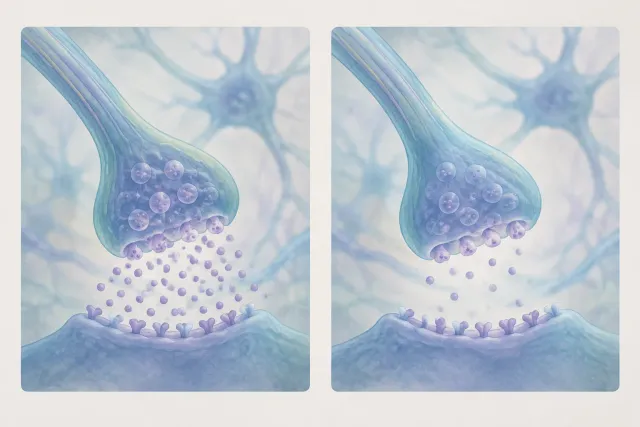
Lab drug cut chemical release in MS-like mouse tissue
In spinal cord tissue from mice with an MS-like disease, a lab drug reduced excess chemical release from nerve endings.
In Kuwait, MS linked to more salt and less exercise
In Kuwait, people with MS reported more salt intake and less regular light exercise than people without MS.

Review explores how immune genes may shape MS damage
This review proposes a way to study how immune genes may shape tissue damage in MS.

Some with early relapsing MS felt unsure about treatment
About one in four people with early relapsing MS felt uncertain about their treatment decision.
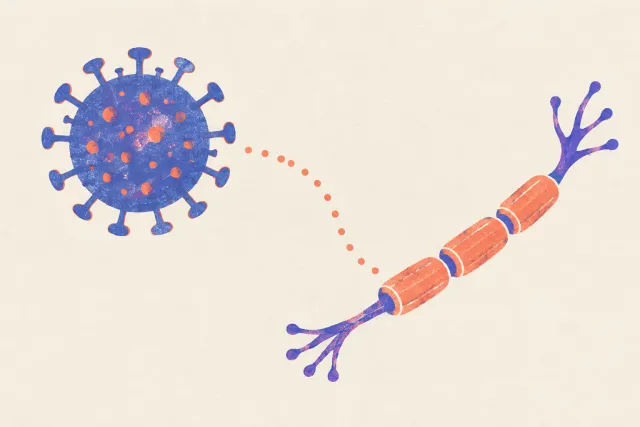
Review proposes how Epstein-Barr virus may drive MS
A review proposes a possible way the Epstein-Barr virus may contribute to MS, but the idea remains untested.

MS risk review compares childhood and adult-onset MS
This review found shared and age-specific factors linked to MS starting in childhood or adulthood.
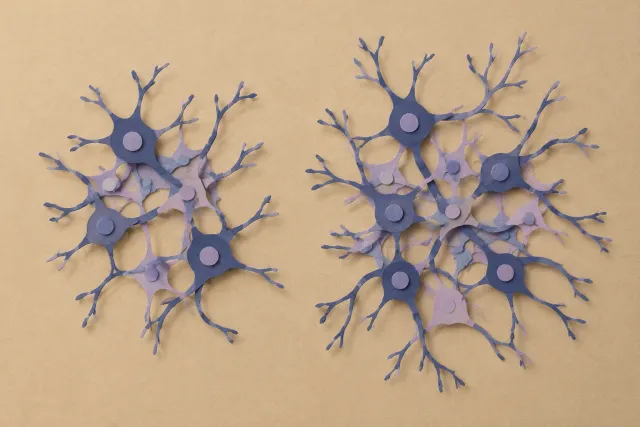
New spinal cord cell model mirrors changes seen in MS
A new lab model of spinal cord cells showed changes like those seen in tissue from people with MS.

Could a Gut-Made Substance Help Reduce MS Activity?
In children with newly diagnosed MS, higher levels of propionate—a substance made by gut bacteria—were linked to less MS disease activity.
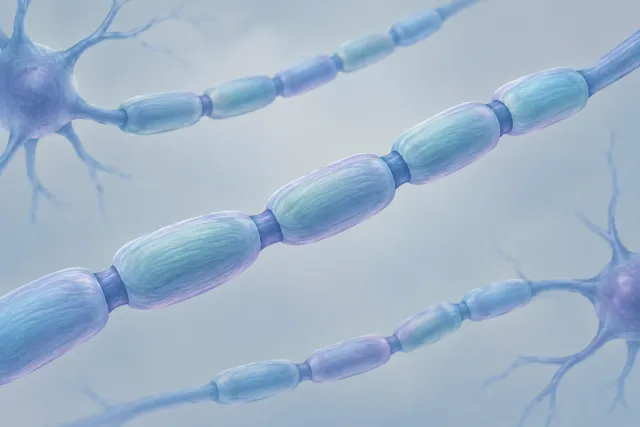
Nurse-led support helped other illnesses, not yet MS
Nurse-led support reduced distress and improved coping in people with other long-term illnesses, but its benefits for people with MS remain unclear.

Most Australians who rated MS nurse care found it helpful
Most Australians with MS who rated specialist nurse care found it helpful, and survey responses suggest it may reduce the need for other medical visits.

New MS Research Points to Nerve Repair and Better Movement
In mice with an MS-like illness, an experimental compound improved movement and helped repair damaged nerves, but it has not been shown to work in people.
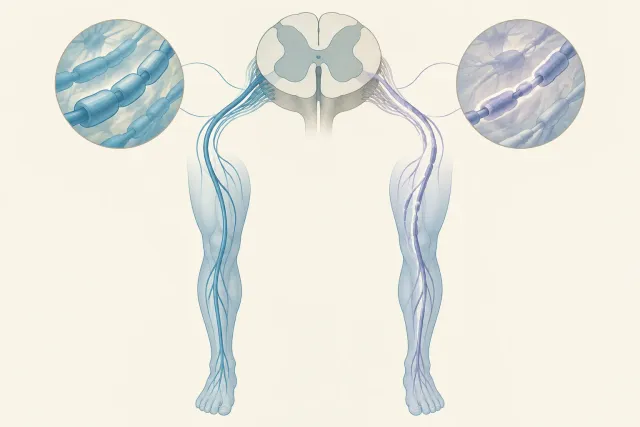
Could Your MS-Like Leg Symptoms Have Another Cause?
A rare inherited condition can look like MS, so people with unexplained stiff legs and unusual scan results may benefit from asking whether genetic testing is appropriate.
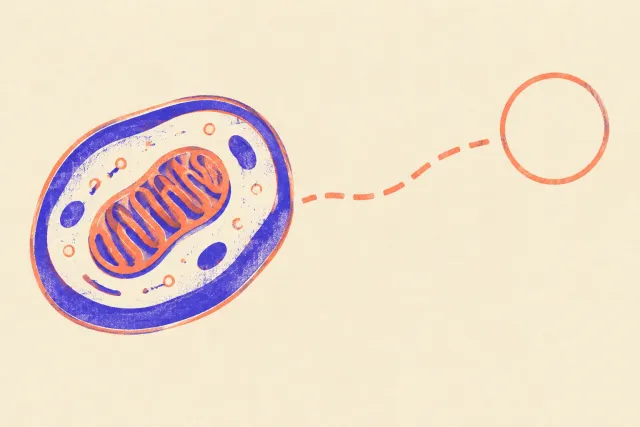
Could Cell Energy Clues Help Improve MS Care One Day?
Clues about how cells make energy may one day help doctors track MS, but these tests are not ready for routine care.

MS Genes: What They Reveal About Risk and Treatment
MS genes help explain who may develop the disease and why treatments that calm the immune system can help, but they cannot yet predict what will happen to one person.

MS Treatment and Gut Health: What New Research Found
In a Swedish study, people with MS taking rituximab were more likely to develop inflammatory bowel disease than those taking three other MS treatments, though the overall risk was low.
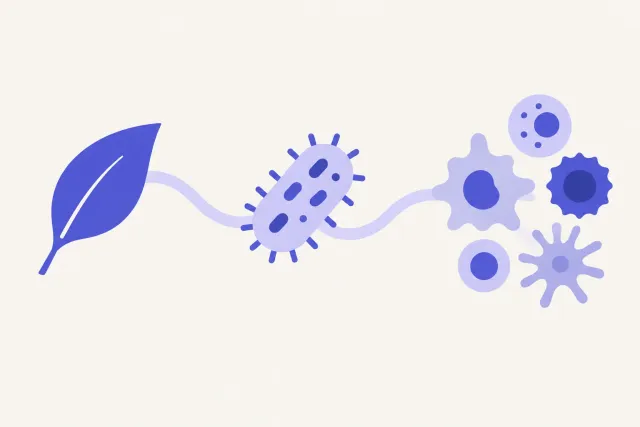
Could Gut Bacteria Help Guide Future MS Treatments?
In mice with an MS-like illness, a plant compound eased symptoms partly by helping a gut bacterium make a substance that calmed harmful immune activity.

Can AI Help Make MS Diagnosis and Care More Personal?
AI may help doctors make sense of MS scans and health records, but it has not yet been proven to improve patient care.
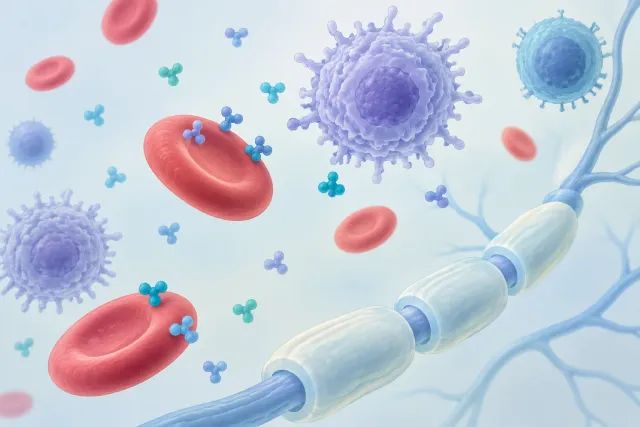
Could Red Blood Cells Help Calm MS Immune Attacks?
In a mouse study, red blood cells carrying disease-related pieces helped calm MS-like immune attacks, but this approach is not yet a proven treatment for people with MS.
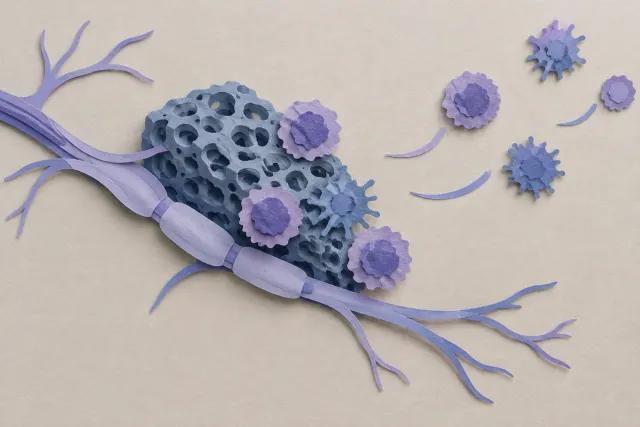
A New Immune Approach May Ease MS-Like Disease in Mice
In mice with advanced MS-like disease, a 3D-printed implant helped calm the immune attack on nerve tissue, but it has not been tested in people.
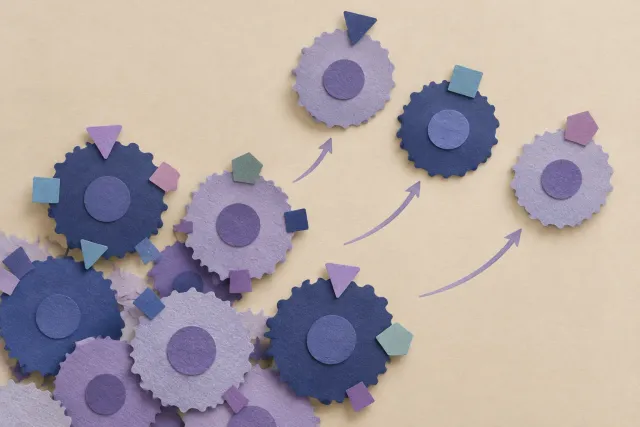
MS Study Finds Hidden Immune Cells That Treatment Targets
A study found that some immune cells in MS swap identifying tags, and an MS treatment removed these cells in the study.

What Immune Clues May Reveal About MS Risk in Children
In this study, children with MS were more likely to have immune proteins that target the brain and spinal cord, suggesting that trouble controlling these attacks may play a role in MS risk.
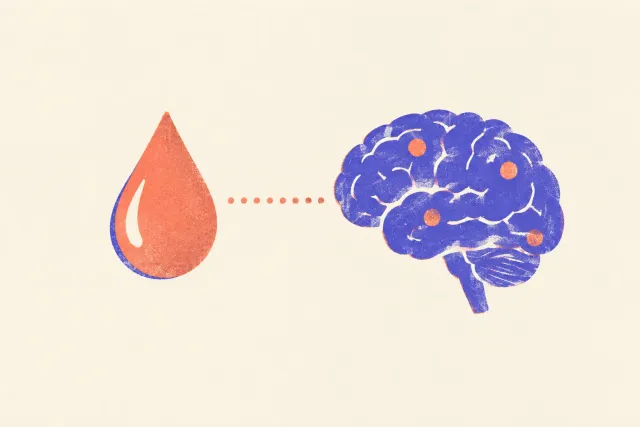
Could a Blood Test Reveal Hidden MS Brain Activity?
A blood substance called CHIT1 was linked to ongoing activity around some MS brain spots, but the test is not ready to guide care.

Starting MS Treatment Early May Help Protect Mobility
In a 10-year study, people who started ocrelizumab earlier were less likely to have lasting disability than those who started it two years later.

A New Clue to MS Inflammation and Future Treatments
Researchers found that a body chemical linked to MS inflammation made disease worse in mice, while blocking its production eased their symptoms.

How MRI Scans Help Tell MS From Similar Conditions
Expert guidance says MRI scans can help doctors tell MS from two similar conditions and make better decisions about new symptoms and care.
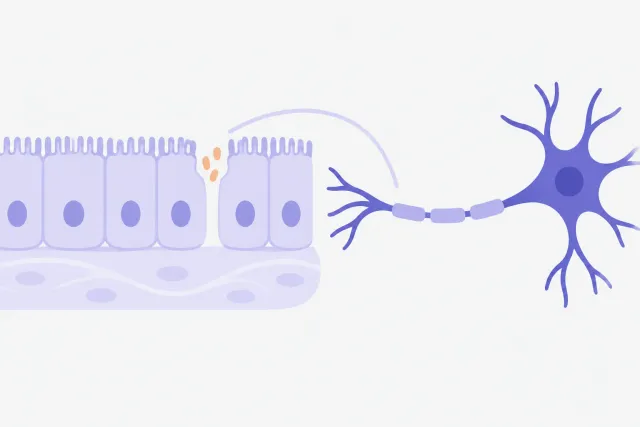
Review explores how gut wall changes may relate to MS
This review proposes that changes in the gut wall may play a role in MS and other diseases involving attacks on the nervous system.

Genetic ancestry was not tied to worse MS disability
In this UK study, African and South Asian genetic ancestry were not consistently linked to worse MS disability than European ancestry.

Check out the MS Buddy app
It’s free, with no ads. Built by people living with MS.


More on MS Buddy
 MS clinical trialsTrials recruiting now, by state, phase or treatment.
 Browse MS centers by stateThe full directory, with a page for each state and city.
 MS terms explainedThe words you hear at appointments, in plain language.
 Questions for your doctorMore than 200, grouped by what is going on with you.