Childhood-Onset MS Research
Updated
Between 2 and 5 in every 100 people with MS first have symptoms before the age of 18. Almost all children with MS, around 98 in every 100, have the relapsing-remitting type. Children usually make a complete recovery after their first attack, but often have more relapses than adults. Below is the latest research on MS in children and teenagers, explained in plain language.
Latest studies
Childhood MS blood patterns linked to Epstein-Barr virus
Researchers compared blood from people with childhood-onset MS and healthy volunteers. They found DNA patterns linked to immune activity and Epstein-Barr virus.
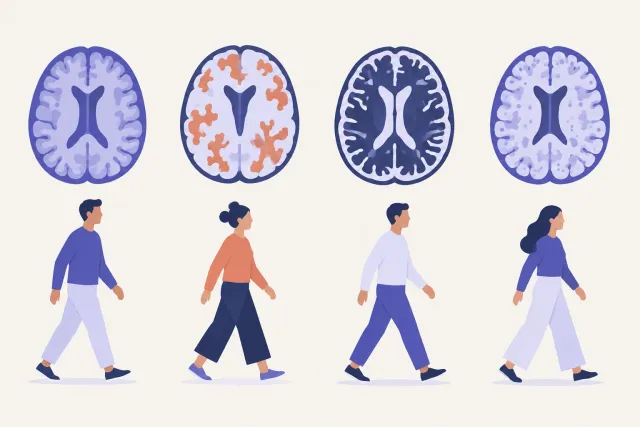
Brain scans found MS groups with different disability
Brain scans identified four MS groups. Disability and worsening without a relapse differed between groups, but thinking test results did not differ across them.
Children with MS had fewer relapses on pills or infusions
In a study of 212 children with MS or a first MS-like attack, those switching from shots to pills or infusions had fewer relapses than those switching shots.

Brain scans show early differences in children with MS
Brain scans of children with MS showed early changes near the brain’s fluid spaces. These changes were linked to brain damage, but not to disability in children.
When to lower or stop MS treatment remains uncertain
A workshop review examined when people with MS might lower or stop treatment. It discusses aging, pregnancy, childhood-onset MS, and gaps in the evidence.
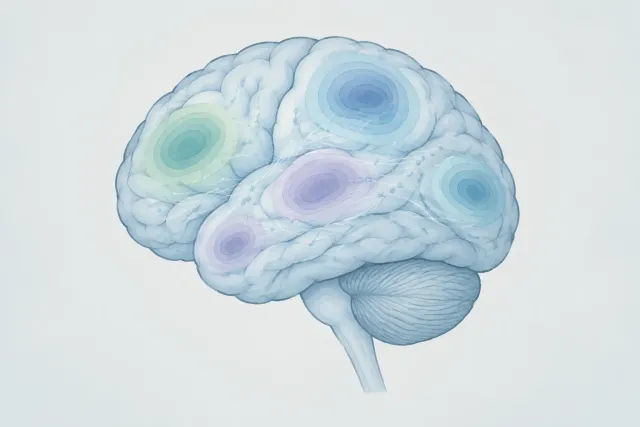
Slow-growing brain spots distinguish childhood MS
Repeat scans of 33 children found slowly growing spots in 16 with childhood MS, but just one spot in a group with a condition often mistaken for MS.

Review guides MS diagnosis in children and older adults
An expert review offers guidance on telling MS from other conditions in children under 18 and adults over 50. It identifies warning signs of a different diagnosis.
MS research roundups by month · All MS research news
Check out the MS Buddy app
Track symptoms, monitor wellness, and stay on top of your MS care. It’s free, with no ads. Built by people living with MS.