MS Research Roundup: January 2026
The multiple sclerosis research published in January 2026, explained in plain language. Studies are listed by how much they matter to people living with MS, most first.
The month at a glance
- 16 studies published this month.
- Newest study published January 30, 2026.
- 5 in people, 9 in the lab or in animals, 1 review of earlier research.
- Largest study: 1,166,731 people.
- Research from 53 institutions in 12 countries, including Johns Hopkins University School of Medicine, University Hospital Münster and National Institutes of Health.
- Forms of MS studied: relapsing-remitting (1).
- Symptoms studied: numbness or tingling (1), pain and discomfort (1).
Studies published in January 2026

Restless legs affect many people with MS, review finds
A review reports restless legs syndrome in about 28% of people with MS. It describes sleep problems, diagnosis, and treatments, but not MS-specific treatment results.
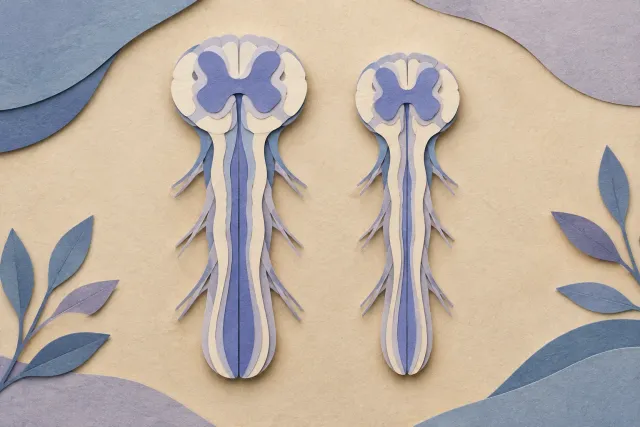
Spinal cord shrinkage helped predict MS worsening
In two groups of people with MS, spinal cord shrinkage best predicted disability and helped predict worsening without a relapse. Blood tests added information.

Can Blood Tests Track Balance Problems? What MS Needs to Know
A review finds blood markers may track nerve damage in balance disorders. Learn what that means for people with MS, and why it does not yet guide MS care.
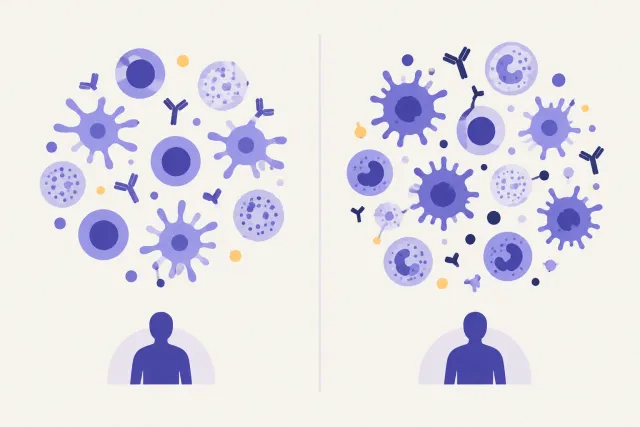
In MS, immune cell patterns differed after Mavenclad
In 22 people with relapsing MS, researchers found different immune cell patterns after cladribine treatment in those with relapses and those who stayed stable.
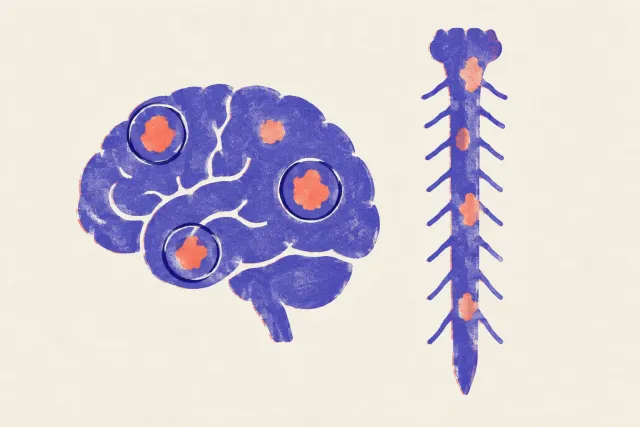
Iron rings marked MS brain damage, not spinal damage
A study of donated MS tissue found iron rings around some damaged areas in the brain, but none in the spinal cord. Location may matter when reading brain scans.

In mice with MS-like damage, bavisant helped myelin heal
Researchers screened drugs and tested bavisant in mice with MS-like damage. It helped repair nerve coverings and protect nerve cells, but was not tested in people.
Pregnancy-linked signal eased MS-like disease in mice
A signal that rises during pregnancy was linked to fewer MS relapses. In mice, treatments using this pathway reduced MS-like inflammation in early tests.

Maternal diabetes linked to MS risk in adult children
A Norwegian study linked maternal diabetes and larger birth size to higher adult MS risk. Smaller birth size was linked to lower risk, but the study cannot prove cause.
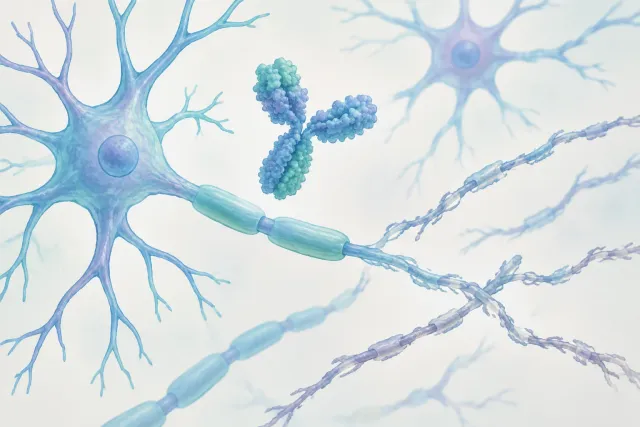
A treatment from a person with MS eased disease in mice
A treatment based on an immune protein from a person with MS eased MS-like disease in mice and was linked to better nerve cell survival. It was not tested in people.
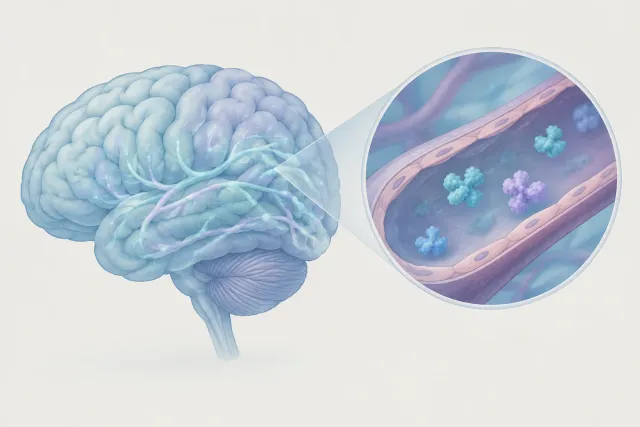
Blood protein tied to MS and dementia in older adults
Across 16 groups, researchers found lower blood levels of a brain-related protein in people with MS or dementia. The study did not test a treatment for MS.
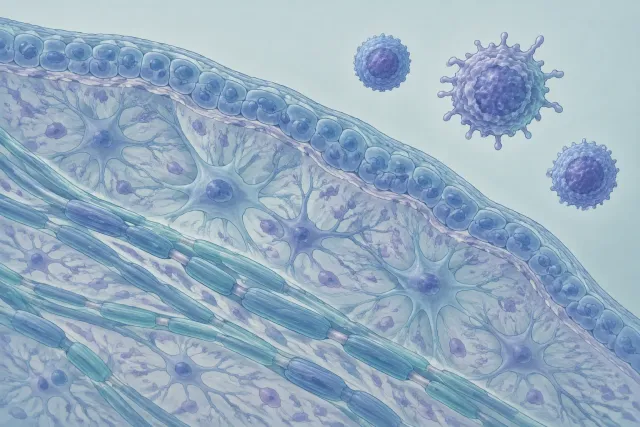
In mice, drugs prevented MS-like brain surface damage
In mice with an MS-like disease, experimental drugs prevented brain surface damage. A related immune signal measure was high in spinal fluid from people with MS.

New scan tracks immune activity in mice with MS-like disease
In mice with an MS-like disease, a new scan detected immune activity before symptoms and tracked changes after treatment. It has not been tested in people.
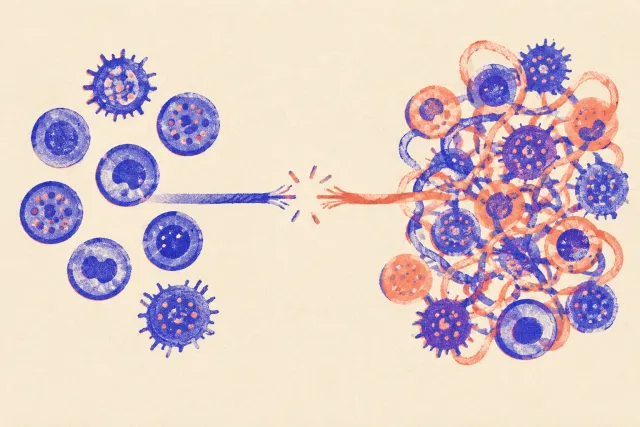
In mice, removing an immune signal worsened MS-like disease
In mice, removing an immune signal worsened an MS-like disease. Researchers also saw a related immune cell change in people with eczema and psoriasis.
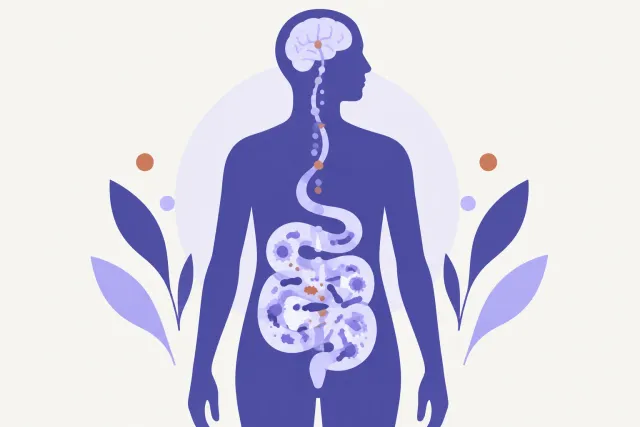
In mice, gut bacteria helped start MS-like inflammation
In rodents with an MS-like disease, gut bacteria activated immune cells. Those cells then entered the brain and spinal cord, starting inflammation early on.
MS-linked genetic change tied to smaller brains under 55
In people without MS, a genetic change linked to MS was tied to smaller brain volume before age 55. The link was not found in older participants in this study.

In mice, an MS-linked virus vaccine showed a response
Researchers made a stable protein for a possible Epstein-Barr virus vaccine. In mice and human blood tests, it showed a trend toward a better immune response.
Check out the MS Buddy app
Track symptoms, monitor wellness, and stay on top of your MS care. It’s free, with no ads. Built by people living with MS.