MS Research Roundup: July 2026
The multiple sclerosis research published in July 2026, explained in plain language. Studies are listed by how much they matter to people living with MS, most first.
The month at a glance
- 14 studies published this month.
- Newest study published July 30, 2026.
- 7 in people, 6 in the lab or in animals, 1 review of earlier research.
- Largest study: 10,232 people.
- Research from 85 institutions in 21 countries, including 19 Mayis University, Aga Khan University and the American University of Beirut Medical Center.
- Forms of MS studied: relapsing-remitting (4), primary progressive (1), secondary progressive (1).
- Symptoms studied: muscle weakness (1).
- Of the 6 studies in people that tested a treatment, 3 reported a benefit and 2 had mixed results.
Studies published in July 2026

Ocrevus: Half of Black and Hispanic adults had no MS activity
In a trial of 182 Black and Hispanic adults with relapsing MS, about half had no disease activity after 48 weeks on Ocrevus. No drug was compared.

MS drug switches after silent MRI spots: fewer relapses
In people with relapsing MS, switching drugs after silent brain scan spots was linked to fewer relapses, but disability worsening was similar over four years.

Self-run tests detected MS worsening without relapses
In a study of about 9,100 people with MS, patient reports and self-run tests identified worsening without reported relapses, but only partly matched doctor ratings.
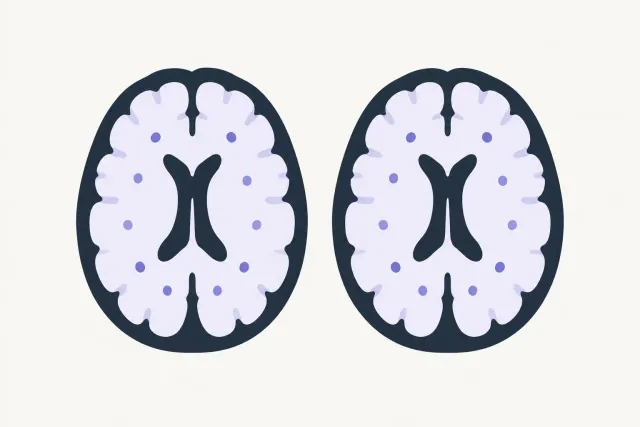
Rituximab and Ocrevus had similar MS brain scan results
In a trial of 218 adults with newly diagnosed relapsing MS, rituximab and Ocrevus had similar brain scan results. Infections were more common with rituximab.

Propionic acid lowered a blood sign of nerve damage in MS
In a 90-day trial of 101 adults with stable MS, propionic acid lowered a blood marker linked to nerve damage. Clear benefits for daily function were not shown.

MS treatment gains favor relapsing over progressive forms
This review says treatments have improved outcomes for relapsing MS, but options for progressive MS remain limited. Symptom care and lifestyle support also matter.
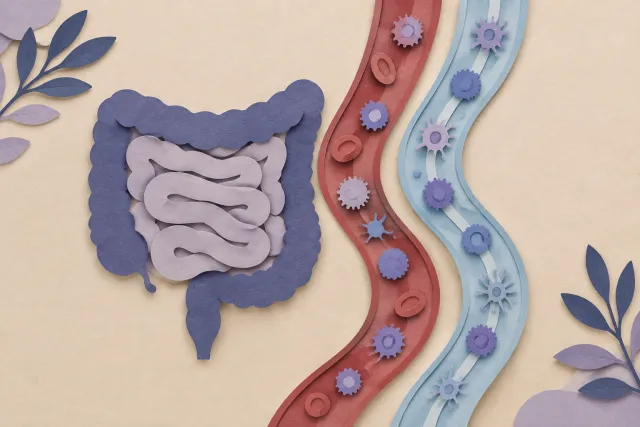
B-cell treatment linked to more gut immune cells in MS
A study linked B-cell treatment in MS to more gut-linked immune cells in blood and spinal fluid. It did not show whether these cells improved MS outcomes.

People with MS had stronger responses to Epstein-Barr virus
People with untreated MS had stronger immune responses to Epstein-Barr virus than people without MS. Those responses fell after participants started a B-cell drug.
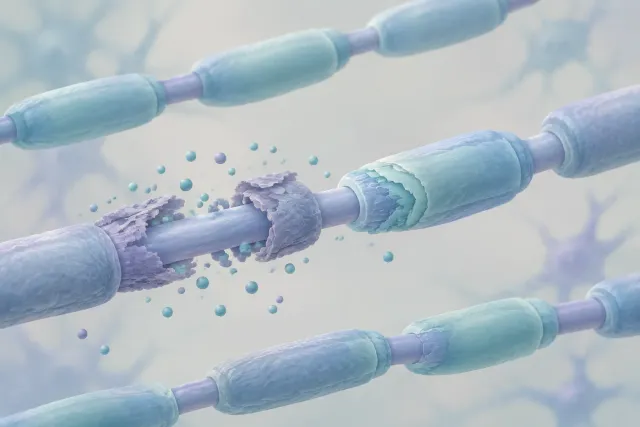
In mice, tiny particles helped repair MS-like nerve damage
In mice with MS-like spinal cord damage, tiny particles helped rebuild nerve coverings. The study identified an immune signal involved in that repair.

In mice, two immune drugs reduced MS-like symptoms
In mice with an MS-like disease, immune cells entered the brain and spinal cord more in the evening. Blocking a cell target reduced symptoms; adding a drug helped more.

In mice, a lab treatment reversed MS-like leg paralysis
In mice with an MS-like disease, an experimental treatment reversed hind leg paralysis. Mice also cleared an infection, and researchers observed no toxicity.
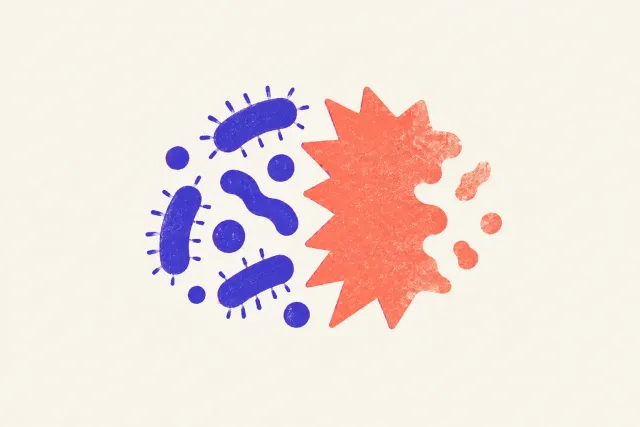
Gut bacteria reduced MS-like inflammation in mice
In mice with an MS-like disease, a gut bacterium reduced brain and spinal cord inflammation. A fat linked to the bacterium also eased disease in mice.

New lab method spots myelin changes in donated MS brains
A new lab method detected myelin changes in donated MS brain tissue compared with non-MS tissue. Researchers also kept brain slices alive for at least 8 days.
In mice, an experimental vaccine eased MS-like disease
In mice with an MS-like disease, an experimental vaccine reduced disease severity. Adding instructions for immune-calming signals improved outcomes further.
Check out the MS Buddy app
Track symptoms, monitor wellness, and stay on top of your MS care. It’s free, with no ads. Built by people living with MS.