MS Research Roundup: June 2024
The multiple sclerosis research published in June 2024, explained in plain language. Studies are listed by how much they matter to people living with MS, most first.
The month at a glance
- 8 studies published this month.
- Newest study published June 26, 2024.
- 6 in the lab or in animals, 1 review of earlier research.
- Research from 25 institutions in 5 countries, including Centre de recherche du Centre hospitalier universitaire de Québec - Université Laval, Ludwig-Maximilians-Universität München and McGill University.
Studies published in June 2024
Most MS digital health studies did not test ease of use
A review found that only about one in four studies of digital health tools for MS checked ease of use. The studies used different methods, making comparisons hard.

Immune testing found a pattern before MS symptoms began
Researchers found an immune pattern before the first signs of MS. The abstract does not say how well it predicts MS or how many people were studied.

Blocking an immune signal eased MS-like disease in mice
In mice prone to an MS-like disease, blocking an immune signal reduced disease severity and immune cell buildup. This study did not test people with MS.

In MS-like mice, removing a gene reduced nerve cell loss
Removing a gene from nerve cells reduced nerve cell loss in mice with an MS-like disease. Researchers also found a related signal was higher in samples from people with MS.
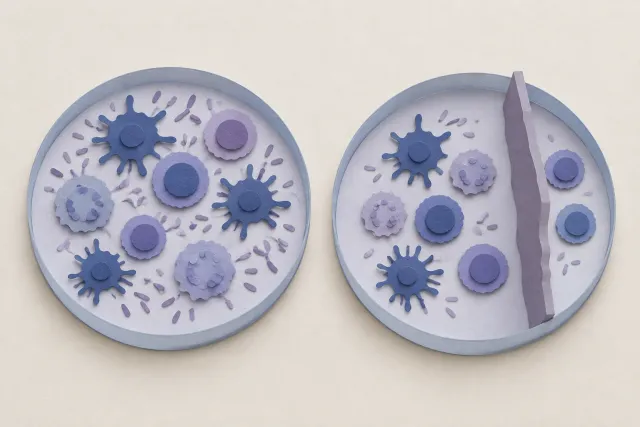
Blocking a virus lowered immune activity in MS cells
In lab-grown cells from people with MS, active disease was linked to more Epstein-Barr virus activity. Blocking virus growth reduced immune signals in the lab.
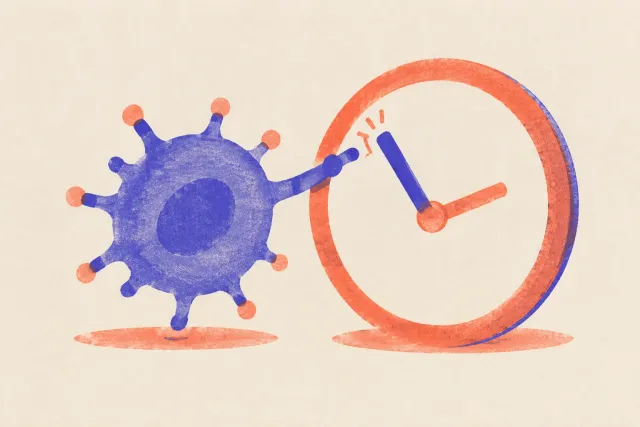
Reactivated immune cells sped up MS-like disease in animals
In animals, immune cells left by a viral infection helped against a later bacterial challenge, but their reactivation sped up the start of MS-like disease.
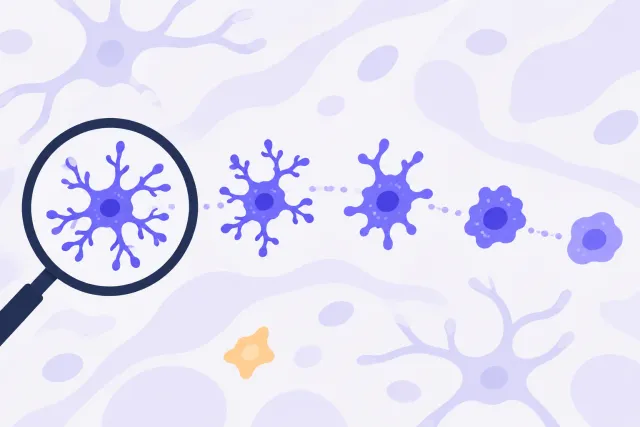
Lab tool tracks brain cells during repair linked to MS
A new lab tool followed brain immune cells as they changed over time. Removing some cells showed they play a role in recovery after nerve-covering damage.
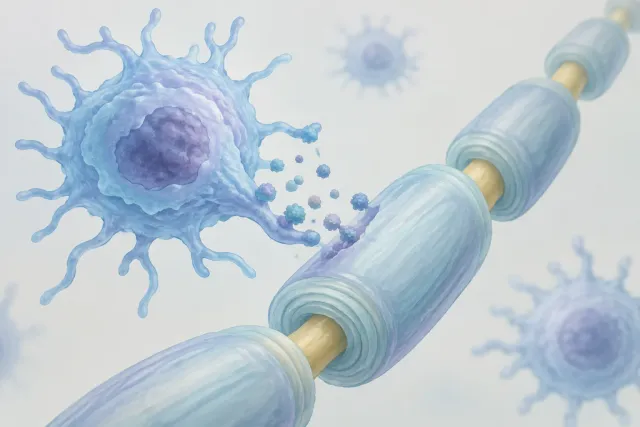
Lab-treated immune cells eased MS-like disease in mice
In lab tests, particles from amniotic fluid stem cells calmed immune cells. Transferring those treated cells reduced immune attacks and illness in MS-like mice.
Check out the MS Buddy app
Track symptoms, monitor wellness, and stay on top of your MS care. It’s free, with no ads. Built by people living with MS.

