MS Research Roundup: November 2025
The multiple sclerosis research published in November 2025, explained in plain language. Studies are listed by how much they matter to people living with MS, most first.
The month at a glance
- 18 studies published this month.
- Newest study published November 27, 2025.
- 4 in people, 10 in the lab or in animals, 4 reviews of earlier research.
- Largest study: 4,717 people.
- Research from 74 institutions in 14 countries, including the University of Toronto, Cleveland Clinic and Mayo Clinic.
- Forms of MS studied: childhood-onset (1), first attack (1), relapsing-remitting (1).
- Symptoms studied: thinking problems (1).
- One study in people tested a treatment and reported a benefit.
Studies published in November 2025

Blood tests predicted MS worsening or relapses on Gilenya
In people with MS taking Gilenya, two blood markers pointed to different risks: worsening without a relapse and future relapses. The study followed 420 people.

Comparing eye scans better detects past MS nerve damage
In people with MS, comparing two eye scan measurements better identified past optic nerve inflammation than either alone. A second group showed similar results.

Children with MS had fewer relapses on pills or infusions
In a study of 212 children with MS or a first MS-like attack, those switching from shots to pills or infusions had fewer relapses than those switching shots.

Preventing MS before nerve damage still lacks proof
No method to prevent MS before nerve damage has enough evidence yet. This article explains why prevention studies are hard and suggests ways to design them.

Memory, not thinking speed, lagged in early relapsing MS
In a study of people with MS, memory problems were more common than slowed thinking in early relapsing disease. Secondary progressive MS showed a different pattern.
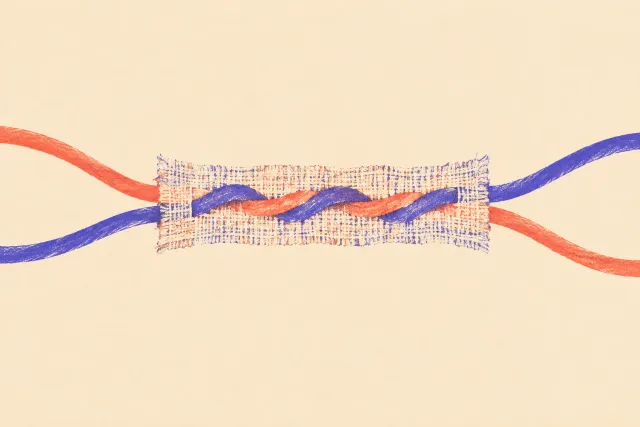
Review: Sex and gender may shape frailty in MS care
A review examines how sex and gender may shape frailty in MS and other neurological conditions. It links frailty to disease progression and outcomes.

What Alzheimer's research can teach about MS tests
This review describes how lessons from Alzheimer's disease research are being applied to tests that track MS and other conditions. It reports no new test results.

Brincidofovir reduced virus activity in MS blood cells
In lab tests using blood cells from people with MS and healthy people, brincidofovir reduced virus activity. The study did not test treatment in people.

MS is less common in Latin America than elsewhere
A review finds MS is less common in Latin America than in many other regions. It discusses possible reasons, diagnosis, and growing regional research.
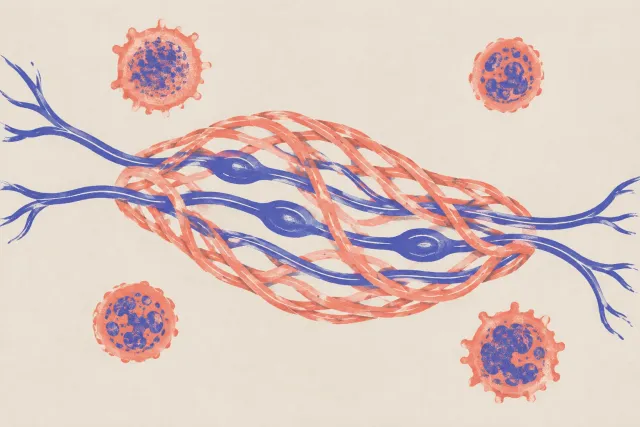
In mice, an experimental drug reduced MS-like nerve damage
In people with MS, a blood finding was linked to disease progression. In mice with MS-like disease, an experimental drug reduced immune attacks and nerve damage.

In animal MS models, a new treatment cleared lesions
In animal models of MS, a treatment placed in lymph nodes cleared nerve damage after one dose. The animals still responded to a vaccine challenge afterward.

Gut bacteria linked to MS-like immune disease in mice
A twin study linked gut bacteria to MS-like immune disease in mice given human gut microbes. The abstract does not show whether the bacteria cause MS in people.

New lab method maps cell signals in mouse and MS brains
A new lab method mapped signals between brain cells in mice. Some signals also appeared in human tissue and differed in tissue from people with MS.
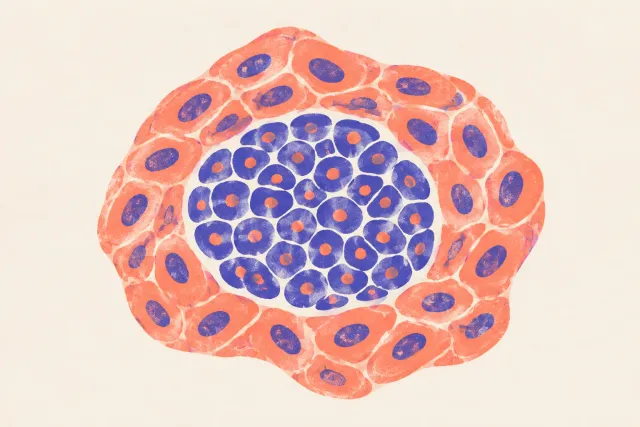
Lab mapping finds active support cells inside MS lesions
A lab study mapped proteins in donated MS brain tissue. Support cells in the centers of long-lasting lesions differed from cells in nearby tissue.

MS spinal fluid slowed fluid-moving hairs in lab cells
Donated MS brain tissue had fewer fluid-moving hairs. MS spinal fluid slowed these hairs in rodent cells. Mouse studies explored effects near brain fluid spaces.

In mice, loss of a cell brake worsened MS-like disease
In mice with an MS-like disease, losing a protein that limits immune cell growth worsened inflammation. Human tissue findings came from bowel disease, not MS.

New lab method tracks immune changes in MS-like mice
A new lab method found that myelin-making cells in mice with an MS-like disease changed early and responded differently as the disease progressed.
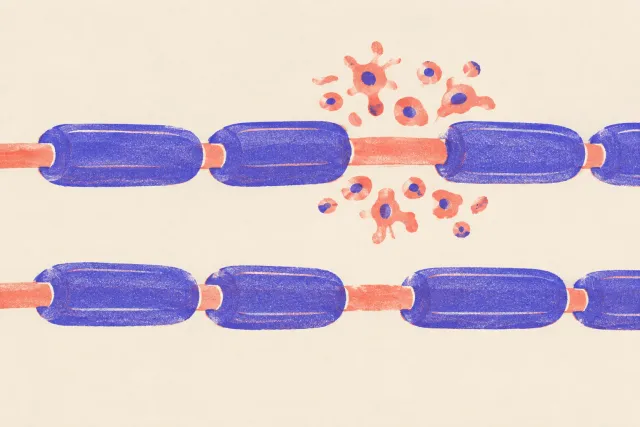
In older mice, myelin repair relevant to MS was delayed
In older mice, myelin repair was delayed alongside changes in brain immune cells. The mouse study offers clues about why myelin repair may slow with age in MS.
Check out the MS Buddy app
Track symptoms, monitor wellness, and stay on top of your MS care. It’s free, with no ads. Built by people living with MS.

