MS Research Roundup: September 2026
The multiple sclerosis research published in September 2026, explained in plain language. Studies are listed by how much they matter to people living with MS, most first.
The month at a glance
- 28 studies published this month.
- Newest study published September 30, 2026.
- 11 in people, 6 in the lab or in animals, 2 reviews of earlier research.
- Largest study: 8,781 people.
- Research from 531 institutions in 63 countries, including Karolinska Institutet, Mayo Clinic and Heidelberg University.
- Forms of MS studied: primary progressive (3), secondary progressive (3), relapsing-remitting (2).
- Symptoms studied: muscle weakness (2), mood changes (1), thinking problems (1).
- Of the 2 studies in people that tested a treatment, 1 had mixed results.
Studies published in September 2026

Review examines how MS flare-ups are spotted and treated
A review explains why MS flare-ups can be hard to recognize and discusses current treatments, alongside attacks in two conditions often mistaken for MS.

Heart Failure and MS: What to Know About Heart Health
Heart failure affects millions worldwide. Learn what this study found, why heart health matters if you have MS, and which risks to discuss with your doctor.

Immune Cells and MS: What New Research Means for You
A review links one type of immune cell with better MS outcomes. Learn what researchers found, what remains unclear, and why your care plan should stay the same.

Genetic ancestry was not tied to worse MS disability
In a UK study of 816 people with MS, African and South Asian genetic ancestry were not consistently linked to worse disability than European ancestry.

In MS, support shaped links between sharing and mood
In 272 Iranian adults with MS, sharing distress was linked to less anxiety and depression when support felt low, but more when support felt high.

Pregnancy and MS-Like Illness: What Treatment Data Show
Pregnant with an MS-like condition? Learn what a review found about two treatments, why safety is still uncertain, and what to discuss with your care team early.

Could a New Immune Cell Treatment Help People With MS?
A lab study found engineered immune cells eased skin inflammation in mice, but it did not test people with MS. Learn what this finding may mean for MS care.

Brain lesions linked to worsening weakness in MS cases
A review of 17 people with worsening weakness found rare brain lesions along movement pathways. Some had MS; others had related nerve-covering conditions.
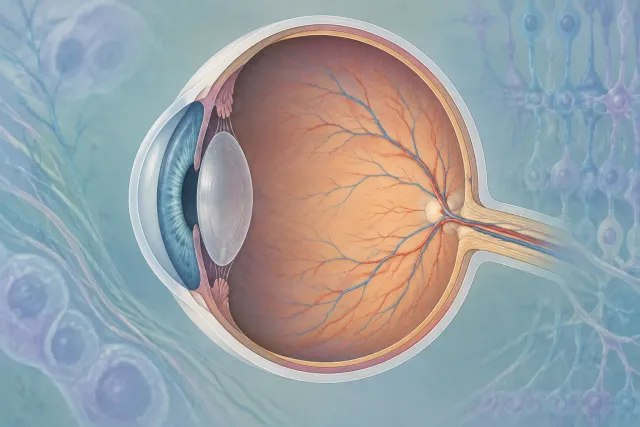
Narrower eye blood vessels linked to more MS disability
In 179 people with MS, narrower eye blood vessels were linked to greater disability. Combining vessel measurements with eye scans better identified disability.

How MRI Scans Help Tell MS From Similar Conditions
Learn how MRI scans help doctors tell MS from similar conditions, check possible attacks, and guide care, while blood tests and symptoms complete the picture.

Age estimate from nerve protein ran older in people with MS
Researchers compared people with MS and people without MS. A nerve protein suggested older age in MS, especially with greater disability or progressive disease.

MS family history did not predict worse long-term outcomes
In a Swedish study of 3,094 people with MS, family history was not linked to worse long-term disability, thinking, brain scan activity, or reported health.

Exercise linked to lower MS risk only with less sun
A Swedish study linked more leisure-time activity to lower MS risk among people with less sun exposure. The link weakened in the full group after adjustments.

Review explores how gut wall changes may relate to MS
This review explores how the gut wall may relate to MS and other nervous system diseases. It proposes possible links but does not test a treatment for MS.

Brain scans found MS groups with different disability
Brain scans identified four MS groups. Disability and worsening without a relapse differed between groups, but thinking test results did not differ across them.

In MS, Ocrevus reduced inflammatory immune cells
Researchers found that Ocrevus reduced a group of inflammatory immune cells in MS. Tysabri increased these cells in blood, but patient outcomes were not tested.
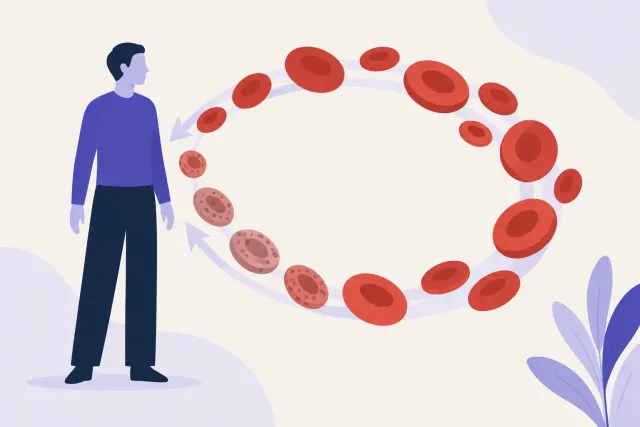
Early MS trial: Modified blood cells were well tolerated
In an early MS trial, people tolerated a treatment made from their own red blood cells. Some health measures stayed stable, and immune cell patterns changed.

MS and Pregnancy: Why Mental Health Check-Ins Matter
A study of two births finds mothers with MS may need mental health care during both pregnancies. Learn why checking in about mood and anxiety matters each time.

How Sharing Your MS Symptoms May Improve Your Care
A review shows how patient surveys are used in MS care, why answers may not lead to action, and what to ask your care team about symptoms at your next visit.

MS Treatment and Virus Defense: What Patients Should Know
A study finds fewer immune cells targeting a common virus in MS patients on B-cell treatments, while other responses remain. Learn what it means for your care.

Slower vision test linked to brain scan changes in MS
In 64 people with MS, slower responses on a vision test were linked to less brain tissue and more damage on brain scans, even after accounting for eye changes.

In MS-like mice, an experimental drug eased paralysis
An experimental drug reversed paralysis and vision loss in mice with an MS-like disease. Separate studies linked certain antiviral drugs to fewer MS cases.

In mice, immune treatment eased progressive MS-like disease
In mice with progressive MS-like disease, blocking an immune signal cleared clusters near the brain and eased disease signs. Removing B cells did not help.

Blocking protein buildup restored myelin in MS-like mice
In mice with MS-like disease, blocking a protein buildup restored myelin repair and improved recovery. The study did not test this approach in people with MS.

In MS donor eyes, a cell defense tracked less damage
In donated eye cells from people with MS, a protective substance tracked with resistance to damage. Tests in mice explored how it worked inside nerve cells.

MS risk variant limited vitamin D's effect in immune cells
In a lab study, an MS-linked gene variant limited how vitamin D helped immune cells switch toward calming inflammation, including cells from people with MS.

MS Treatment Choices: Why Age and New Tests Matter
Learn how age and newer MS tests may guide treatment choices, what doctors watch for, and why regular check-ins matter as your needs change over time.
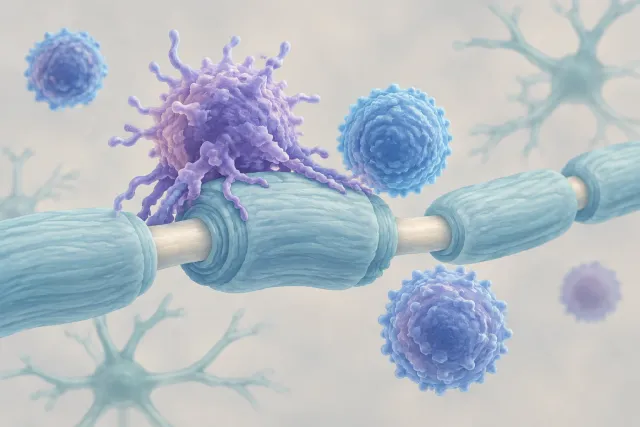
In mice, blocking immune cell death eased MS-like disease
In mice with an MS-like disease, blocking cell death helped transferred immune cells survive and reduced disease harm. The treatment was not tested in people.
Check out the MS Buddy app
Track symptoms, monitor wellness, and stay on top of your MS care. It’s free, with no ads. Built by people living with MS.

