MS Fatigue Research
Updated
MS fatigue is more than everyday tiredness. It is an overwhelming feeling of exhaustion, often out of proportion to what someone has been doing. Research suggests that between 6 and 8 in every 10 people with MS have fatigue. Below is the latest research on MS fatigue, explained in plain language.
Latest studies

Exercise and coping programs helped fatigue in MS review
A review found exercise, therapy focused on thoughts and behavior, and self-management programs showed the most consistent benefits for fatigue in people with MS.

MS fatigue may reflect extra effort to control movement
A review suggests MS fatigue may reflect extra effort to control movement and incomplete recovery after activity. It outlines ideas for future fatigue studies.
Computer studies show MS fatigue surveys differ by person
Computer studies found MS fatigue surveys can give similar group results but different individual scores. Shorter surveys detected fewer changes in fatigue.
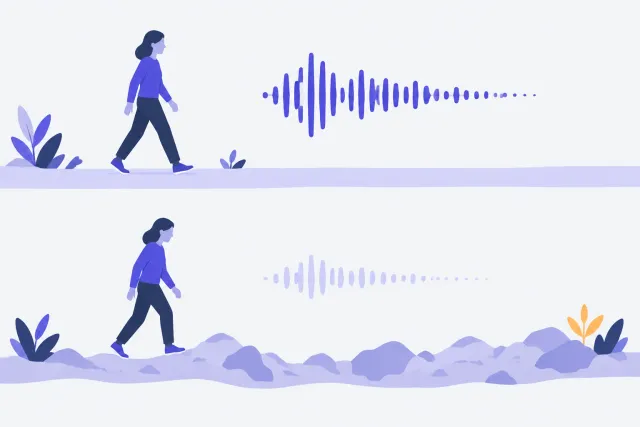
Voice problems were greater with more disability in MS
In a study of people with MS, those with greater disability reported more voice problems and vocal fatigue. Both groups reported anxiety and depression symptoms.

Less activity linked to fatigue across illnesses, including MS
A review of wearable-device studies linked fatigue with less activity and more sitting across long-term illnesses, including MS. The links varied by illness.
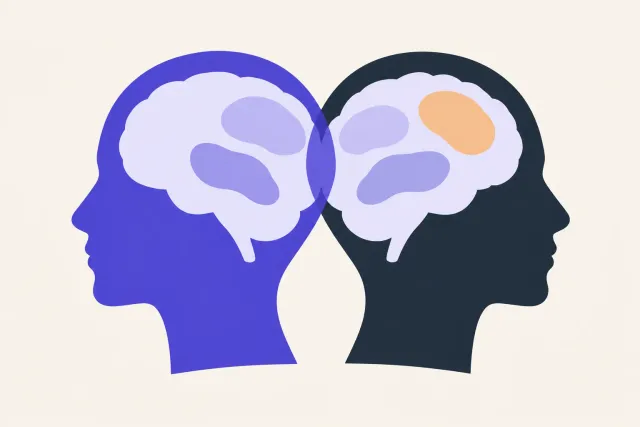
Brain changes in post-COVID fatigue overlap with MS
Brain scans found changes in people with lasting fatigue after COVID-19. Some overlapped with changes in people with MS and fatigue, but the study cannot show cause.
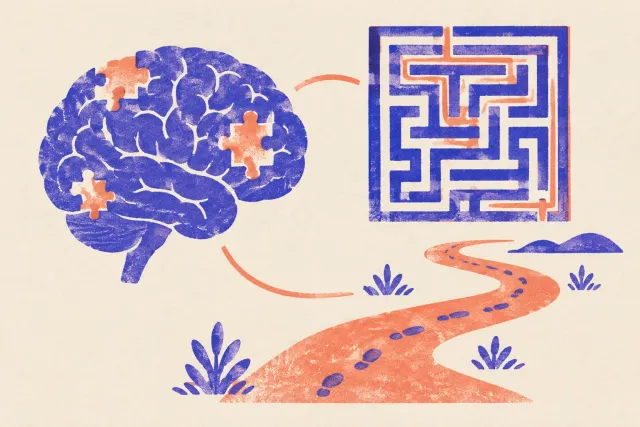
Brain tissue loss tracks thinking and disability in MS
In brain scans of people with MS, tissue loss was linked to disability and thinking problems. Researchers compared affected areas with maps of brain chemicals.
MS research roundups by month · All MS research news
Check out the MS Buddy app
Track symptoms, monitor wellness, and stay on top of your MS care. It’s free, with no ads. Built by people living with MS.

