Research on a First MS-Like Attack
Updated
A first attack of MS-like symptoms that lasts at least 24 hours is called clinically isolated syndrome. Some people never have further symptoms, while others go on to be diagnosed with MS. MRI scans can give a good idea of how likely that is. Below is the latest research on a first MS-like attack, explained in plain language.
Latest studies
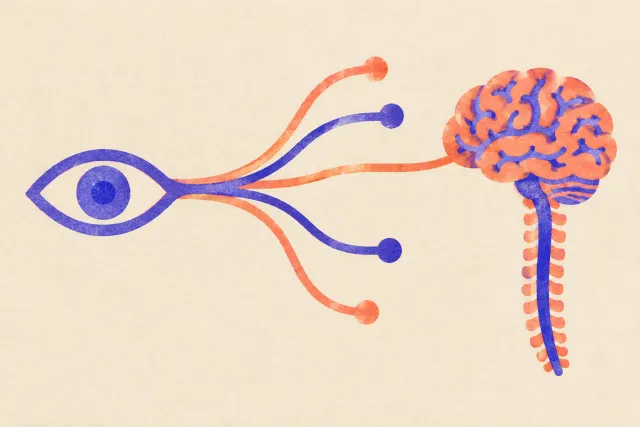
Some with first optic nerve inflammation later had MS
In a study of 601 people in Japan after first optic nerve inflammation, some later had MS. Others had repeated attacks or different diseases during follow-up.
Blood immune cells predicted worse MS after a first attack
Researchers found blood immune cells linked to MS relapses. Higher levels at a first MS-like attack predicted a more severe course two years later.

New tool predicts MS worsening after a first attack
A study of people after a first MS-like attack found a new tool predicted later attacks and disability worsening, though it was less accurate for some outcomes.

Children with MS had fewer relapses on pills or infusions
In a study of 212 children with MS or a first MS-like attack, those switching from shots to pills or infusions had fewer relapses than those switching shots.
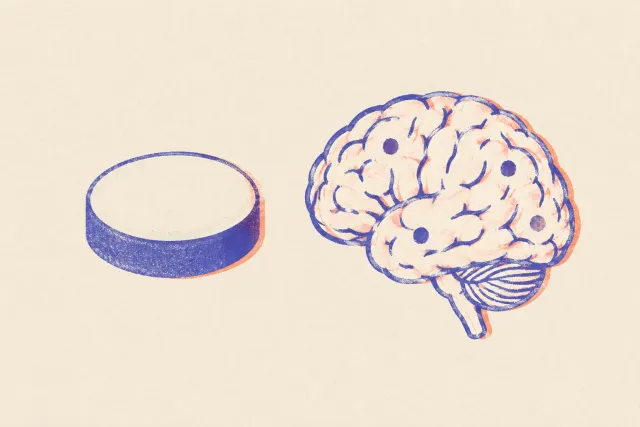
High-dose vitamin D cut new lesions after first MS attack
In a trial after a first MS-like attack, high-dose vitamin D reduced new brain lesions over 24 months. It did not clearly reduce relapses or other clinical outcomes.
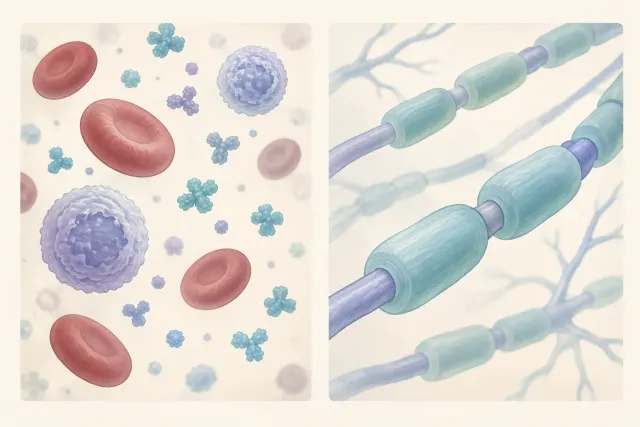
Early blood test linked to later MS disability worsening
A study of 578 people after a first MS-like attack linked higher levels of a blood marker to later disability worsening. It did not test a treatment.
MS research roundups by month · All MS research news
Check out the MS Buddy app
Track symptoms, monitor wellness, and stay on top of your MS care. It’s free, with no ads. Built by people living with MS.

