MS shares changes in how the body uses tryptophan
By MS Buddy ·
Summarized from Autoimmunity reviews, Nov 2026 · PubMed. AI-generated summary. Not medical advice.
Review · Research on MS and other diseases involving the immune system
Research by Yian Su, Yukai Jing and 13 colleagues at Third Hospital of Shanxi Medical University, Shanxi Medical University and 2 other institutions in China.
What changes in how the body uses tryptophan are shared by MS and other diseases?
Key Takeaway
The review found evidence that changes in how the body processes tryptophan (a building block of proteins) are common across several diseases, including MS.
What They Found
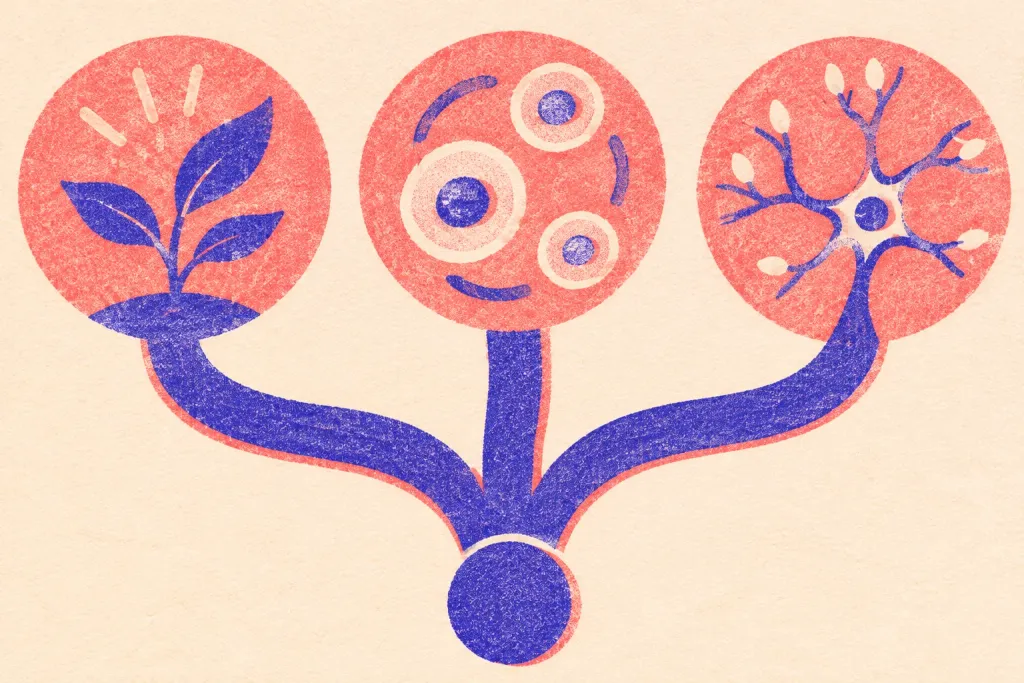
How the body processes tryptophan (a building block of proteins) links nutrients, gut bacteria, and the immune system. This process helps keep the immune system in balance. The authors found some changes shared across diseases and others that differed by disease. They reviewed efforts to use these changes as signs of disease. They also proposed targeting parts of this process as a possible treatment approach.
Who Should Care and Why
This review looked at research on MS, lupus, rheumatoid arthritis (a disease that attacks the joints), and inflammatory bowel disease (ongoing swelling in the gut). It did not focus on a specific form of MS. It puts MS findings in the context of other diseases involving the immune system.
Important Considerations
This was a review, not a treatment trial. Few studies directly compared these diseases. The review does not show whether the proposed approach could treat MS.
AI-generated summary — for informational purposes only, not medical advice
Read the original abstract
Published in Autoimmunity reviews by et al.. Reproduced from the PubMed record.
Tryptophan metabolism serves as a critical hub linking nutrient sensing, gut microbiota, and immune regulation, playing an essential role in maintaining immune homeostasis. Accumulating evidence indicates that dysregulated tryptophan metabolism is a shared pathological feature of multiple immune-mediated diseases, including systemic lupus erythematosus (SLE), rheumatoid arthritis (RA), multiple sclerosis (MS), and inflammatory bowel disease (IBD). However, existing studies have predominantly focused on individual diseases or specific metabolic pathways, with systematic cross-disease comparisons remaining limited. Consequently, a unified understanding of the underlying pathological mechanisms and their clinical translational implications has yet to be established. This review summarizes the physiological regulatory networks of tryptophan metabolism and examines their dysregulation across autoimmune diseases. It highlights shared pathogenic mechanisms and disease-specific metabolic alterations, while discussing recent advances in biomarker development and therapeutic strategies. Furthermore, we propose that targeting key regulatory nodes in tryptophan metabolism, particularly the indoleamine 2,3-dioxygenase 1-kynurenine-aryl hydrocarbon receptor (IDO1-KYN-AHR) axis, may offer an integrated framework for autoimmune disease management that combines broad-spectrum mechanistic insights with precision-targeted interventions. Nevertheless, translating these strategies into clinical practice requires careful consideration of tissue specificity, disease stage, and interspecies differences.
Categories
Explore more research
Check out the MS Buddy app
It’s free, with no ads. Built by people living with MS.


Related MS research
11/19/2026
Five people with MS received engineered immune cells. Spinal fluid immune changes were seen, but saf
Read More
11/20/2026
A small study followed brain connections and thinking in early MS over 10 months. Patterns differed
Read More
11/20/2026
A global study including childhood MS found rising rates and disability from rare childhood brain an
Read More
11/20/2026
Removing a protein that restrains immune cells worsened MS-like disease in mice. This laboratory stu
Read More
11/20/2026
Researchers identified disease-driving immune cells in an MS model and related human diseases. Lab f
Read More
11/18/2026
A review finds limited direct evidence that diet, exercise, or gut microbes affect MS through the bo
Read MoreNot all studies carry the same weight: sample size, study design and whether results were replicated all matter. The credibility score above reflects the journal, and the original paper is linked under More Details. Read how MS Buddy selects and scores research, and talk to your MS care team before acting on any study.