Early Research — MS Research News
Laboratory and animal work — the stage where ideas are tested long before they reach people. Remyelination, neuroprotection, immune mechanisms and new drug targets. Findings here are genuinely early, and a result in mice or cells is not yet a result in people.
- 306 studies
- From PubMed
- Plain language
Early Research studies

Virus draws more immune cells to brains in MS mice
After a lasting virus infection, more immune cells that recognized the virus built up in the brain and spinal cord of mice with poorer virus control.
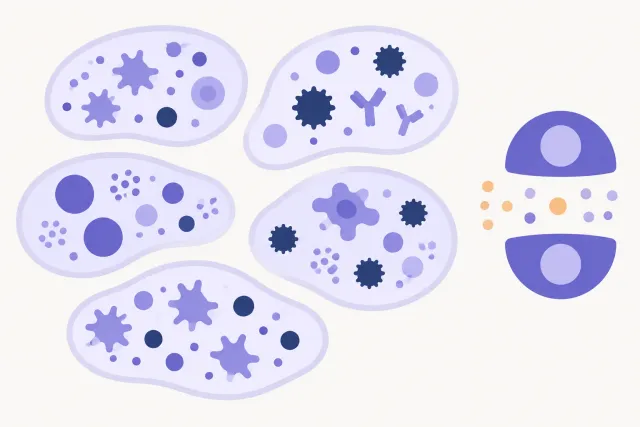
Engineered immune cells changed spinal fluid in MS
Engineered immune cells changed immune activity in spinal fluid in five people with MS, but effects on symptoms and disease worsening remain untested.
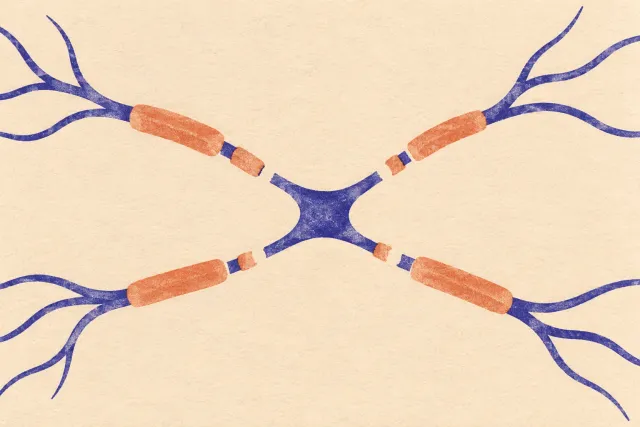
MS tissue and mice show damage in a brain vision hub
Donated MS brain tissue showed nerve covering loss in a vision hub, while mice showed sex differences in related immune cell activity.
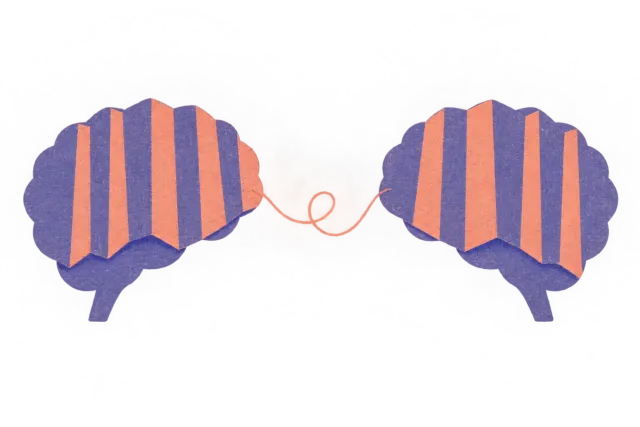
Inherited brain structure patterns linked to MS risk
Inherited differences in brain structure were linked to the risk of developing MS.
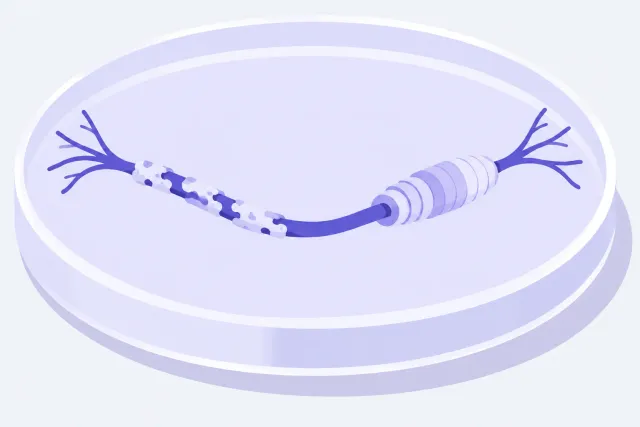
New Lab Model May Help Find Ways to Repair MS Myelin
Scientists built a human cell model that shows how damaged nerve coating can regrow, giving researchers a new way to study repair in MS.

In MS donor eyes, a cell defense tracked less damage
In donated eyes from people with MS, nerve cells with more of a protective substance were better able to resist damage.

Review links lasting inflammation to MS nerve damage
This review proposes that lasting inflammation in MS may fuel repeated cycles of nerve cell damage.
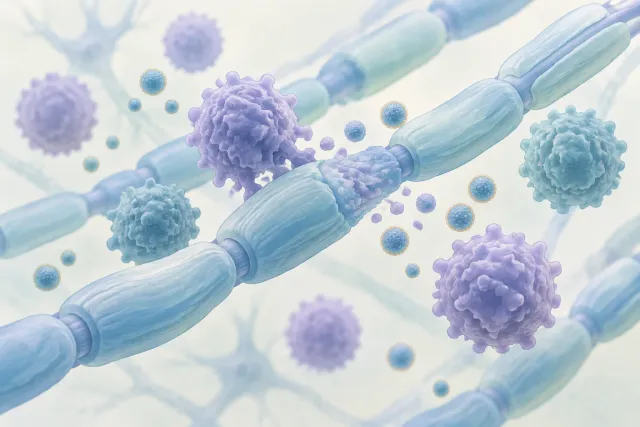
In MS-like mice, steroid particles delayed paralysis
In mice with an MS-like disease, steroid-coated particles carrying treatment instructions delayed paralysis and lowered signs of inflammation.

In MS-like mice, brain support cells fueled immune attacks
In mice with an MS-like disease, brain support cells helped drive immune attacks.

Review examines brain cells linked to MS progression
This review describes how cells in the brain and spinal cord may contribute to MS worsening despite treatments that target immune cells elsewhere.

In mice, low arginine worsened brain inflammation, not MS
In mice with brain inflammation, too little arginine in the diet worsened disease, while blocking its breakdown in certain immune cells improved it.

In mice, reducing harmful molecules eased MS-like disease
In mice with an MS-like disease, reducing harmful molecules in invading immune cells eased disease severity.
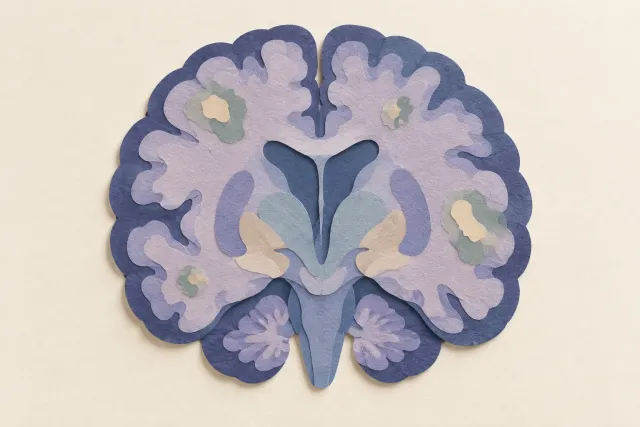
New brain scan method maps MS lesions and brain tissue
A new brain scan method measured several features at once and helped describe MS lesions.
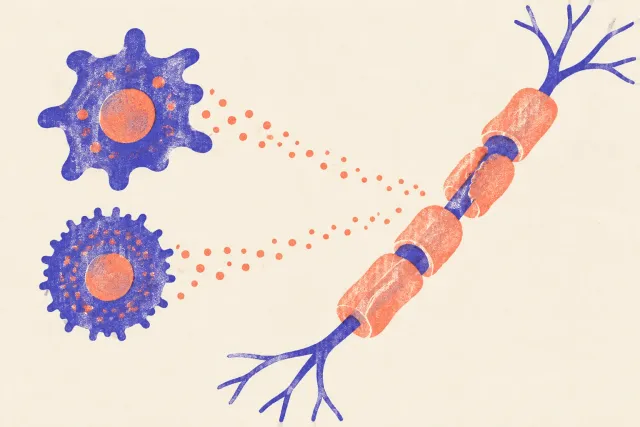
In mice, immune signals were needed for MS-like disease
In mice, immune signals from certain immune cells were needed to trigger an MS-like disease.
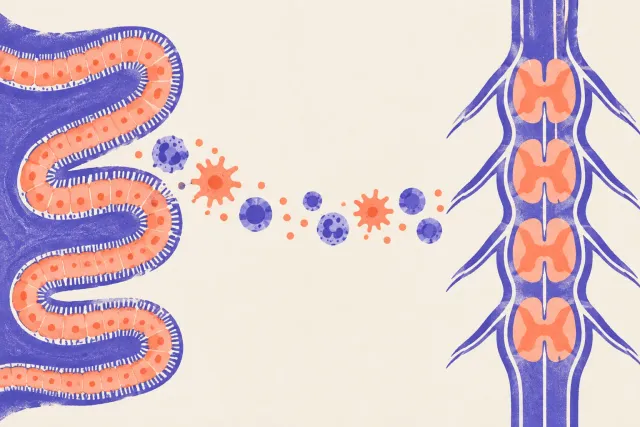
In mice, gut cells helped start an MS-like disease
In mice, cells lining the gut helped start an MS-like disease by activating immune cells that later reached the spinal cord.
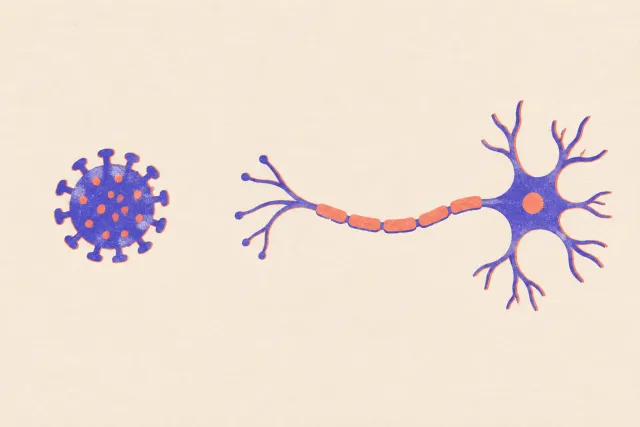
Higher Epstein-Barr virus levels were not tied to MS
Higher levels of the Epstein-Barr virus were not linked to a higher MS risk in this study's genetic analysis.
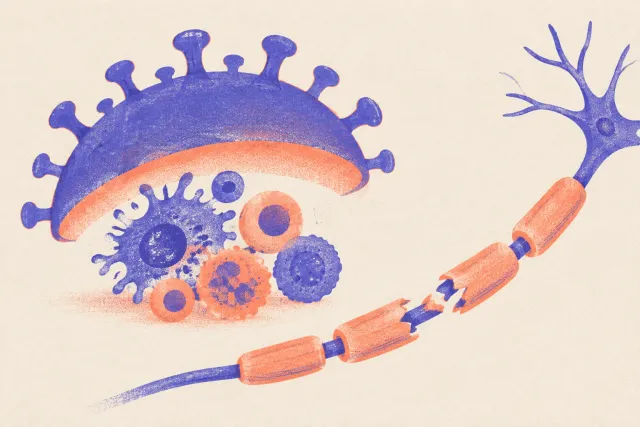
Epstein-Barr virus may help immune cells survive in MS
Epstein-Barr virus helps immune cells survive in the brain and spinal cord, linking infection to nerve covering damage in MS.

Blocking cell death reduced nerve cell loss in MS-like mice
In mice with an MS-like disease, blocking a step in cell death reduced nerve cell loss and disease severity.
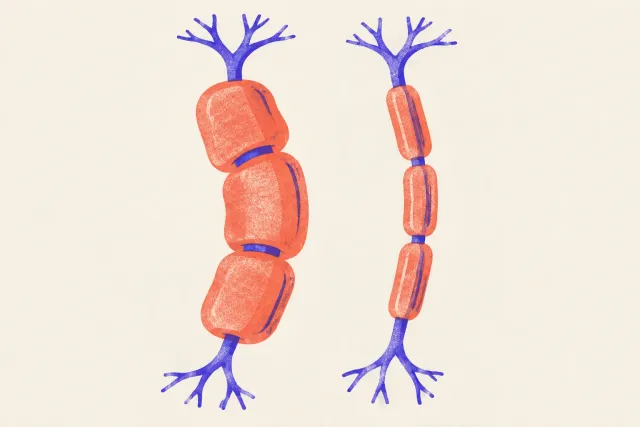
In mice, less nerve activity reduced MS-like damage
In zebrafish and mice, lowering nerve activity reduced swelling in the covering around nerves during early damage.
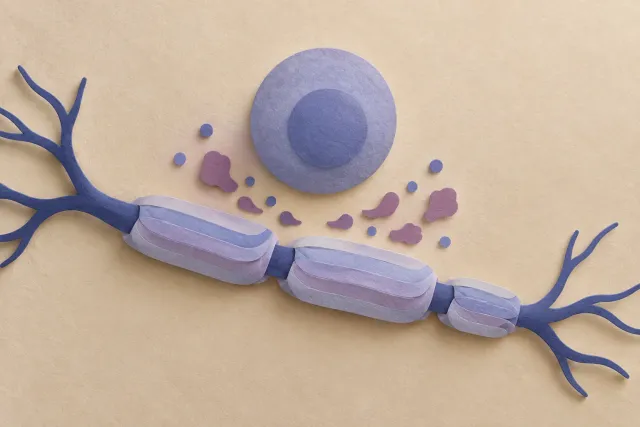
Pregnancy-linked signal eased MS-like disease in mice
A signal that rises during pregnancy was linked to fewer MS relapses and reduced MS-like inflammation in mice.
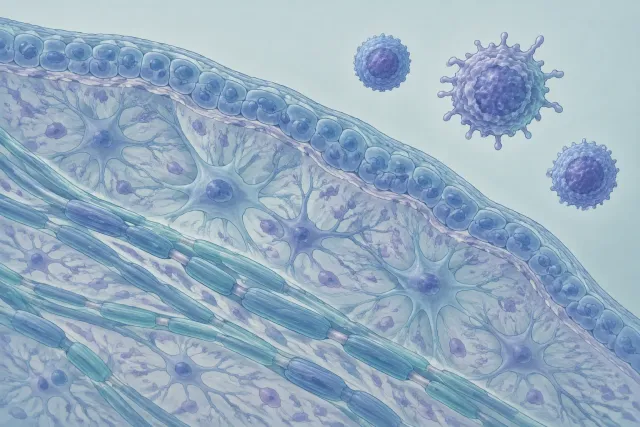
In mice, drugs prevented MS-like brain surface damage
In mice with an MS-like disease, experimental drugs prevented immune cell clusters and damage to the brain's outer layer.

New lab method maps immune cells in mice with MS-like disease
A new method helped researchers identify signals that shape immune cells in mice with an MS-like disease.

New lab method tracks immune changes in MS-like mice
In mice with an MS-like disease, cells that make myelin showed immune changes early that lasted into later stages.
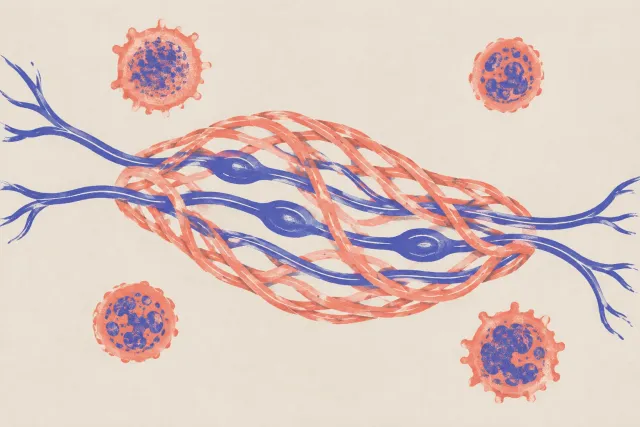
In mice, an experimental drug reduced MS-like nerve damage
In mice with MS-like disease, an experimental drug reduced immune attacks and damage to nerve fibers.
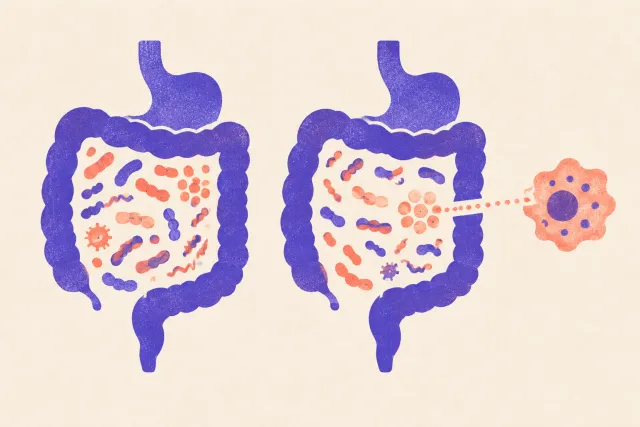
Gut bacteria linked to MS-like immune disease in mice
A twin study linked certain gut bacteria to MS-like immune disease in mice given human gut microbes.
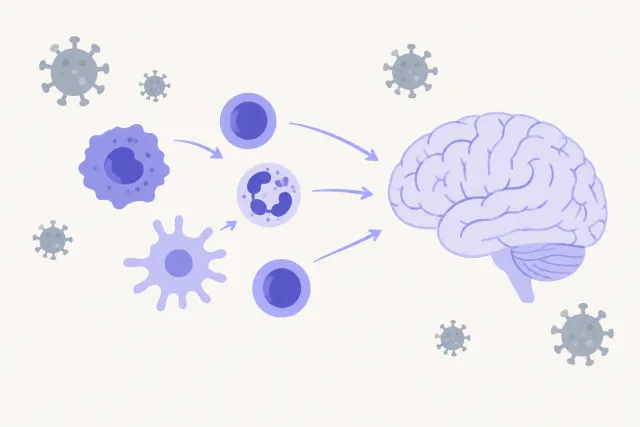
In mice, an MS-linked virus drew immune cells into the brain
In mice with human immune cells, an MS-linked virus drew immune cells into the brain.

Gene removal in immune cells eased MS-like disease in mice
Removing a gene from immune cells protected mice from an MS-like disease and inflammatory bowel disease.

Review examines vaccines against a virus linked to MS
A review found that treatments targeting a virus linked to MS are being developed, but their benefit for MS remains uncertain.

In mice, cell clusters kept MS-like inflammation going
In mice, clusters of immune cells around the brain helped keep MS-like inflammation going.
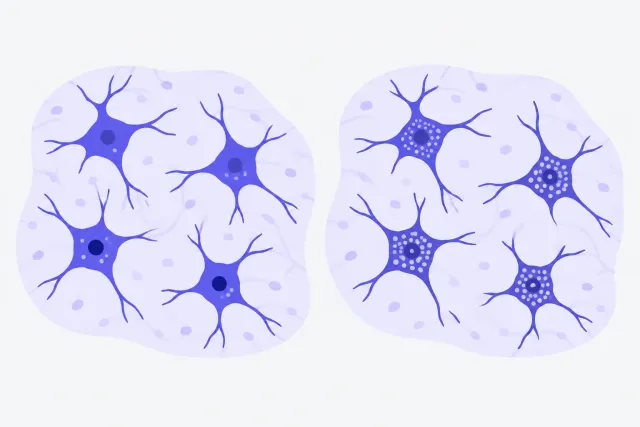
Donated MS brains show more DNA changes in lesion cells
Nerve cells in long-standing MS lesions had more DNA changes than cells from other donated brain tissue.
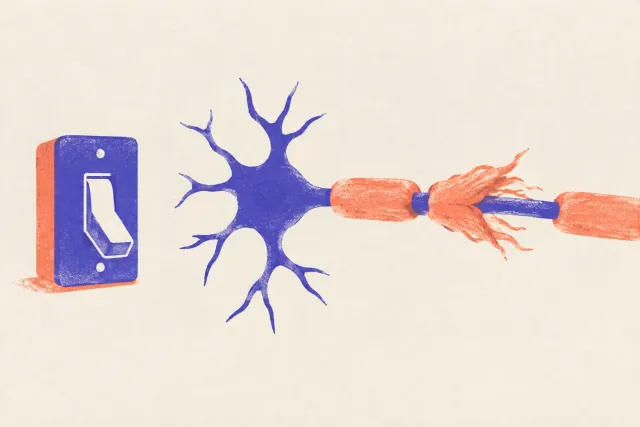
Turning off a gene worsened MS-like disease in mice
Turning off a gene in certain brain cells made an MS-like disease worse in mice.
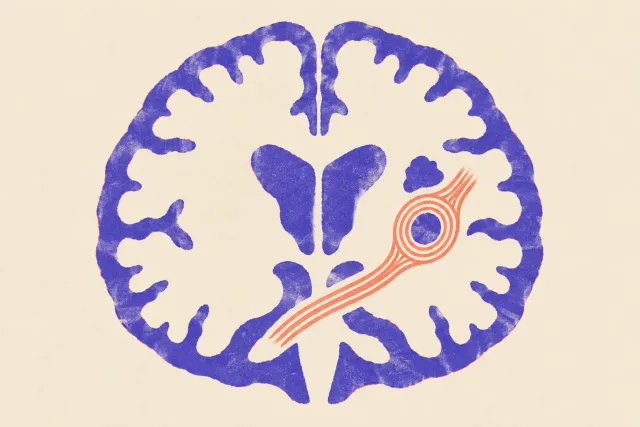
Brain scans map early MS-like lesion growth in marmosets
In marmosets with an MS-like disease, brain scans detected changes before damage to nerve coverings appeared.

Neck lymph nodes in MS showed more Epstein-Barr virus
People with newly diagnosed, untreated MS had more Epstein-Barr virus in neck lymph nodes and saliva than people without MS.
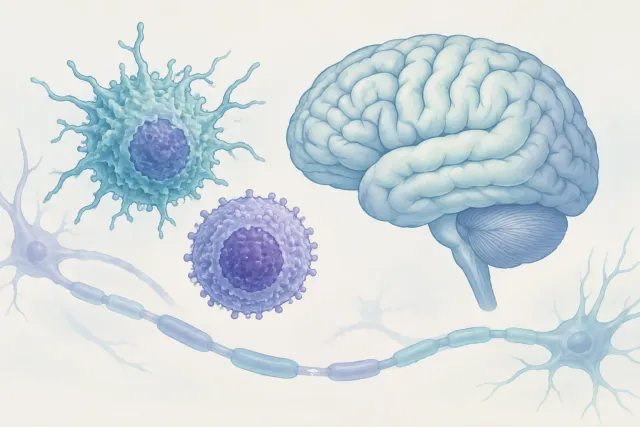
Brain gene study links MS to two types of immune cells
A study of genetic and brain data linked MS to two kinds of immune cells.

MS included in blood virus study; links found elsewhere
A study that included people with MS found links between blood viruses and other diseases, but reported no MS-specific findings.
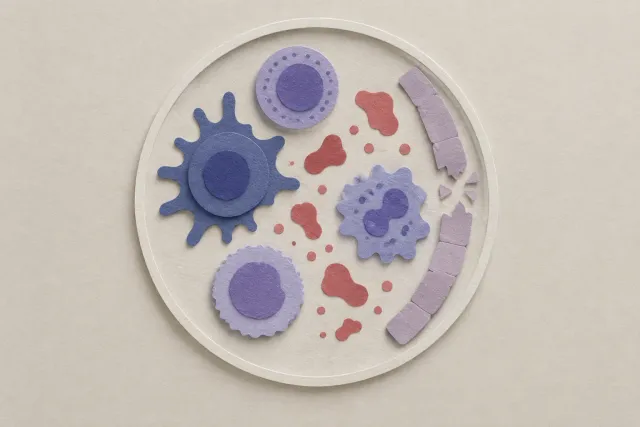
Immune Cells Gained Inflammation Potential; MS Not Studied
Removing a natural brake from immune cells made them more likely to drive inflammation in lab tests, but the study did not examine MS.

In MS lab cells, simvastatin reduced nerve cell harm
In a lab study, simvastatin changed cells made from people with progressive MS so they caused less harm to nerve cells.
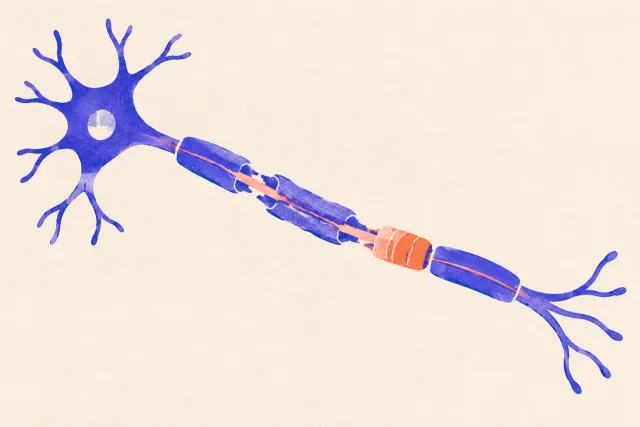
In older mice, a supplement improved MS-like myelin repair
In older mice, a supplement improved repair of damaged nerve covering and thinking skills.

In MS-like mice, blocking vessel growth did not help
Blocking a signal that grows new blood vessels reduced vessel growth in mice with an MS-like disease, but did not improve the disease.
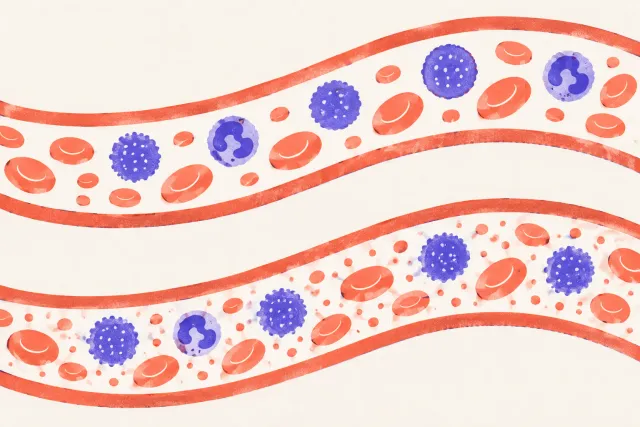
Blood immune cells show early changes linked to MS
Blood immune cells showed changes linked to MS, including in twins with early signs of brain inflammation.
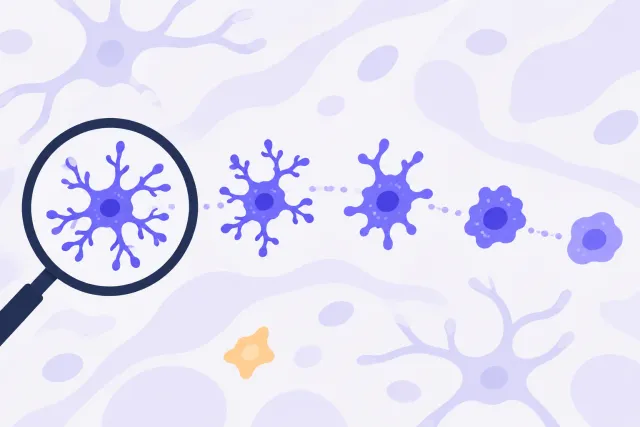
Lab tool tracks brain cells during repair linked to MS
A new lab tool tracked brain immune cells and showed that their behavior can change during development and disease.

Immune testing found a pattern before MS symptoms began
Researchers found an immune pattern that appeared before the first signs of MS.
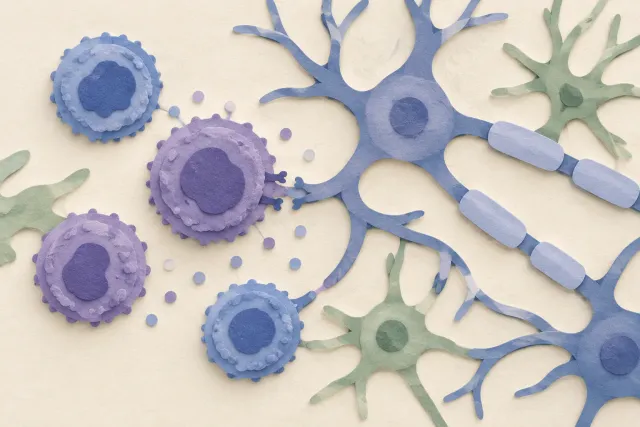
Review covers MS treatments and new research methods
This review describes how immune cells and nervous system cells interact in MS, and how researchers are studying those interactions.
Epstein-Barr virus's role in MS damage remains unclear
A review found that Epstein-Barr virus may shape immune activity in MS, but whether it drives nerve damage remains unclear.
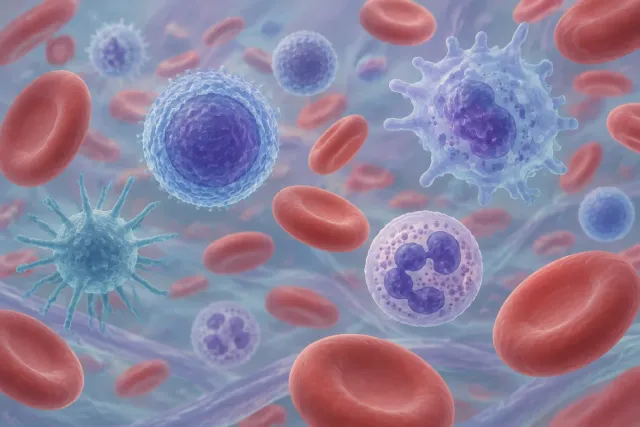
After MS relapses, cells fighting Epstein-Barr rose
After MS relapses, blood cells that fight the Epstein-Barr virus increased, alongside cells that fight other viruses.

Blood levels set Gilenya users apart in relapsing MS
Two small pieces of genetic material were lower in the blood of people taking Gilenya for relapsing MS than in those who had never received treatment.

Altered immune cells for MS are still in early study
A review found that altered immune cells can focus their calming effects on specific targets, but evidence in people is still at an early stage.
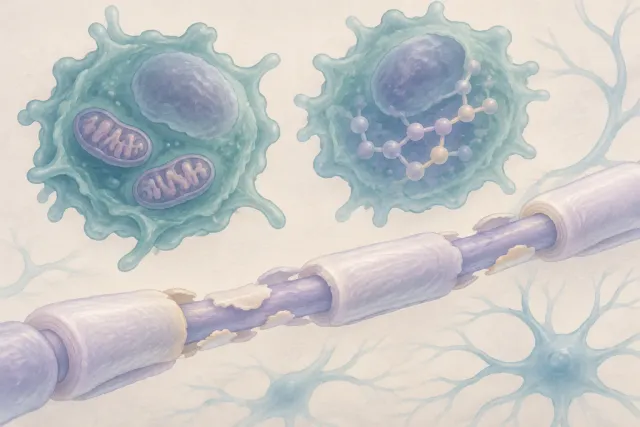
Changes in how cells use fuel may make MS worse over time
The review found that changes in how cells use fuel mainly make MS and other immune diseases worse rather than starting them.
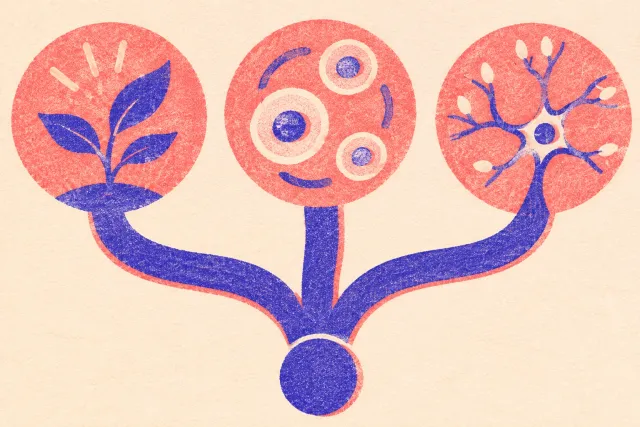
MS shares changes in how the body uses tryptophan
The review found evidence that changes in how the body processes tryptophan (a building block of proteins) are common across several diseases, including MS.
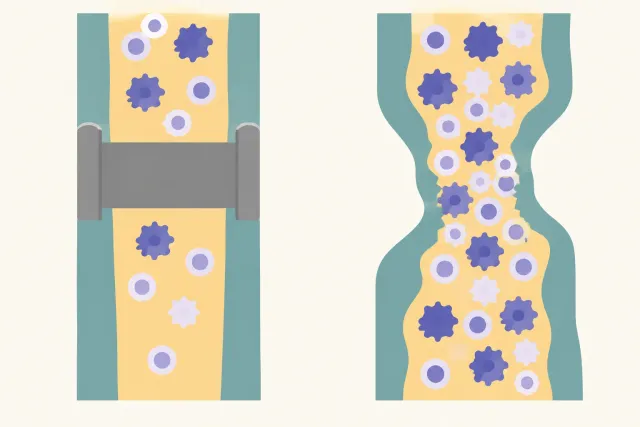
Removing an immune brake worsened MS-like disease in mice
Removing a protein that restrains immune cells worsened disease in mice with an MS-like illness.

Childhood MS in wider study of rising rare diseases
The worldwide burden of rare childhood neurological diseases increased, but the study did not report separate trends for childhood MS.
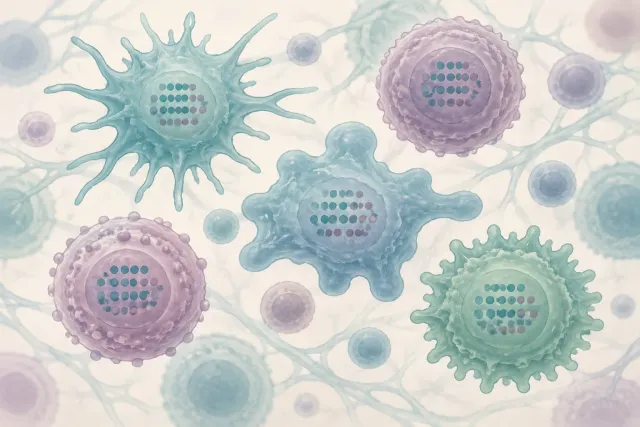
New method identifies immune cells in an MS model study
Researchers identified shared patterns of gene activity that distinguish immune cells involved in autoimmune disease, including in an MS disease model.
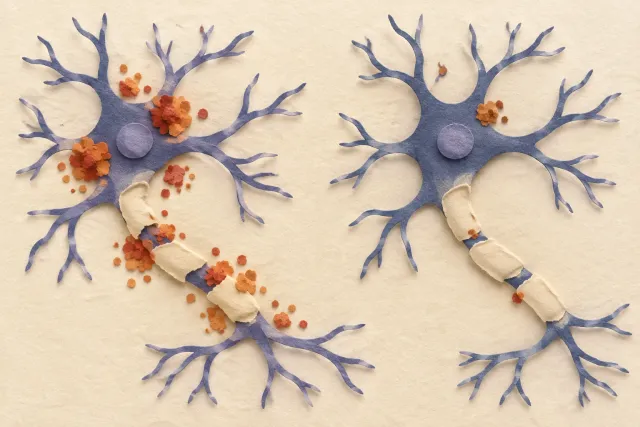
Experimental drug eased MS-like disease signs in mice
An experimental drug reduced nerve-related problems and inflammation in mice with an MS-like disease.
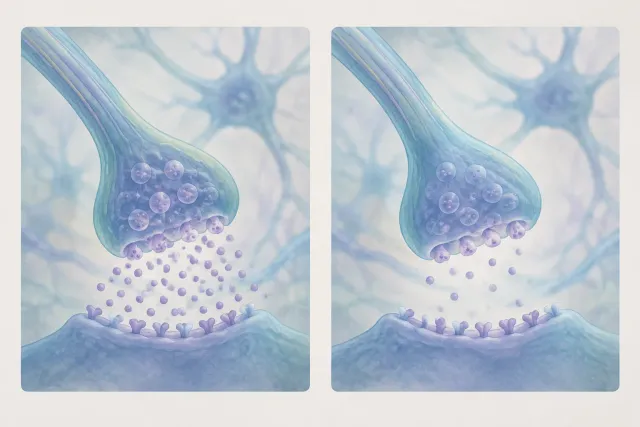
Lab drug cut chemical release in MS-like mouse tissue
In spinal cord tissue from mice with an MS-like disease, a lab drug reduced excess chemical release from nerve endings.

Review explores how immune genes may shape MS damage
This review proposes a way to study how immune genes may shape tissue damage in MS.
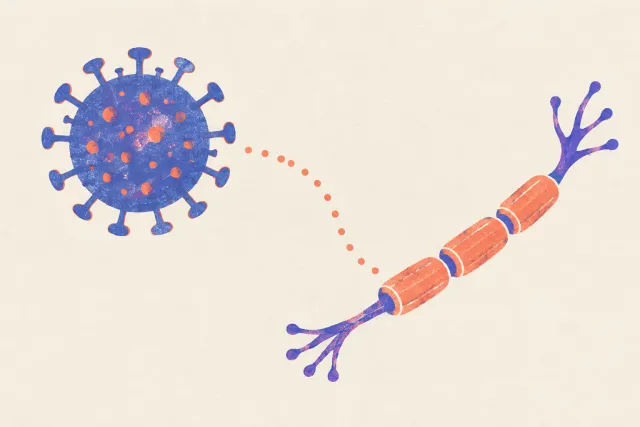
Review proposes how Epstein-Barr virus may drive MS
A review proposes a possible way the Epstein-Barr virus may contribute to MS, but the idea remains untested.

MS risk review compares childhood and adult-onset MS
This review found shared and age-specific factors linked to MS starting in childhood or adulthood.
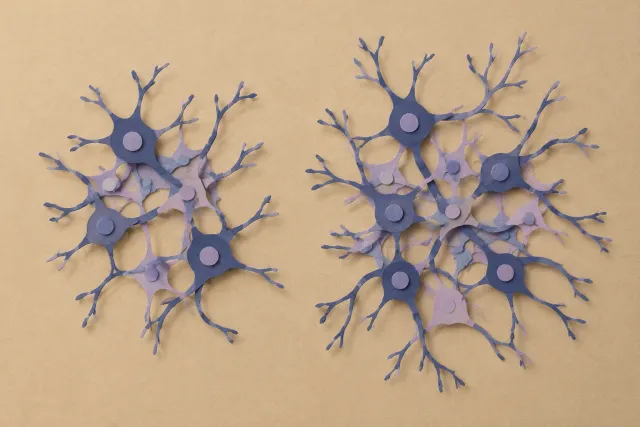
New spinal cord cell model mirrors changes seen in MS
A new lab model of spinal cord cells showed changes like those seen in tissue from people with MS.

New MS Research Points to Nerve Repair and Better Movement
In mice with an MS-like illness, an experimental compound improved movement and helped repair damaged nerves, but it has not been shown to work in people.
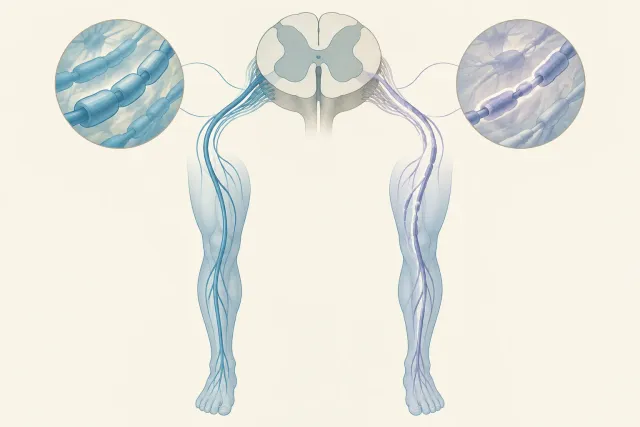
Could Your MS-Like Leg Symptoms Have Another Cause?
A rare inherited condition can look like MS, so people with unexplained stiff legs and unusual scan results may benefit from asking whether genetic testing is appropriate.

MS Genes: What They Reveal About Risk and Treatment
MS genes help explain who may develop the disease and why treatments that calm the immune system can help, but they cannot yet predict what will happen to one person.
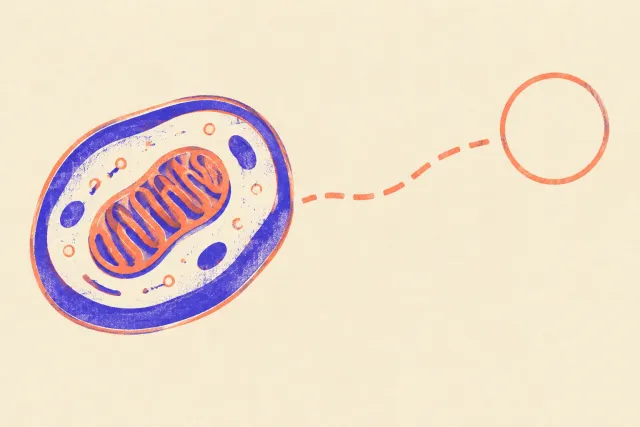
Could Cell Energy Clues Help Improve MS Care One Day?
Clues about how cells make energy may one day help doctors track MS, but these tests are not ready for routine care.

Could Gut Bacteria Help Guide Future MS Treatments?
In mice with an MS-like illness, a plant compound eased symptoms partly by helping a gut bacterium make a substance that calmed harmful immune activity.
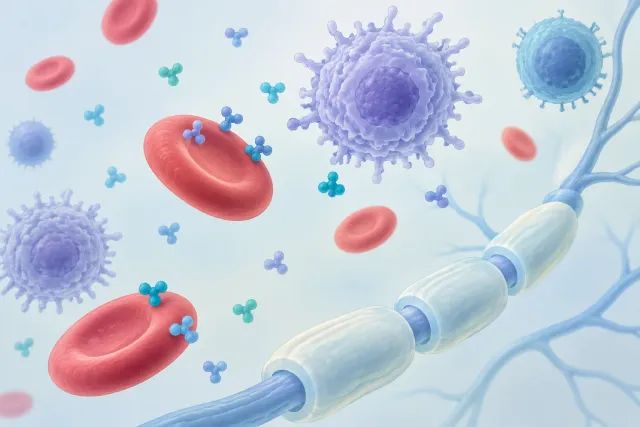
Could Red Blood Cells Help Calm MS Immune Attacks?
In a mouse study, red blood cells carrying disease-related pieces helped calm MS-like immune attacks, but this approach is not yet a proven treatment for people with MS.
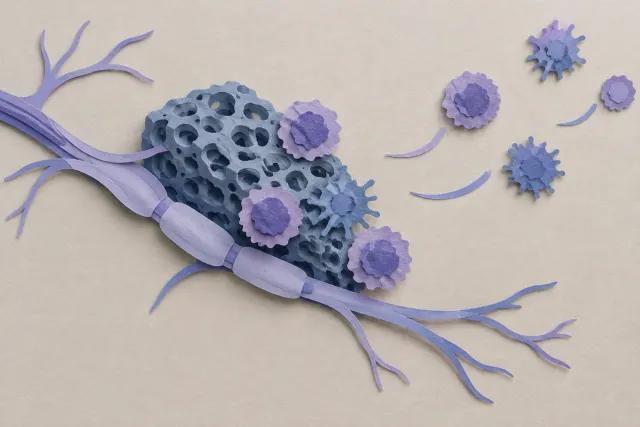
A New Immune Approach May Ease MS-Like Disease in Mice
In mice with advanced MS-like disease, a 3D-printed implant helped calm the immune attack on nerve tissue, but it has not been tested in people.

MS Study Finds Hidden Immune Cells That Treatment Targets
A study found that some immune cells in MS swap identifying tags, and an MS treatment removed these cells in the study.
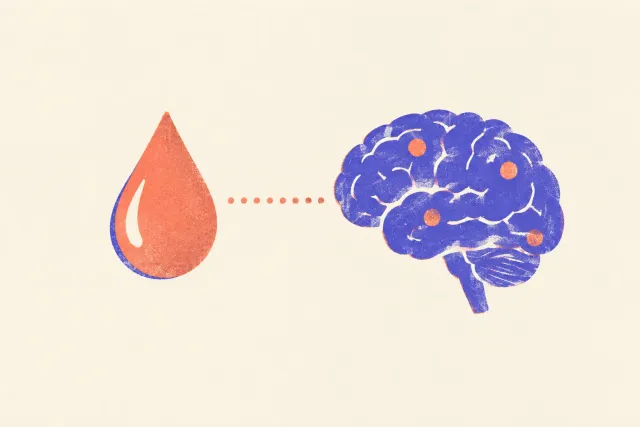
Could a Blood Test Reveal Hidden MS Brain Activity?
A blood substance called CHIT1 was linked to ongoing activity around some MS brain spots, but the test is not ready to guide care.

A New Clue to MS Inflammation and Future Treatments
Researchers found that a body chemical linked to MS inflammation made disease worse in mice, while blocking its production eased their symptoms.
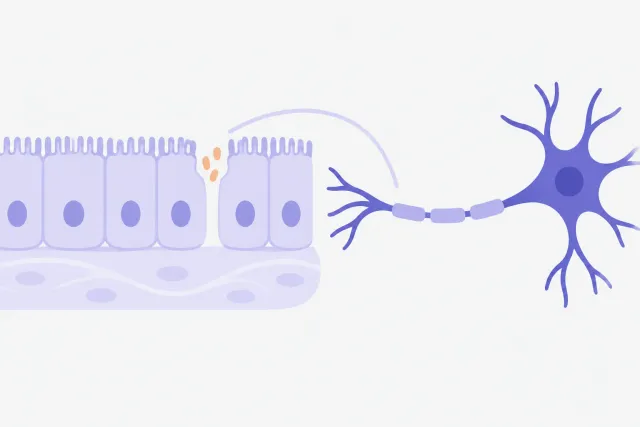
Review explores how gut wall changes may relate to MS
This review proposes that changes in the gut wall may play a role in MS and other diseases involving attacks on the nervous system.

In MS-like mice, an experimental drug eased paralysis
An experimental drug reversed paralysis and vision loss in mice with an MS-like disease.

In mice, immune treatment eased progressive MS-like disease
In mice with progressive MS-like disease, blocking an immune signal reduced disease signs, while removing B cells did not.

Blocking protein buildup restored myelin in MS-like mice
Blocking a protein buildup restored myelin repair and improved recovery in mice with an MS-like disease.

In MS, Ocrevus reduced inflammatory immune cells
Ocrevus reduced a group of inflammatory immune cells in people with MS, while Tysabri increased those cells in the blood.

MS risk variant limited vitamin D's effect in immune cells
A gene variant linked to MS kept vitamin D from helping certain immune cells switch to a state that calms inflammation.
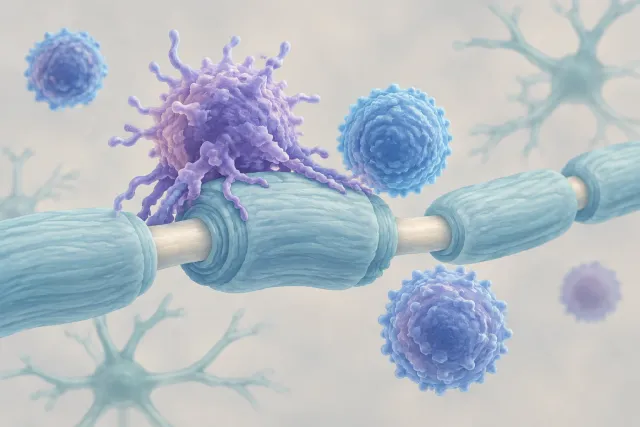
In mice, blocking immune cell death eased MS-like disease
In mice with an MS-like disease, blocking a type of immune cell death helped transferred immune cells survive and reduced disease harm.

Review finds gaps in brain fat mapping for MS research
A review found that studies can map fats in human brain tissue, but a complete map is still missing.

Antibody test flagged an MS look-alike in four people
An antibody test identified four people with an MS look-alike condition among 297 people screened.
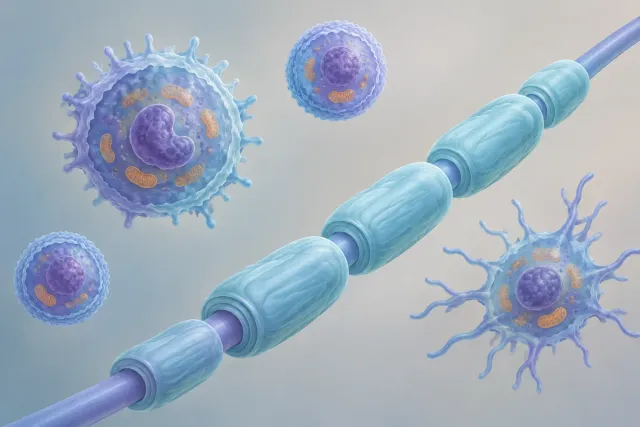
Review links immune cells' energy use to MS inflammation
A review links changes in how immune cells use energy to inflammation in MS and other autoimmune diseases.
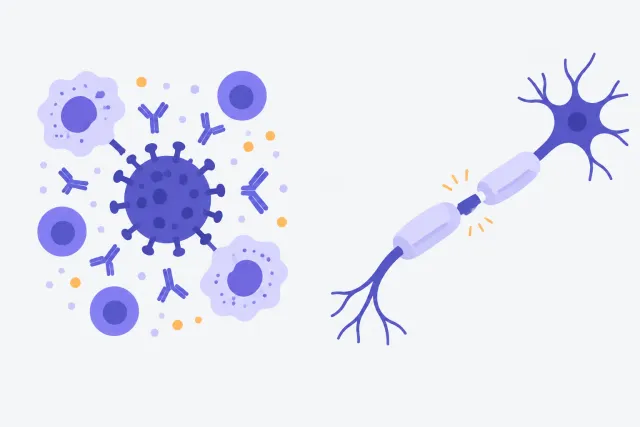
Epstein-Barr signs came before nerve injury signs in MS
People who later developed MS showed stronger responses to Epstein-Barr virus years before blood signs of nerve injury appeared.

Review examines immune proteins in MS and other diseases
A review found evidence that immune proteins may contribute to nerve damage in MS and other conditions, but treatments targeting them remain unproven.

MS: Timed treatment restored mouse myelin cell activity
In mice, a timed treatment restored the activity of myelin-making cells after damage, while cells from people with MS showed related changes.

Blocking an immune pathway eased MS-like disease in mice
Blocking a source of inflammation eased an MS-like disease in mice, but the treatment was not tested in people.

B-cell treatment linked to more gut immune cells in MS
During B-cell treatment, people with MS had more gut-linked immune cells in their blood and spinal fluid.

People with MS had stronger responses to Epstein-Barr virus
People with untreated MS had stronger immune responses to the Epstein-Barr virus than people without MS.
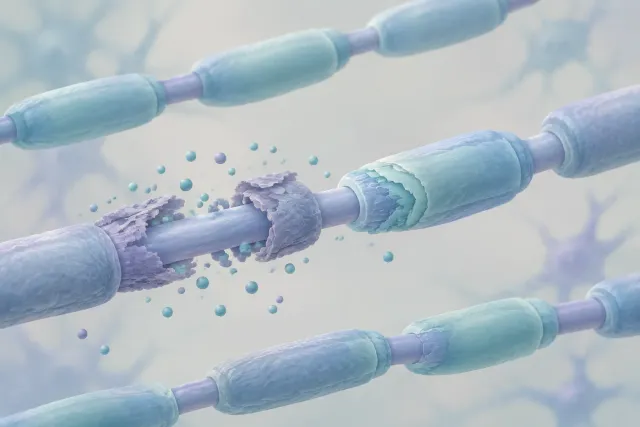
In mice, tiny particles helped repair MS-like nerve damage
In mice with MS-like nerve damage, a treatment using tiny particles helped repair nerve coverings.

In mice, two immune drugs reduced MS-like symptoms
In mice with an MS-like disease, blocking an immune cell target reduced symptoms, and adding a second drug reduced them further.

In mice, a lab treatment reversed MS-like leg paralysis
An experimental treatment reversed hind leg paralysis in mice with an MS-like disease.

Gut bacteria reduced MS-like inflammation in mice
Giving mice a gut bacterium reduced inflammation and the severity of their MS-like disease.

New lab method spots myelin changes in donated MS brains
A new lab method found changes in the nerve covering of donated MS brain tissue compared with tissue from people without MS.
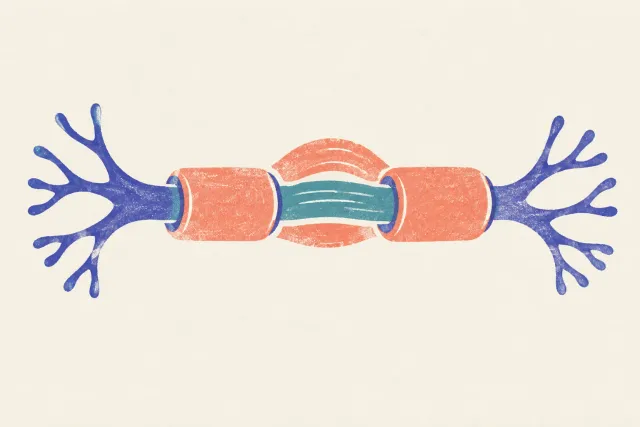
In mice, an experimental vaccine eased MS-like disease
An experimental vaccine reduced disease severity in mice with an MS-like disease.
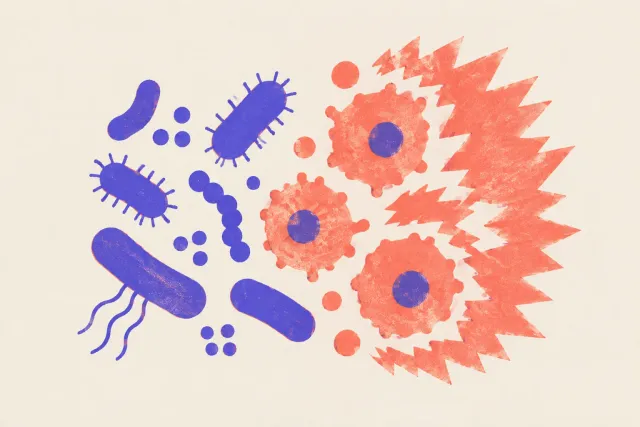
Gut bacteria reduced MS-like disease severity in mice
Mice with certain gut bacteria had milder MS-like disease and more immune cells that calm inflammation.
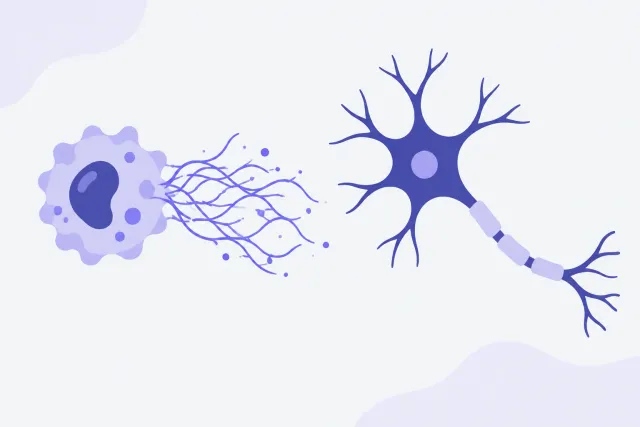
Review examines immune cell webs in MS and brain disease
This review examines how webs released by immune cells may contribute to MS and other brain disorders.

In mice, a particle treatment eased MS-like disease
In mice with an MS-like disease, particles attached to immune cells helped the animals recover and reduced inflammation in the brain and spinal cord.
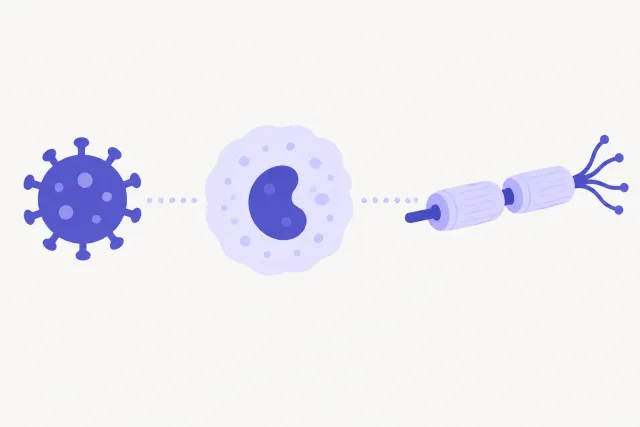
Review links a common virus to MS risk, not treatment
A review found strong evidence linking Epstein-Barr virus (a common virus) to MS risk, but virus-focused treatments remain under investigation.
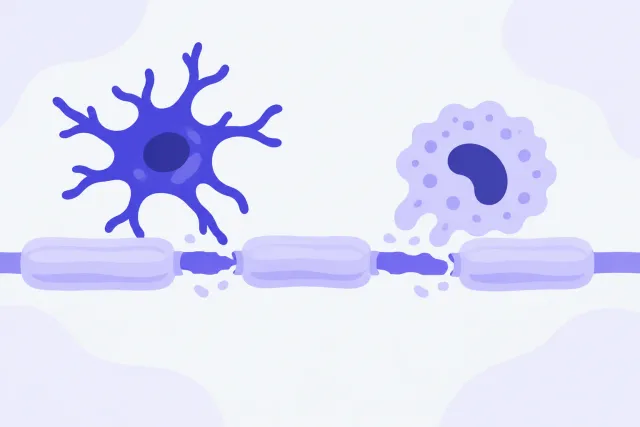
MS-related myelin damage: two immune cell states in mice
In mice, brain immune cells took two different states linked to damage to the covering around nerves.

High-fat, low-carb diet eased mouse nerve injury in MS study
In mice, a ketogenic diet (a high-fat, low-carb diet) eased nerve injury after researchers disrupted how myelin-making cells get energy.

Virus antibodies tracked MS flare-ups and brain lesions
In people with relapsing-onset MS, certain antibodies against the Epstein-Barr virus were linked to flare-ups or active brain lesions.
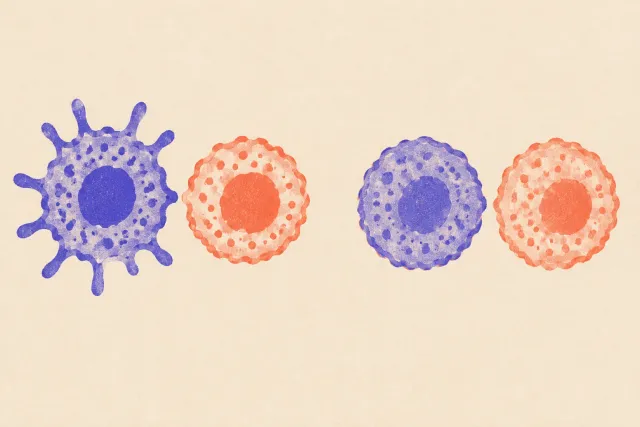
Immune cells from people with MS showed distinct changes
Immune cells from people with MS showed changes that were clearer before the cells were stimulated in a lab.

In mice, blocking myelin upkeep caused damage seen in MS
Removing a protein from myelin-making cells in adult mice caused myelin damage and an increase in immune cells in the brain.

Review calls for clearer studies of MS and other illnesses
This review says clearer rules for choosing participants could make studies of MS and other chronic illnesses more reliable.

Check out the MS Buddy app
It’s free, with no ads. Built by people living with MS.


More on MS Buddy
 MS clinical trialsTrials recruiting now, by state, phase or treatment.
 Browse MS centers by stateThe full directory, with a page for each state and city.
 MS terms explainedThe words you hear at appointments, in plain language.
 Questions for your doctorMore than 200, grouped by what is going on with you.