MS Research Roundup: April 2026
The multiple sclerosis research published in April 2026, explained in plain language. Studies are listed by how much they matter to people living with MS, most first.
The month at a glance
- 9 studies published this month.
- Newest study published April 29, 2026.
- 3 in people, 3 in the lab or in animals, 2 reviews of earlier research.
- Largest study: 5,000 people.
- Research from 20 institutions in 7 countries, including Cardiff University, LMU University Hospital and Ludwig-Maximilians-Universität München.
- Forms of MS studied: primary progressive (4), secondary progressive (4), relapsing-remitting (2).
Studies published in April 2026
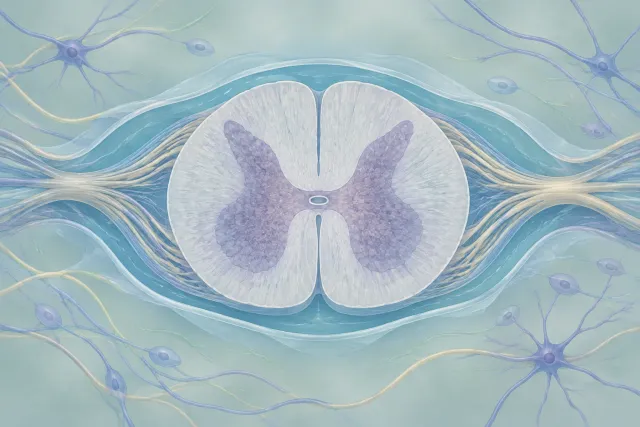
Spinal fluid test distinguished MS from similar diseases
Researchers studied spinal fluid from 5,000 people. A new protein test distinguished MS from related diseases, including challenging cases, in a separate group.

Spinal fluid revealed MS-related clues missed in blood
A study of blood and spinal fluid found little overlap in genetic links to protein levels. Spinal fluid revealed MS-related findings that blood analysis missed.

Eye scans found more retinal spots in people with MS
People with relapsing or progressive MS had more bright spots on eye scans. Higher spot counts were linked to findings across several areas on brain scans.

Progressive MS and a virus-linked disease share damage
A review compares progressive MS with a virus-linked spinal cord disease. It finds shared patterns of inflammation and nerve damage, despite different causes.

Review explores how low oxygen may drive MS worsening
This review examines whether low oxygen and energy shortages help sustain slow-burning inflammation as MS worsens. It reports no new treatment results.

In mice, immune signals were needed for MS-like disease
A mouse study found that immune cells needed to make two signals for an MS-like disease to develop. It did not test a treatment or include people with MS.

New MRI method tracks myelin-making cells in MS research
Researchers developed an MRI method to detect cells making new myelin. The study did not test a treatment or show whether the method works in people with MS.
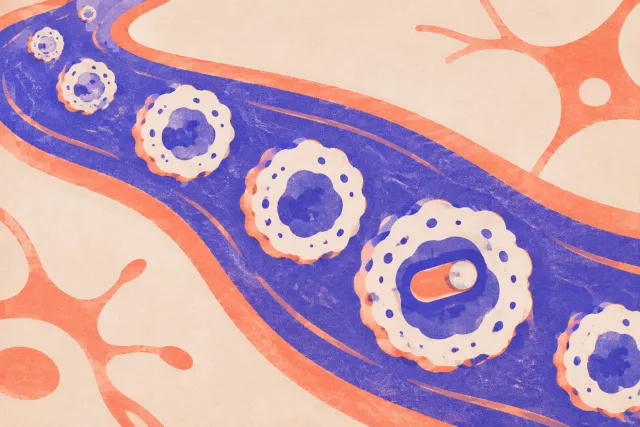
In mice, an immune switch helped MS-like disease develop
In mice, a switch in circulating immune cells helped an MS-like disease develop. Without it, those cells were less able to start an attack on nerve tissue.

New gene tool flags a change linked to MS risk in data
A new computer tool flagged a gene change linked to MS risk. It predicts the change may alter protein levels, but the study did not test an MS treatment.
Check out the MS Buddy app
Track symptoms, monitor wellness, and stay on top of your MS care. It’s free, with no ads. Built by people living with MS.

