MS Research Roundup: March 2026
The multiple sclerosis research published in March 2026, explained in plain language. Studies are listed by how much they matter to people living with MS, most first.
The month at a glance
- 15 studies published this month.
- Newest study published March 30, 2026.
- 4 in people, 7 in the lab or in animals, 2 reviews of earlier research.
- Largest study: 917,737 people.
- Research from 36 institutions in 9 countries, including Fudan University, Hangzhou Normal University and Keio University School of Medicine.
- Forms of MS studied: relapsing-remitting (1), secondary progressive (1).
Studies published in March 2026
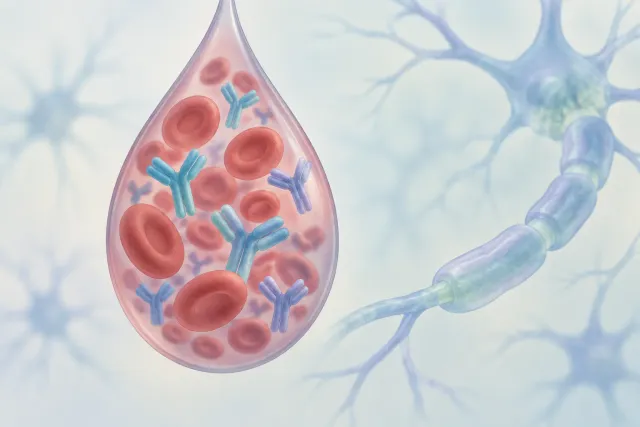
Blood test may help tell MS from look-alike diseases
Repeated blood tests found high virus antibody levels far more often in people with MS than in people with two look-alike conditions, across two patient groups.

MS risk: Gene and environment interactions remain unclear
A review links genes, vitamin D, and body weight to MS risk. It finds little clear evidence that genes and environmental factors interact to shape that risk.
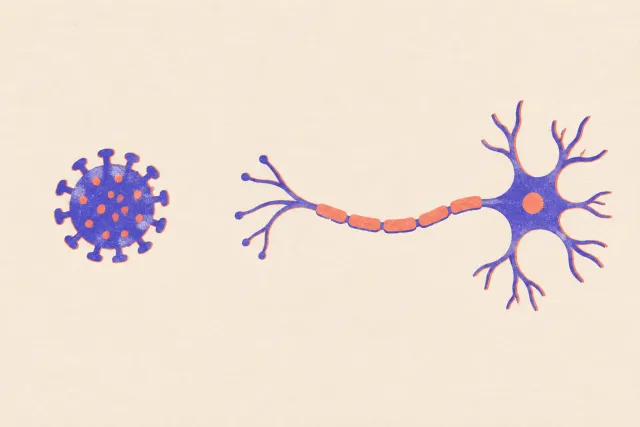
Higher Epstein-Barr virus levels were not tied to MS
A genetic analysis of three large databases did not link higher Epstein-Barr virus levels to MS risk, though it supported a link to Hodgkin's lymphoma.

Scans found signs of nerve connection loss in MS and mice
Scans found signs of fewer nerve connections in people with MS and mice with an MS-like disease. The human study compared 6 people with MS and 6 without MS.

Skull scan signal was higher in secondary progressive MS
In a study of people with and without MS, a skull scan signal was higher in secondary progressive MS and was linked to disability and brain tissue loss.

Proposed MS care model combines home and clinic visits
A proposed MS care model combines remote tracking with clinic visits. The article explains the plan, but reports no patient testing or measured health results.

New lab method maps cholesterol changes in MS brain tissue
A new lab method mapped many molecules in tissue and found changes in how cholesterol is processed near MS lesions in human brain tissue.

In mice, gut cells helped start an MS-like disease
In mice, gut lining cells helped start an MS-like disease by activating immune cells. Gut cells from people with MS showed similar changes in immune activity.

In mice, two drugs proposed for MS damaged myelin
In mice, dasatinib and quercetin together damaged myelin. Rat cells that make myelin also stopped working normally. The study did not include people with MS.
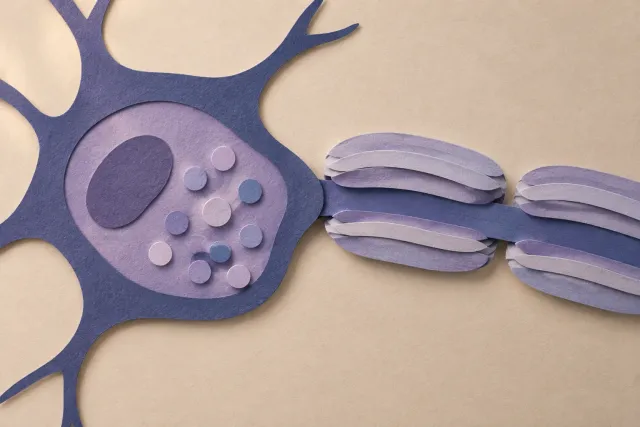
Mayzent limited a stress sign in mice with MS-like damage
In mice with MS-like myelin damage, Mayzent reduced a sign of stress in myelin-making cells. Donated MS brain tissue showed a similar change in those cells.

In mice, ganciclovir helped repair MS-like myelin damage
In mice, removing a cell signal sped myelin repair, and ganciclovir helped myelin regrow after damage. Donated MS brain tissue also showed the signal.
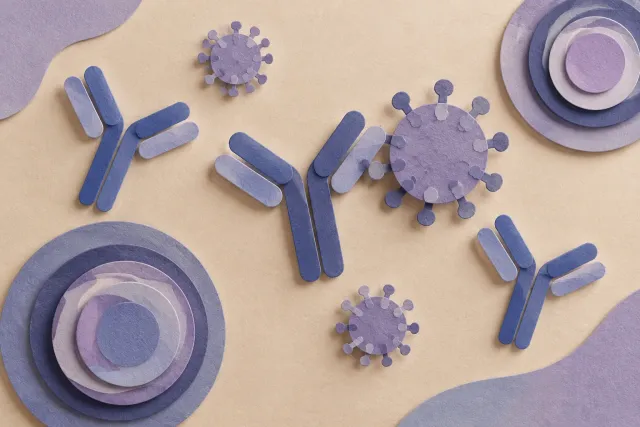
Review links virus-related antibodies to higher MS risk
A review links antibodies related to the Epstein-Barr virus with higher MS risk. It examines studies of blood, spinal fluid, and brain samples from people with MS.

In mice, removing an enzyme worsened MS-like disease
Brain scans linked inflammation with certain chemicals in people with MS. In mice, removing an enzyme from immune cells worsened an MS-like disease.
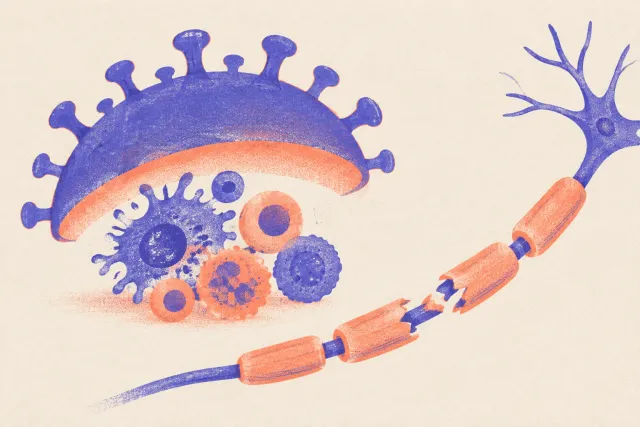
Epstein-Barr virus may help immune cells survive in MS
The article says Epstein-Barr virus lets immune cells survive in the brain and spinal cord, possibly linking infection to damage of the nerve covering in MS.

New test tracks myelin repair in mice with MS-like damage
A new lab method tracked fats made during myelin repair in mouse brains after damage. The study did not test a treatment or include people with MS.
Check out the MS Buddy app
Track symptoms, monitor wellness, and stay on top of your MS care. It’s free, with no ads. Built by people living with MS.

