MS Research Roundup: August 2025
The multiple sclerosis research published in August 2025, explained in plain language. Studies are listed by how much they matter to people living with MS, most first.
The month at a glance
- 13 studies published this month.
- Newest study published August 30, 2025.
- 4 in people, 6 in the lab or in animals, 2 reviews of earlier research.
- Largest study: 4,998 people.
- Research from 66 institutions in 17 countries, including Karolinska Institutet, Aix Marseille Univ and and University Hospital Kralovske Vinohrady.
- Forms of MS studied: relapsing-remitting (3), secondary progressive (1).
- Symptoms studied: mood changes (2), pain and discomfort (1).
- Of the 3 studies in people that tested a treatment, 2 had mixed results.
Studies published in August 2025

MS relapses rose with longer Tysabri pregnancy breaks
In a study of women with MS, longer Tysabri breaks around pregnancy were linked to more relapses. A B-cell drug plan before pregnancy had the lowest relapse rate.

Stem cell transplants cut MS relapses more than two drugs
In people with relapsing MS, stem cell transplants were linked to fewer relapses and more disability improvement than Mavenclad or Lemtrada in matched groups.
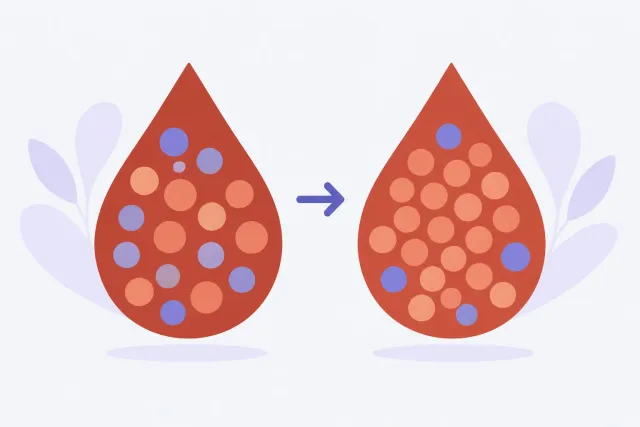
MS treatment changed blood cells linked to inflammation
In blood samples from people with MS, inflammation-linked immune cells became more common after treatment that reduces B cells. The study did not test symptoms.
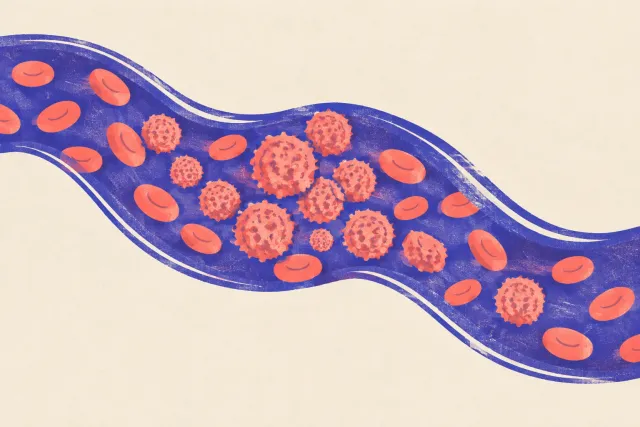
Blood immune cells rose during MS relapses in study
People having an MS relapse had more of a certain immune cell in their blood. Mouse tests explored how those cells may affect an MS-like disease and B cells.
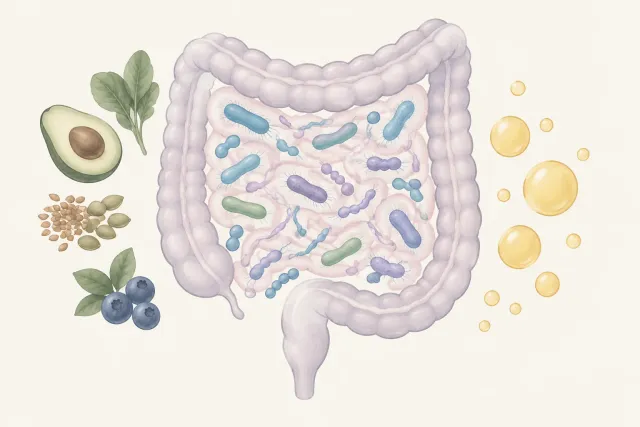
Review explores high-fat, low-carb diets and the gut in MS
This review explores how a high-fat, low-carb diet affects the gut, including gut microbes in MS and other conditions. It reports no new MS treatment results.

MS brain tissue can change even outside visible lesions
This review describes changes in MS brain tissue that looks normal, beyond visible lesions, and discusses how these changes may relate to worsening disability.

Depression-related genes linked to more MS relapses
Among 3,420 adults with MS, higher inherited depression risk was linked to more relapses. In the US group, it was also linked to disability worsening.

Metformin boosted myelin in MS-related cells and mice
Metformin increased myelin production in lab models using human cells. Donated brain tissue showed similar changes, but no MS treatment trial was done.

In cells, blocking an immune signal reduced MS-linked harm
In lab tests, blocking an immune signal reduced harmful cell activity. Blood and spinal fluid tests linked that signal to inflammation in people with MS.

In MS-like mice, blocking harmful by-products eased pain
In mice with an MS-like disease, blocking harmful by-products reduced pain and anxiety-like behavior. The study did not test these treatments in people with MS.
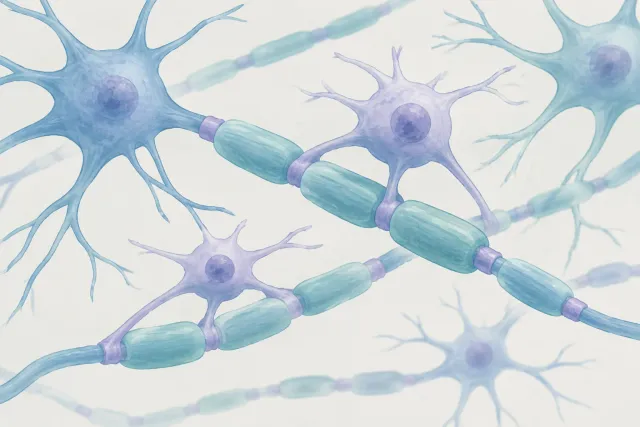
In mice, faulty cells slowed myelin repair; MS untested
Mouse and cell studies found that faulty support cells slowed myelin repair in a rare brain disorder. The researchers did not study people with MS directly.
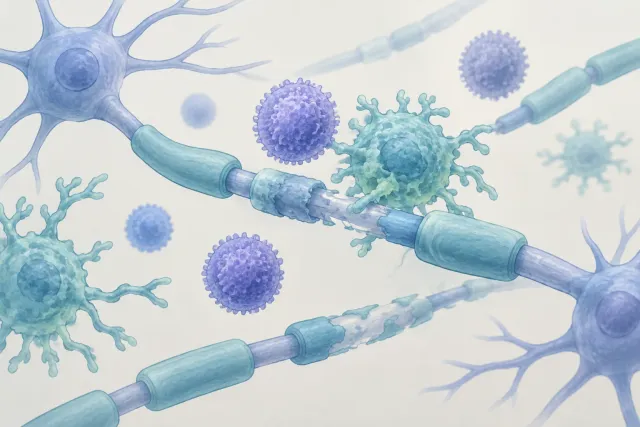
Mice lacking an immune brake had worse MS-like disease
In mice with an MS-like disease, losing a gene that helps control immune cells led to worse disease and more inflammation. The study did not test people with MS.
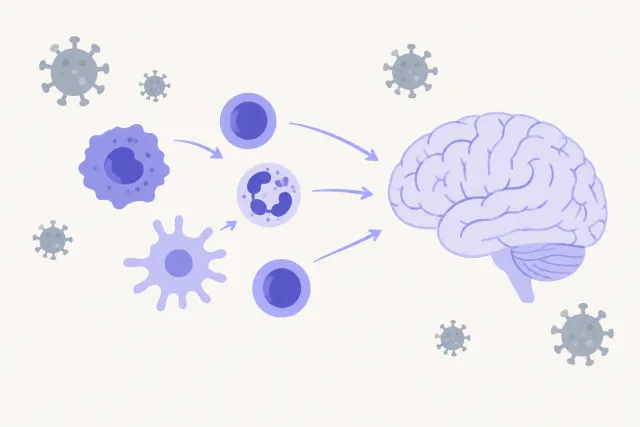
In mice, an MS-linked virus drew immune cells into the brain
In mice with human immune cells, Epstein-Barr virus drew immune cells into the brain. Rituximab and blocking a cell-guiding signal reduced that buildup.
Check out the MS Buddy app
Track symptoms, monitor wellness, and stay on top of your MS care. It’s free, with no ads. Built by people living with MS.

