MS Research Roundup: July 2025
The multiple sclerosis research published in July 2025, explained in plain language. Studies are listed by how much they matter to people living with MS, most first.
The month at a glance
- 8 studies published this month.
- Newest study published July 29, 2025.
- 4 in people, 3 in the lab or in animals, 1 review of earlier research.
- Largest study: 41,505 people.
- Research from 26 institutions in 12 countries, including Cleveland Clinic, Amsterdam University Medical Center and Leopold-Franzens-University Innsbruck.
- Forms of MS studied: relapsing-remitting (2), primary progressive (1), secondary progressive (1).
- One study in people tested a treatment and found no difference.
Studies published in July 2025

Trial drug did not improve scores in two MS studies
In two MS trials, elezanumab did not improve the main study score for people with relapsing or progressive MS. Serious health problems occurred at similar rates.

Older adults with MS face harder treatment decisions
A review explains why diagnosing and tracking MS can get harder with age, and why limited evidence makes treatment decisions difficult for older adults with MS.

MRI finds different brain loss in MS and look-alikes
An MRI study compared 293 people with MS, two MS look-alike conditions, or no disease. Brain and spinal cord shrinkage differed across the groups over time.
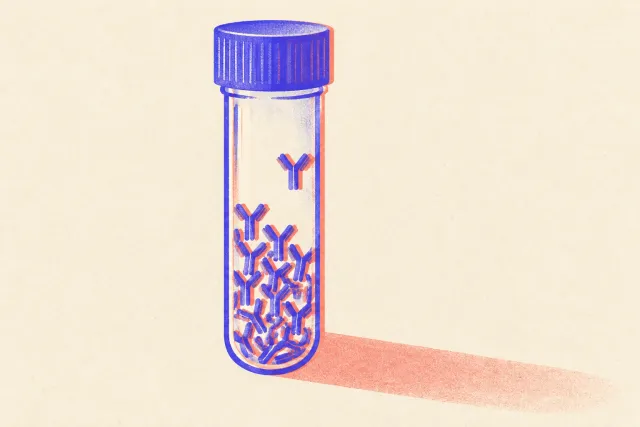
Blood test found early signs of future relapsing MS
In blood samples from people with and without relapsing MS, certain antibody levels were higher years before diagnosis. The test's ability to predict MS remains unclear.

Genetic study identifies 18 possible MS drug targets
Researchers used genetic and protein data to identify 18 possible MS drug targets. Existing drugs target some of them, but the study did not test treatments.

Removing immune cells eased MS-like disease in mice
Brain tissue from people with progressive MS and mice showed long-lasting immune cells in inflamed areas. Removing two immune cell groups eased illness in mice.

In mice, blocking an immune signal eased an MS look-alike
In mice with a condition often mistaken for MS, blocking an immune signal reduced disease severity and brain cell damage. The study did not test people.

Stem cell transplants repaired MS-like damage in mice
In mice with damaged nerve covering, transplanted stem cells helped form new covering. The study did not test whether this repair happens in people with MS.
Check out the MS Buddy app
Track symptoms, monitor wellness, and stay on top of your MS care. It’s free, with no ads. Built by people living with MS.

