MS Research Roundup: September 2025
The multiple sclerosis research published in September 2025, explained in plain language. Studies are listed by how much they matter to people living with MS, most first.
The month at a glance
- 11 studies published this month.
- Newest study published September 29, 2025.
- 4 in people, 4 in the lab or in animals, 2 reviews of earlier research.
- Largest study: 1,461 people.
- Research from 35 institutions in 11 countries, including and Vita e Salute San Raffaele University, Barzilai University Medical Center and Capital Medical University.
- Forms of MS studied: relapsing-remitting (1).
- Of the 2 studies in people that tested a treatment, 1 reported a benefit and 1 had mixed results.
Studies published in September 2025

People with MS on rituximab had more hospital stays
In California health records, people with MS taking rituximab had more hospital stays and more low levels of infection-fighting proteins than those on Ocrevus.

Menopause did not speed up disability in women with MS
In a study of women whose MS began with relapses, menopause was not linked to faster disability worsening or a higher risk of secondary progressive MS.

Spinal fluid tests helped tell MS from look-alikes
A study of spinal fluid samples found markers that helped tell MS from two look-alike conditions during flare-ups. It did not test whether care improved.

MS blood and spinal fluid had more active immune cells
A study comparing people with MS and other nerve conditions found more inflammation-linked immune cells in MS blood and spinal fluid. Drug tests were in the lab.

Two diets lowered a measured aging score in MS studies
A second look at two diet studies found lower aging scores after a modified ketogenic diet or intermittent calorie restriction in people with MS, but not daily cuts.

MS lab model: Drugs boosted myelin repair in cells
In lab-grown human brain tissue, three compounds increased myelin repair only when immune cells were present. The study did not test treatments in people with MS.

Interferon beta reduced MS-like disease signs in mice
Interferon beta reduced MS-like disease in mice. Cell tests and samples from people with MS suggest why some may not respond to this treatment.
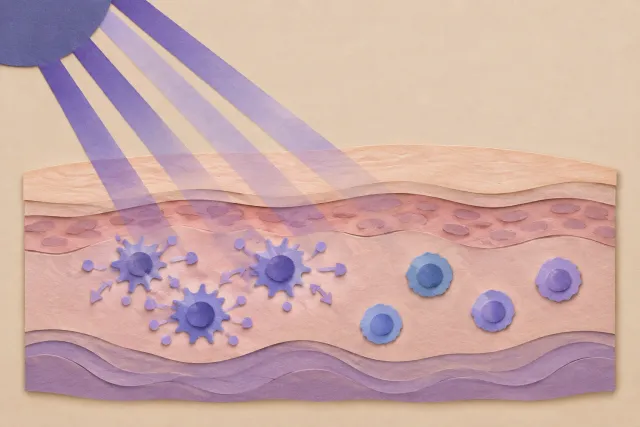
Ultraviolet light eased MS-like illness in some mice
In mice, ultraviolet light eased MS-like illness only when certain skin immune cells could respond. The study did not test this treatment in people with MS.
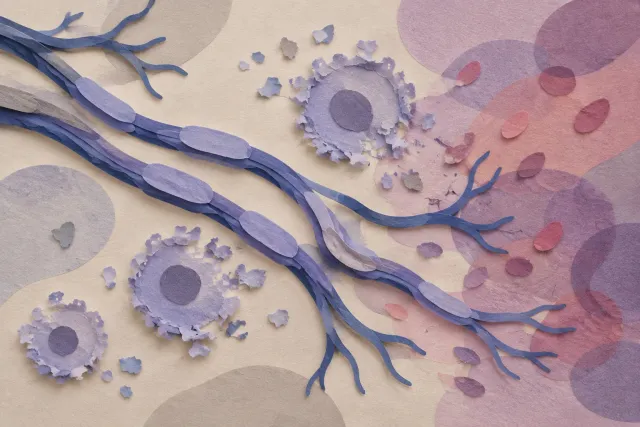
Review links cell death to nerve damage across MS stages
A review examines how dying cells may add to inflammation and nerve damage in MS. It discusses drugs under study but reports no new treatment test in people.

Blocking an immune switch slowed MS-like disease in mice
In mice, blocking an immune switch slowed MS-like disease. Lab tests also found lower signs of immune activity in cells from people with MS.

Review examines immune cells linked to MS inflammation
A review examines immune cells linked to MS and other autoimmune diseases, including what shapes their activity and treatments aimed at related inflammation.
Check out the MS Buddy app
Track symptoms, monitor wellness, and stay on top of your MS care. It’s free, with no ads. Built by people living with MS.

