MS Research Roundup: December 2024
The multiple sclerosis research published in December 2024, explained in plain language. Studies are listed by how much they matter to people living with MS, most first.
The month at a glance
- 12 studies published this month.
- Newest study published December 24, 2024.
- 5 in people, 3 in the lab or in animals, 4 reviews of earlier research.
- Largest study: 11,991 people.
- Research from 54 institutions in 14 countries, including the University of Toronto, Erasmus Medical Center and Amsterdam University Medical Center.
- Forms of MS studied: primary progressive (3), relapsing-remitting (3), secondary progressive (3).
- One study in people tested a treatment and reported harm.
Studies published in December 2024

Stopping MS drugs raised brain scan activity in stable MS
In a trial of 89 adults with stable MS, stopping first-line treatment led to more new brain scan changes than continuing treatment. The trial ended early.

When to lower or stop MS treatment remains uncertain
A workshop review examined when people with MS might lower or stop treatment. It discusses aging, pregnancy, childhood-onset MS, and gaps in the evidence.
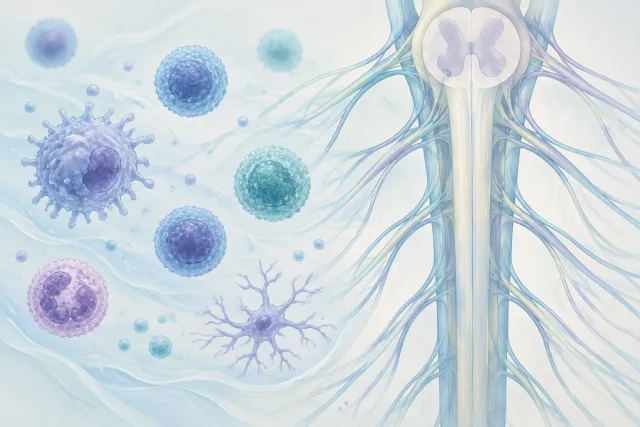
Spinal fluid cell test found patterns tied to progressive MS
A study of spinal fluid immune cells found patterns linked to progressive MS and disability. Researchers checked the patterns in a separate patient group.
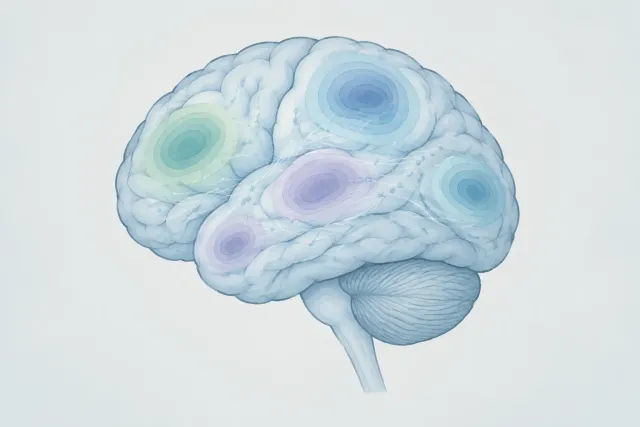
Slow-growing brain spots distinguish childhood MS
Repeat scans of 33 children found slowly growing spots in 16 with childhood MS, but just one spot in a group with a condition often mistaken for MS.

Brain scans find early energy changes in MS nerve tissue
Brain scans found changes in energy use in tissue that looked normal in MS. Changes appeared early and were greater with longer disease duration and disability.

MS hormone research leaves gender-diverse people out
A discussion of hormones and MS finds that research has largely left out gender-diverse people. It remains unclear how hormone treatments affect their MS care.
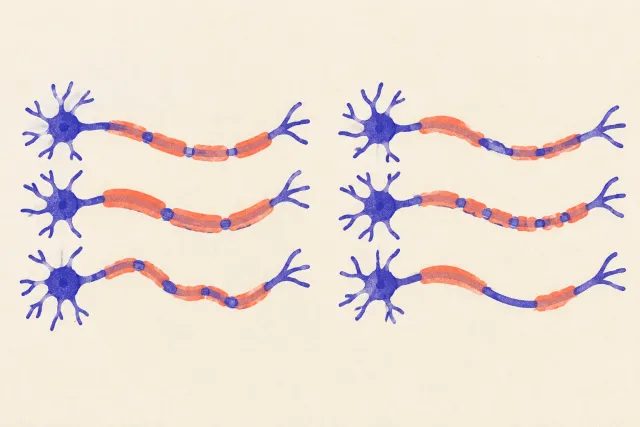
MS brain tissue shows signs linked to myelin repair
Researchers studied donated brain tissue from 239 people with MS. They found different patterns of gene activity linked to stronger or weaker myelin repair.
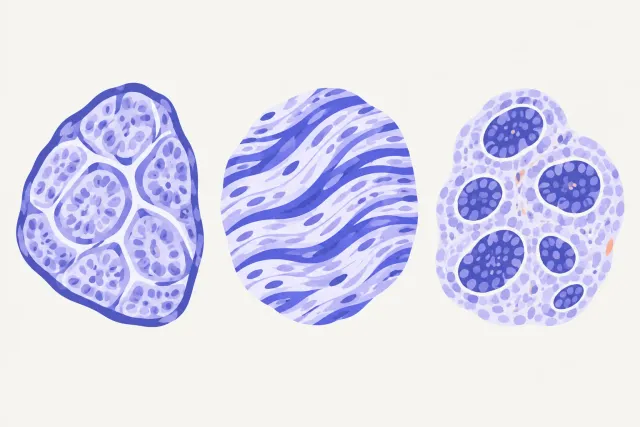
New lab method finds differences between progressive MS brains
A lab study of donated brain tissue found that patterns of gene activity differed more between people with MS than between types of lesions in the same brain.

Review: Immune cells drive MS, worsen other diseases
A review describes how immune cells drive MS and add to damage in other brain and nerve diseases. It explores treatment targets shared across these diseases.

Spinal fluid immune cells share patterns relevant to MS
Immune cells in spinal fluid showed similar patterns across inflammatory brain and nerve disorders. Researchers say the findings may guide future MS drug research.
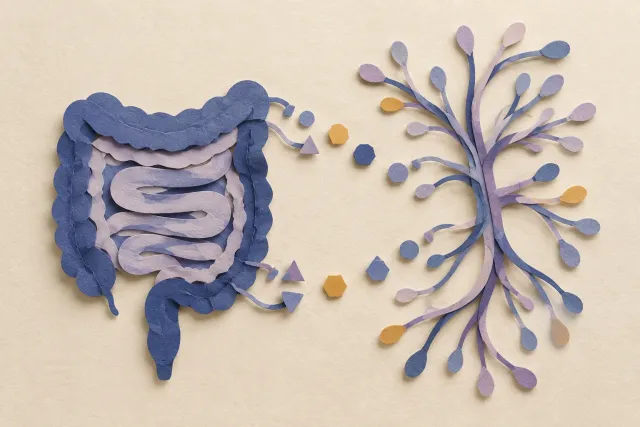
A gut-made chemical prevented MS-like disease in mice
In mice with an MS-like disease, a substance made by nerve cells eased illness, while the same substance from immune cells helped start it. Butyrate also prevented it.
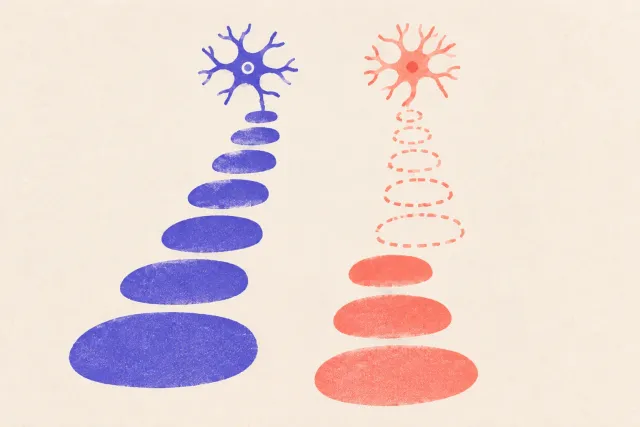
MS treatment lessons may guide Parkinson drug research
Researchers discuss how lessons from MS drug development might guide Parkinson disease research. This article proposes research paths but tests no treatments.
Check out the MS Buddy app
Track symptoms, monitor wellness, and stay on top of your MS care. It’s free, with no ads. Built by people living with MS.

