MS Research Roundup: January 2025
The multiple sclerosis research published in January 2025, explained in plain language. Studies are listed by how much they matter to people living with MS, most first.
The month at a glance
- 12 studies published this month.
- Newest study published January 28, 2025.
- 3 in people, 7 in the lab or in animals, 1 review of earlier research.
- Largest study: 6,321 people.
- Research from 79 institutions in 14 countries, including IRCCS San Raffaele Scientific Institute, Aichi Medical University and Careggi University Hospital.
- Forms of MS studied: childhood-onset (1), primary progressive (1), relapsing-remitting (1).
Studies published in January 2025

Stem cell transplant backed after relapsing MS drugs fail
Experts generally support stem cell transplants for aggressive relapsing MS after strong drugs fail. Guidance for progressive MS and an MS look-alike is less clear.

Brain scans show early differences in children with MS
Brain scans of children with MS showed early changes near the brain’s fluid spaces. These changes were linked to brain damage, but not to disability in children.

New spinal fluid cell map finds MS-linked immune cells
Researchers mapped spinal fluid and blood cells from 139 people with MS, other illnesses, or no illness. One immune cell type was more common in MS than in healthy people.
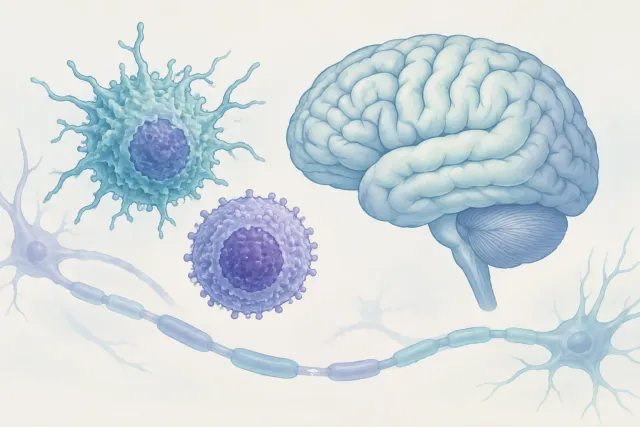
Brain gene study links MS to two types of immune cells
A study of genetic and brain data linked MS to T cells and B cells. Researchers compared cell links across several brain disorders but tested no treatments.
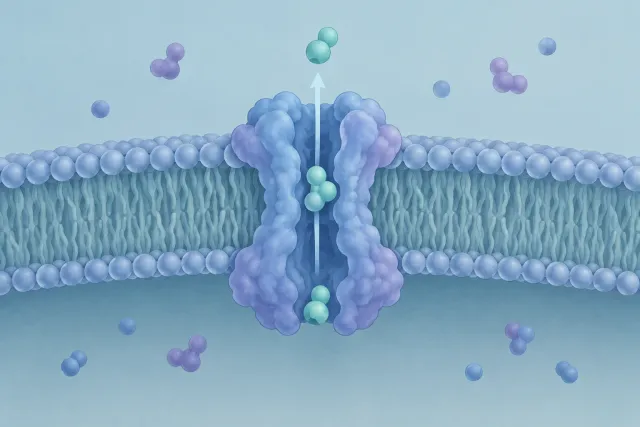
Lab study maps how the MS drug Gilenya leaves cells
A lab study shows how a cell protein moves a form of the MS drug Gilenya out of cells. It also explores why changes to that protein are linked to hearing loss.

MS-like damage in mice: Drug sped visual brain signals
In mice with myelin loss, an experimental drug sped recovery of visual brain signals more than clemastine. The study did not include people with MS.

New brain cell map spots an immune shift in MS tissue
A map of brain immune cells found one cell group was more common in MS and Alzheimer's disease samples. A separate test confirmed the increase only in Alzheimer's.

MS study: A drug helped mice repair damaged myelin
In an MS-related study, bryostatin-1 helped mice repair damaged myelin. Lab tests also found changes in immune cells. It was not tested in people with MS.
In mice, drugs helped repair myelin damage seen in MS
Drugs helped repair damaged nerve covering in mice. The study also found a signal that helps repair, but it did not test the drugs in people with MS.
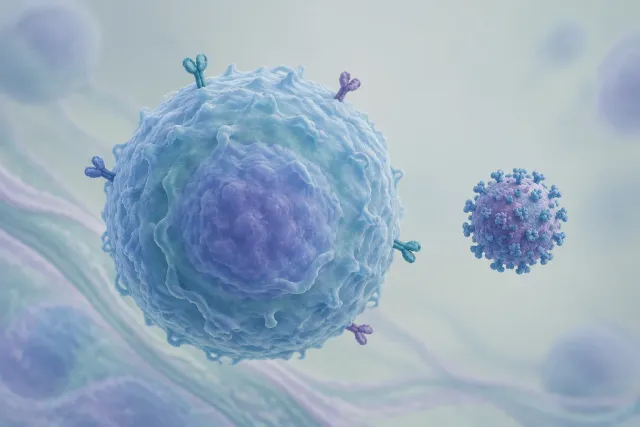
In lab cells, an MS-linked virus removed immune sensors
In lab-grown immune cells, a protein from the Epstein-Barr virus removed cell-surface sensors. The study did not test people with MS or any MS treatment.
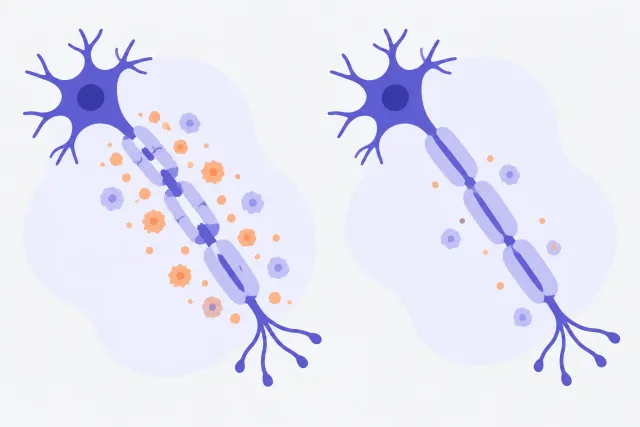
In mice, removing a protein reduced MS-like nerve damage
In mice with an MS-like disease, removing a protein from the nervous system reduced inflammation, damage to nerve coverings and fibers, and nerve cell loss.

MS included in blood virus study; links found elsewhere
A study of blood DNA included people with MS, but reported virus links only for lupus, rheumatoid arthritis, a rare lung disease, and COVID-19, not MS.
Check out the MS Buddy app
Track symptoms, monitor wellness, and stay on top of your MS care. It’s free, with no ads. Built by people living with MS.