MS Research Roundup: June 2025
The multiple sclerosis research published in June 2025, explained in plain language. Studies are listed by how much they matter to people living with MS, most first.
The month at a glance
- 14 studies published this month.
- Newest study published June 30, 2025.
- 3 in people, 8 in the lab or in animals, 3 reviews of earlier research.
- Largest study: 273 people.
- Research from 55 institutions in 16 countries, including University Medical Center of the Johannes Gutenberg University Mainz, the University of California, San Francisco and Institute of Neuroscience.
- Forms of MS studied: relapsing-remitting (1).
- Of the 2 studies in people that tested a treatment, 1 reported a benefit.
Studies published in June 2025
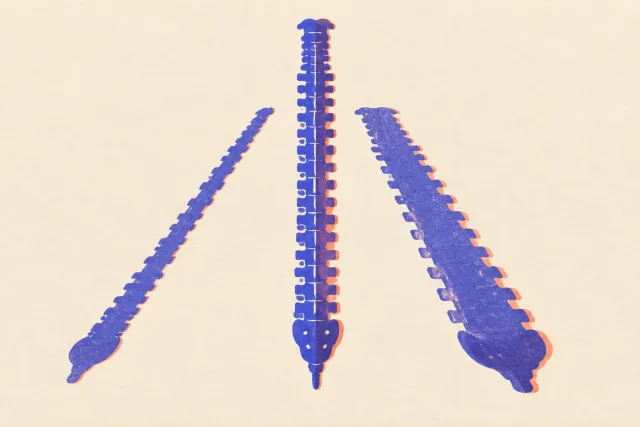
Steroids reduced misleading spinal cord shrinkage in MS
In 123 people newly diagnosed with MS, earlier high-dose steroids were linked to less misleading spinal cord shrinkage on scans after MS treatment began.

More Ocrevus doses linked to slower immune cell return in MS
In 101 people with MS taking Ocrevus, more total doses were linked to a slower return of certain immune cells. Researchers also tracked age, sex, and scans.

MS review describes treatment gains and future goals
A review describes advances in MS treatment and research into prevention and repair. Its authors say most newly diagnosed people can expect life without disability.
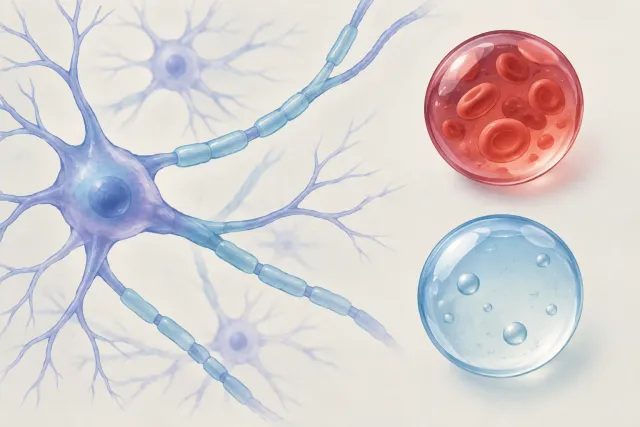
Blood and spinal fluid clues predicted MS symptoms
In 273 people with scan signs of possible MS but no symptoms, blood and spinal fluid findings were linked to later symptoms. Sunlight exposure was also linked to risk.
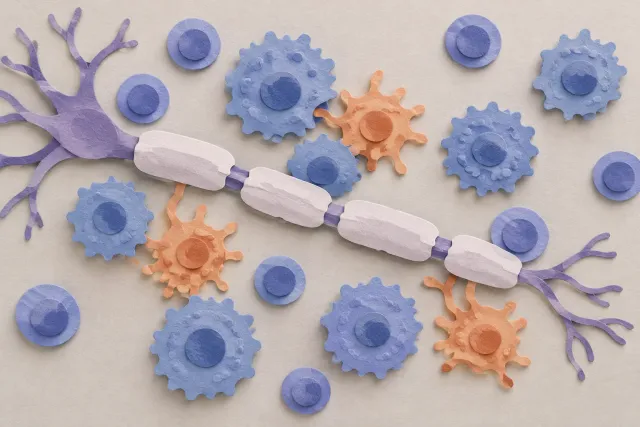
B-cell treatment shifted immune cells linked to MS inflammation
An article describes how B-cell treatment changed immune cells in MS, including fewer cells that react to myelin. It does not report relapse or disability results.

Blocking cell death reduced MS-like damage in mice
Blocking a cell death process reduced nerve covering damage and inflammation in mice. Donated brain tissue from people with MS showed signs of the same process.
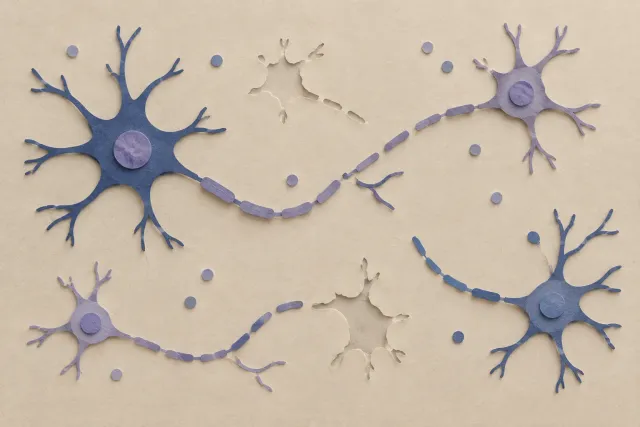
Progressive MS brain tissue and mice lost key nerve cells
Donated brain tissue from people with progressive MS and tissue from mice with an MS-like disease showed nerve cell loss and weaker cell energy activity.

In mice, nasal treatment eased MS-like brain damage
In mice with an MS-like disease, a nasal treatment calmed inflammation and helped damaged areas heal. Researchers also studied spinal fluid from people with MS.

In mice, Fycompa reduced MS-like disease severity
Fycompa reduced MS-like disease severity in mice by keeping immune cells in lymph nodes. Blood measurements in people with epilepsy did not test MS outcomes.

MS-like myelin loss fell in treated mice and monkeys
In mice with an MS-like disease and in marmosets, 2-D08 (an experimental compound) reduced myelin loss. The study did not test whether it helps people with MS.
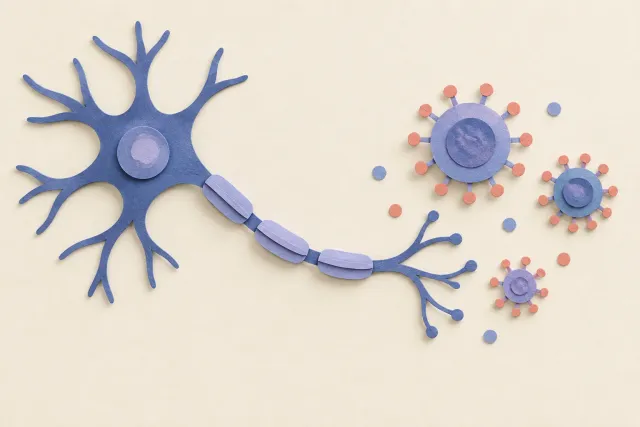
Review proposes monkey models to study MS virus link
A review proposes monkey models to study the Epstein-Barr virus and MS. It considers known risk factors, but reports no tests of the proposed models or treatments.

In MS-like mice, immune cells increased near smell nerves
In mice with an MS-like disease, immune cells increased near smell nerves. Nearby skull bone marrow changed and received material draining from the brain.
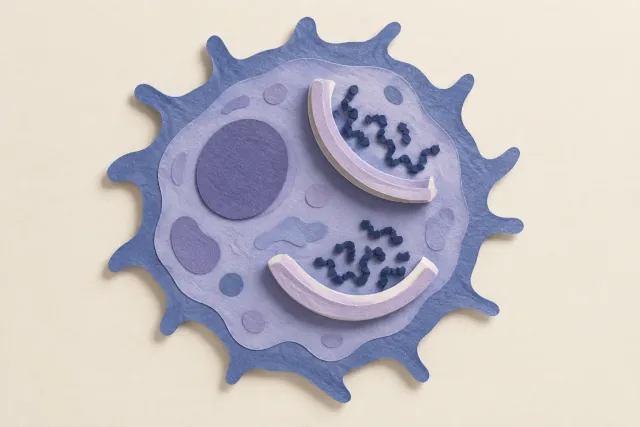
In lab cells, defenses held back an MS-linked virus
A lab study found two cell defenses that held back genes from a virus linked to MS. Removing either defense let the virus turn on key genes in infected cells.

Gene removal in immune cells eased MS-like disease in mice
In mice, removing a gene from immune cells reduced MS-like disease and bowel inflammation. Those cells grew less and had more DNA damage. No people were studied.
Check out the MS Buddy app
Track symptoms, monitor wellness, and stay on top of your MS care. It’s free, with no ads. Built by people living with MS.

