MS Research Roundup: March 2025
The multiple sclerosis research published in March 2025, explained in plain language. Studies are listed by how much they matter to people living with MS, most first.
The month at a glance
- 13 studies published this month.
- Newest study published March 27, 2025.
- 5 in people, 6 in the lab or in animals, 2 reviews of earlier research.
- Largest study: 1,311 people.
- Research from 29 institutions in 7 countries, including Duke University Medical Center, Ehime University Graduate School of Medicine and Hôpitaux Universitaires Pitié Salpêtrière - Charles Foix.
- Forms of MS studied: first attack (1), relapsing-remitting (1).
- Of the 3 studies in people that tested a treatment, 1 reported harm and 1 had mixed results.
Studies published in March 2025

High-dose vitamin D cut new lesions after first MS attack
In a trial after a first MS-like attack, high-dose vitamin D reduced new brain lesions over 24 months. It did not clearly reduce relapses or other clinical outcomes.

MS blood samples had more virus and brain antibodies
A study comparing people with and without MS found higher levels of certain virus and nervous system antibodies in the MS group. It did not test a treatment.

Review examines how MS may affect women's heart health
This review explores how MS, headache disorders, and diseases affecting blood flow in the brain may influence heart function in females and shape heart care.

Gut bacteria balance may mark MS in people and mice
People with MS and mice with an MS-like disease had a lower balance of two gut bacteria. The study does not show whether a stool test can diagnose MS.
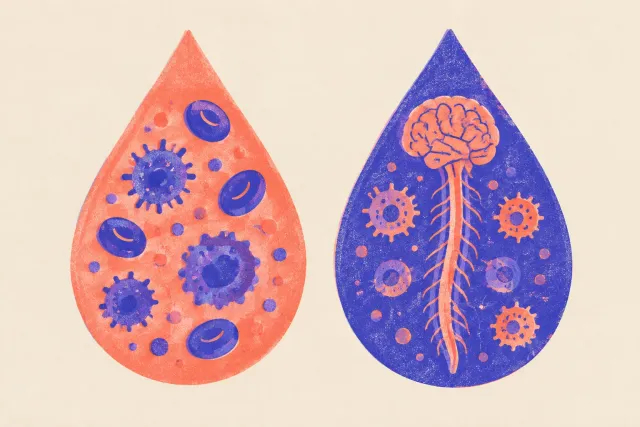
B-cell treatment changed immune cells in people with MS
A study of people with MS found changes in immune cells in blood and the fluid around the brain and spine after treatment that reduces B cells.
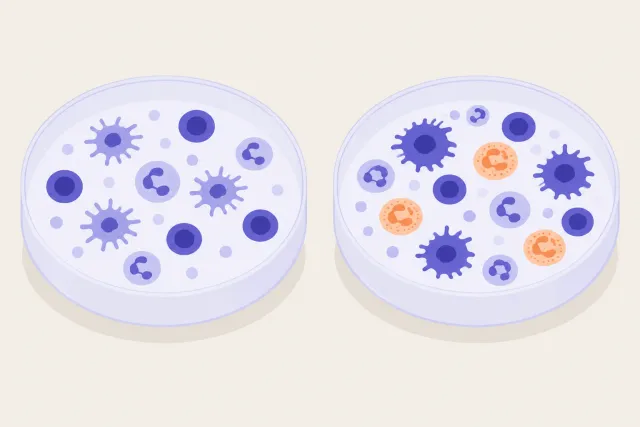
MS look-alike had different immune cells than MS
In spinal fluid, people with an MS look-alike had different immune cells than people with MS. Lab work explored how some of those cells made antibodies.
New lab test finds signs tied to MS after first attack
A new lab test found blood markers linked to disease activity and treatment response after a first MS-like attack. It is not yet a proven prediction tool.

High-fat diet prevented an MS-like disease in mice
In mice, a high-fat diet prevented an MS-like disease, while a high-carbohydrate diet made it worse. Country-level food supply was also linked to MS rates.

New lab images find a virus in progressive MS brains
Lab images of brain tissue found signs of the Epstein-Barr virus in progressive MS lesions and showed nearby changes in brain and immune cells in the tissue.

Review links an immune trigger to damage in MS brains
A review discusses how an immune response may drive brain inflammation and nerve damage in MS and other diseases. It does not test a treatment for MS.
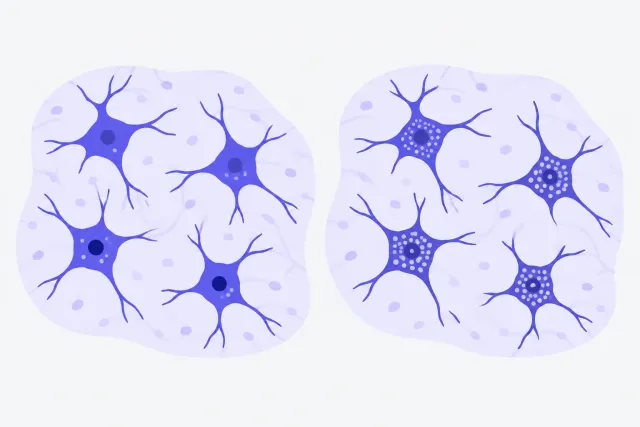
Donated MS brains show more DNA changes in lesion cells
A study of donated brains found that nerve cells in long-standing MS lesions gained DNA changes faster than cells in other MS tissue or brains without MS.

Past virus infection tied to worse MS-like illness in mice
Mice given immune cells from donors with past Epstein-Barr virus infection had worse MS-like symptoms and more inflammation-driving cells in the brain and spinal cord.
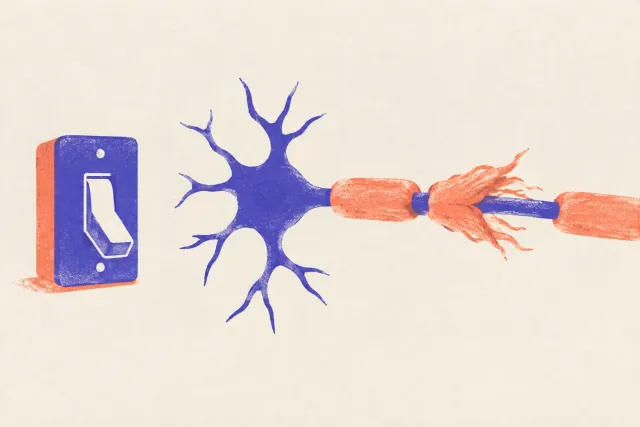
Turning off a gene worsened MS-like disease in mice
Turning off a gene in certain brain cells worsened MS-like disease in mice. Tissue from people with MS showed signs of a disrupted cell cleanup process.
Check out the MS Buddy app
Track symptoms, monitor wellness, and stay on top of your MS care. It’s free, with no ads. Built by people living with MS.

