MS Research Roundup: May 2025
The multiple sclerosis research published in May 2025, explained in plain language. Studies are listed by how much they matter to people living with MS, most first.
The month at a glance
- 9 studies published this month.
- Newest study published May 28, 2025.
- 1 in people, 6 in the lab or in animals, 2 reviews of earlier research.
- Largest study: 9 people.
- Research from 34 institutions in 5 countries, including Azienda Ospedaliera Universitaria Luigi Vanvitelli, Johns Hopkins University of Arts and Sciences and Ludwig-Maximilians-Universität München.
- Forms of MS studied: primary progressive (1), secondary progressive (1).
- Symptoms studied: difficulty walking (1), pain and discomfort (1).
- One study in people tested a treatment and reported harm.
Studies published in May 2025

Clemastine linked to faster disability in progressive MS
In a small progressive MS trial, disability worsened faster with clemastine than in other participants. The clemastine group stopped after safety concerns arose.

Structural racism may shape MS risk and disability
A review explores how structural racism may help explain differences in MS risk, disability, and deaths among Black, Hispanic, and white people in the USA.
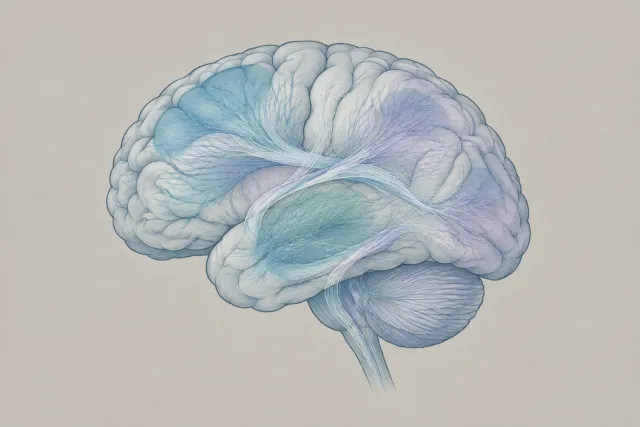
Brain scan method may help track MS changes over time
A review explores a brain scan method for tracking changes in MS and other brain disorders. It does not show how accurately the method predicts changes.

In relapsing MS, immune cells sent less calming signal
In a lab study, immune cells from people with relapsing MS sent less of a calming signal. Lower levels were linked to disability and active spots on brain scans.
In donated MS brains, lost nerve links tracked shrinkage
A study of donated brains linked shrinkage in a deep brain area in MS to damaged nerve connections and changes in immune cells, but not to myelin loss.

In MS-like mice, treatment helped or hurt movement
In mice with MS-like disease, activating an immune switch eased nerve pain. Movement improved with two X chromosomes but worsened with an X and a Y chromosome.
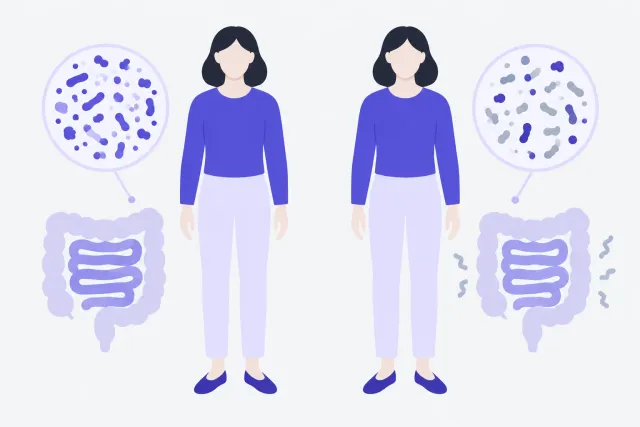
Gut bacteria from MS twins triggered MS-like disease in mice
Researchers compared gut bacteria from 81 identical twins, then tested samples in mice. Bacteria from twins with MS triggered MS-like disease more often.
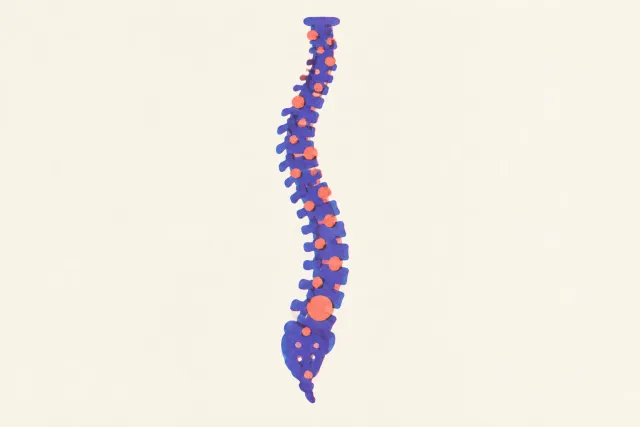
New lab method maps spinal cord fats in MS-like mice
A new lab method mapped fat changes in spinal cord damage in mice with an MS-like disease. The study examined mouse tissue, not people living with MS.

Removing an immune cell switch eased MS-like disease in mice
In mice with an MS-like disease, removing Mac-1 from certain immune cells reduced disease severity and aided recovery. The study did not include people with MS.
Check out the MS Buddy app
Track symptoms, monitor wellness, and stay on top of your MS care. It’s free, with no ads. Built by people living with MS.

