MS Vision Research
Updated
For 1 in 4 people with MS, the first symptom they noticed was optic neuritis, an inflammation of the nerve behind the eye. It can cause blind spots or poor vision in one eye, weaker color vision, and pain when moving the eyes. It is usually temporary, and most people recover within 4 to 6 weeks, although some problems can last longer. Below is the latest research on vision problems in MS, explained in plain language.
Latest studies
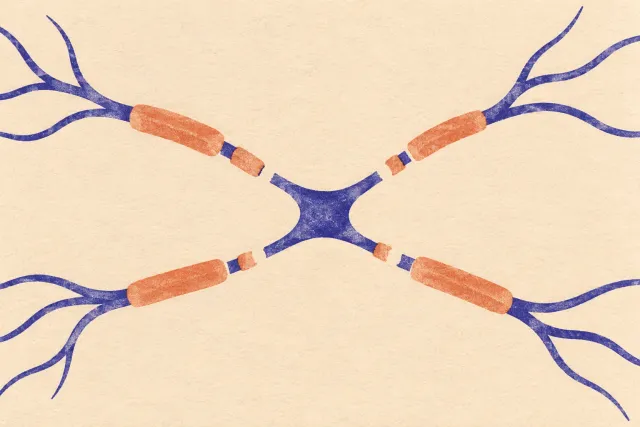
MS tissue and mice show damage in a brain vision hub
Donated MS brain tissue showed damage in a vision hub. Mouse findings linked local immune cell activity with lost nerve connections and partial vision recovery.
Some with first optic nerve inflammation later had MS
In a study of 601 people in Japan after first optic nerve inflammation, some later had MS. Others had repeated attacks or different diseases during follow-up.

In MS-like mice, an experimental drug eased paralysis
An experimental drug reversed paralysis and vision loss in mice with an MS-like disease. Separate studies linked certain antiviral drugs to fewer MS cases.
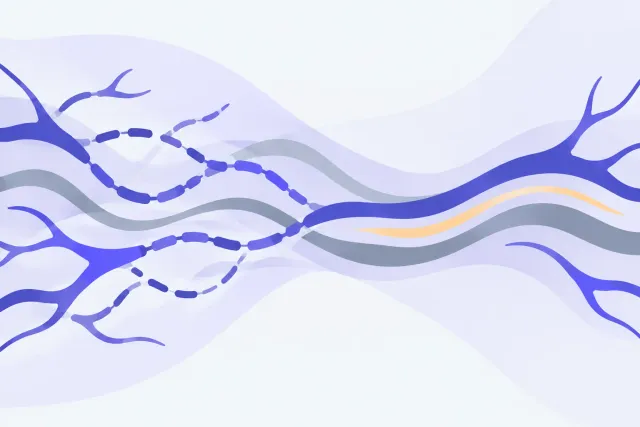
In mice, removing a protein cut MS-like optic nerve damage
In mice with an MS-like disease, removing a cell protein reduced optic nerve damage and nerve cell loss. A tested compound partly reversed that protection.

In monkeys, clemastine repaired MS-like optic nerve damage
In monkeys with MS-like optic nerve damage, clemastine helped repair nerve covering that did not heal on its own. The study did not test people with MS.
Plasma exchange may improve vision after MS eye attacks
A review of 12 studies found plasma exchange may improve vision after sudden eye inflammation, including in people with MS. More rigorous trials are needed.
In MS-like mice, a gene treatment improved eyesight
An experimental gene treatment helped eye cells survive and improved vision in mice with an MS-like disease. It has not been tested in people with MS.

MS and related diseases: a larger share of eye nerve cases
A South Korean study found fewer new optic neuritis cases during the pandemic, but a larger share of people diagnosed in 2021 had MS or related diseases.
MS research roundups by month · All MS research news
Check out the MS Buddy app
Track symptoms, monitor wellness, and stay on top of your MS care. It’s free, with no ads. Built by people living with MS.

