MS Thinking and Memory Research
Updated
Problems with thinking and memory affect around half of people with MS. They can affect memory, attention, planning, decision-making, understanding or concentration. For most people these problems are fairly mild, and they are not the same as dementia. Below is the latest research on thinking and memory problems in MS, explained in plain language.
Latest studies
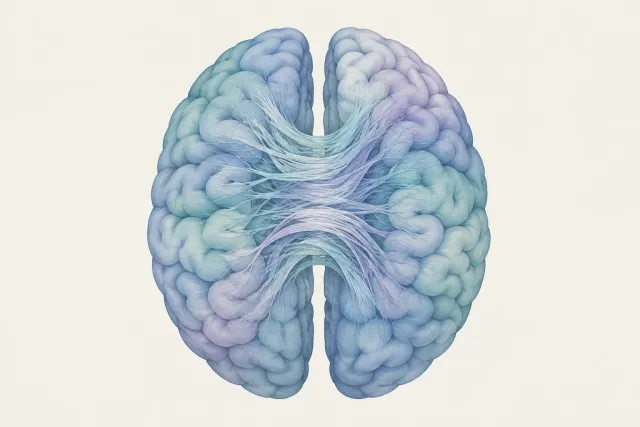
MS brain scans cannot confirm nerve signal failure
An opinion paper explains why MS brain scans can show tissue loss without proving nerve signal failure, and what evidence would support stronger claims.
In relapsing MS, Mavenclad users' thinking scores rose
In a review of records for 173 people taking Mavenclad for MS, most had no relapses over two years. Thinking scores improved, but timed walking took longer.
New brain scan method better predicted thinking in MS
A new way to analyze brain scans generally predicted thinking test scores in people with MS better than similar methods. The study did not test a treatment.

In older MS, more lesions weaken brain-thinking links
In 82 older adults with MS, more lesions on the brain's outer layer weakened links between resting brain activity and thinking speed on a test of memory.

In MS-like mice, treatment helped movement and thinking
In mice with an MS-like disease, a lab-made protein improved movement and thinking. Researchers also found less nerve damage and inflammation in the mice.
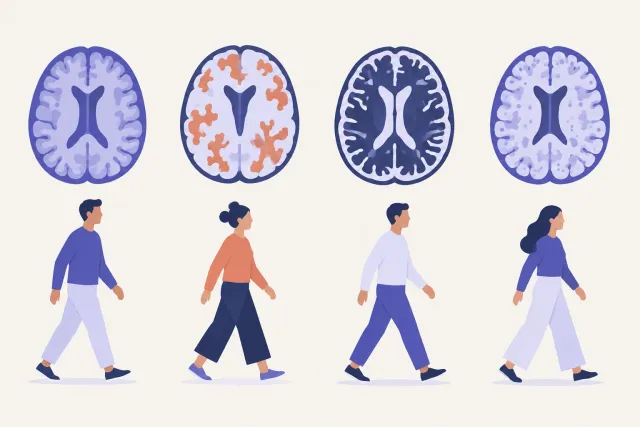
Brain scans found MS groups with different disability
Brain scans identified four MS groups. Disability and worsening without a relapse differed between groups, but thinking test results did not differ across them.
Thinking problems linked to sexual difficulties in MS
A study of 318 people with MS linked lower thinking test scores to more sexual difficulties, with the relationship varying by overall disability severity.

Virtual rehab may aid movement in MS and other diseases
A review of 99 studies found virtual reality rehab may improve movement, thinking, and quality of life across conditions including MS. MS-only results were not given.

Memory, not thinking speed, lagged in early relapsing MS
In a study of people with MS, memory problems were more common than slowed thinking in early relapsing disease. Secondary progressive MS showed a different pattern.
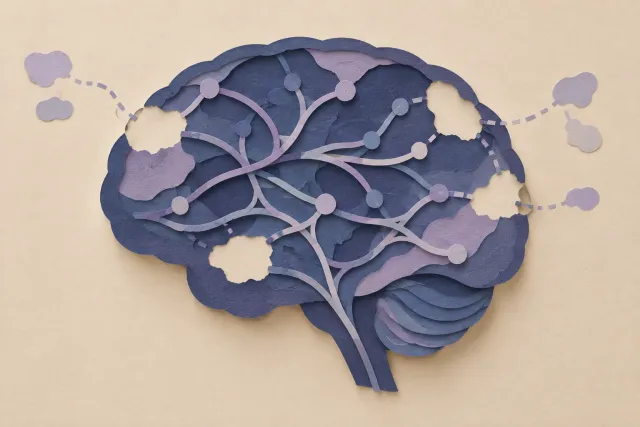
Brain scan finds hidden nerve connection loss in MS
A specialized brain scan found nerve connection loss in 31 people with MS. Affected areas were larger than MRI lesions and linked to disability and thinking.
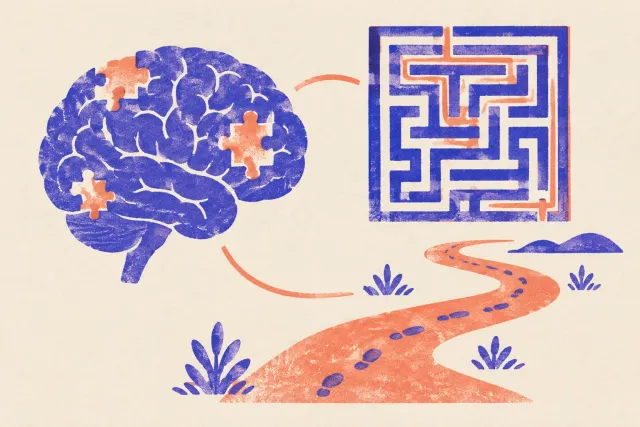
Brain tissue loss tracks thinking and disability in MS
In brain scans of people with MS, tissue loss was linked to disability and thinking problems. Researchers compared affected areas with maps of brain chemicals.

Brain damage tied to thinking differs by sex in MS
A brain scan study found similar rates of thinking problems in men and women with MS, but differences in how brain damage related to their thinking test scores.
MS research roundups by month · All MS research news
Check out the MS Buddy app
Track symptoms, monitor wellness, and stay on top of your MS care. It’s free, with no ads. Built by people living with MS.