Brain scans after a car crash revealed MS in a teen
By MS Buddy ·
Summarized from Case reports in neurological medicine, Jan 2026 · PubMed. AI-generated summary. Not medical advice.
Case series · an 18-year-old male diagnosed with MS after a car crash
Research by Benjamin Limburg, Ty Moody and 1 colleague at the University of South Dakota: Sanford School of Medicine Sioux Falls South Dakota USA and Department of Internal Medicine University of South Dakota: Sanford School of Medicine Sioux Falls South Dakota USA.
Can brain scans after a car crash reveal MS in a teenager?
Key Takeaway
Brain and spine scans after a car crash revealed signs of MS in an 18-year-old male.

What They Found
The young man had brain scans after a car crash. Scans of his brain and spine showed areas where nerve covering had been damaged. A test of the fluid around his brain and spine found signs that supported an MS diagnosis. Doctors diagnosed him with MS, although the scans were done because of his injury. He then started ocrelizumab (Ocrevus), a treatment for MS.
Who Should Care and Why
This report is about one 18-year-old male diagnosed with MS after a car crash. His scans revealed signs of MS while doctors were checking a brain injury. Further testing supported the diagnosis. The case shows that MS can be found in someone outside the group most commonly diagnosed. It also raises questions about finding MS earlier, but it does not answer them.
Important Considerations
This is a report of one person, not a study comparing groups. It does not show whether Ocrevus improved his health. It also cannot show when you might be diagnosed without scans after an injury.
AI-generated summary — for informational purposes only, not medical advice
Read the original abstract
Published in Case reports in neurological medicine by . Reproduced from the PubMed record.
Multiple sclerosis (MS) is a chronic, debilitating autoimmune disease for which there is currently no cure. Most commonly, MS presents in white, middle-aged females. However, the pathogenesis of the condition is incompletely understood. We report a rare case of the incidental discovery of MS in an 18-year-old male. In-depth neurological workup following traumatic brain injury secondary to a motor vehicle accident revealed nonenhancing demyelinating lesions in the brain and spine on MRI. Further workup, including CSF positivity for oligoclonal bands, supported the diagnosis of MS, and the patient promptly began disease-modifying therapy (DMT) with ocrelizumab. As no current preventive screening strategy is in place for MS in the United States, this patient likely would not have started DMT until many years in the future. This case provides a reason to keep MS on the neurologic differential diagnosis even in demographically atypical patients and inspires further discussion regarding the role of early detection in this disease.
Trials you could look into
This study looked at a treatment with MS trials currently recruiting or under way.
Listing a trial is not a recommendation. Eligibility is decided by the study team, and your neurologist is the person to ask first.
Categories
Explore more research
Check out the MS Buddy app
It’s free, with no ads. Built by people living with MS.


Related MS research
11/18/2026
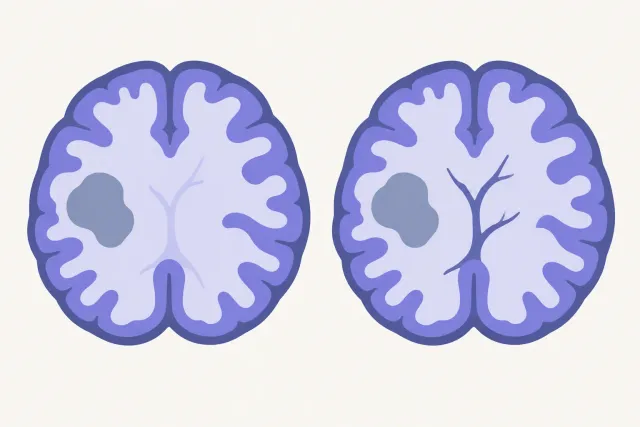
An adjusted MRI scan found more veins within MS brain lesions in 17 people with MS. It improved scan
Read More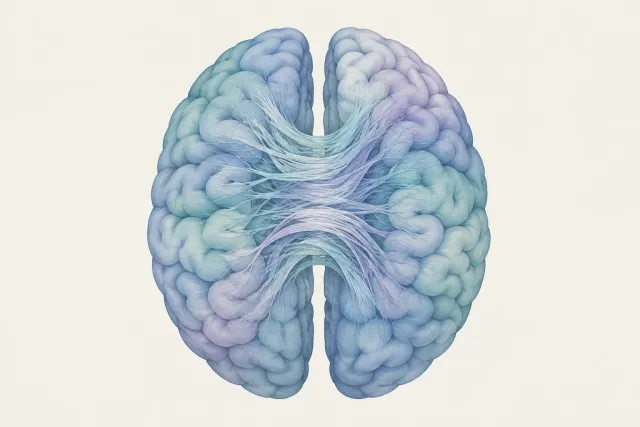
11/14/2026
An opinion paper explains why MS brain scans can show tissue loss without proving nerve signal failu
Read More
11/15/2026
In 70 people with MS in Brazil, blood tests often showed signs of past viral exposure. Results did n
Read More
11/12/2026
In a study of 601 people in Japan after first optic nerve inflammation, some later had MS. Others ha
Read More
11/12/2026
A new way to analyze brain scans generally predicted thinking test scores in people with MS better t
Read More
11/11/2026
Brain scans of people with low-disability MS showed subtle differences from scans of people without
Read MoreNot all studies carry the same weight: sample size, study design and whether results were replicated all matter. The credibility score above reflects the journal, and the original paper is linked under More Details. Read how MS Buddy selects and scores research, and talk to your MS care team before acting on any study.