Inherited brain structure patterns linked to MS risk
By MS Buddy ·
Summarized from Annals of neurology, Nov 2026 · PubMed · DOI. AI-generated summary. Not medical advice.
Observational study · 81,196 brain scan people and people with and without MS
Research by Beili Shao, Karim Kreft and 6 colleagues at the University of Nottingham and Cardiff University in the United Kingdom.
Are inherited differences in brain structure linked to MS risk?
Key Takeaway
Inherited differences in brain structure were linked to the risk of developing MS.

What They Found
Researchers studied 170 brain scan features influenced by inherited genes. Four features related to brain size or tissue structure were linked to MS risk. Further analyses identified 120 genes that might help explain these links. Higher predicted activity of one gene in certain nerve and brain immune cells was linked to lower MS risk. Researchers identified 25 genes as possible targets for medicines.
Who Should Care and Why
The study used data from brain scan participants and people with and without MS. It examined the risk of developing MS, rather than changes after diagnosis. The findings suggest that brain structure before symptoms begin may contribute to MS risk. The study did not focus on a particular form of MS. Its findings point to genes for further study, rather than a tested treatment.
Important Considerations
The study analyzed existing genetic data from 39,691 brain scan participants, 14,802 people with MS, and 26,703 people without MS. Researchers used inherited genetic differences to explore possible cause-and-effect links, but the findings do not prove that brain structure causes MS. The study did not test whether targeting these genes prevents or treats MS.
AI-generated summary — for informational purposes only, not medical advice
Read the original abstract
Published in Annals of neurology by et al.. Reproduced from the PubMed record.
Brain atrophy is a hallmark of multiple sclerosis (MS) and precedes clinical symptom onset. However, whether brain development and morphological measures contribute to MS susceptibility remains unclear. We investigated whether genetically determined brain imaging phenotypes are associated with MS risk. We applied causal inference approaches using genome-wide association study (GWAS) data for 170 heritable magnetic resonance imaging (MRI)-derived phenotypes from 39,691 United Kingdom (UK) Biobank participants and leveraged with MS susceptibility GWAS data from 14,802 MS patient and 26,703 controls. Generalized summary-data-based Mendelian randomization with HEIDI filtering was used to assess putative causal associations while accounting for horizontal pleiotropy, with orthogonal sensitivity analysis using 2-sample Mendelian randomization. Significant loci underwent functional annotation, Bayesian colocalization with brain expression quantitative trait loci, integration with single-nucleus RNA-sequencing data from MS postmortem tissue, and druggability assessment. False discovery rate adjustments were applied. Four MRI phenotypes were associated with MS susceptibility: cerebellar vermis VIIIa gray-matter volume, mean diffusivity of the right anterior corona radiata, intracellular volume fraction of the corpus callosum, and orientation dispersion index of the right external capsule. Functional analyses identified 120 candidate genes, including several within the complex 17q21.31 locus. Cell-type-specific Mendelian randomization identified higher genetically predicted PLEC expression in inhibitory neurons and microglia as associated with lower MS susceptibility. Differential gene expression analyses highlighted convergent dysregulation of MAPT, EGFR, and HBEGF, implicating neurodevelopmental, neurovascular, and autophagy-related pathways. Twenty-five candidate genes were identified as potentially druggable targets. Genetically determined brain structural traits are associated with MS susceptibility, supporting the concept that premorbid brain architecture contributes to disease vulnerability and highlighting potential therapeutic targets. ANN NEUROL 2026.
Categories
Explore more research
Check out the MS Buddy app
It’s free, with no ads. Built by people living with MS.


Related MS research
11/17/2026
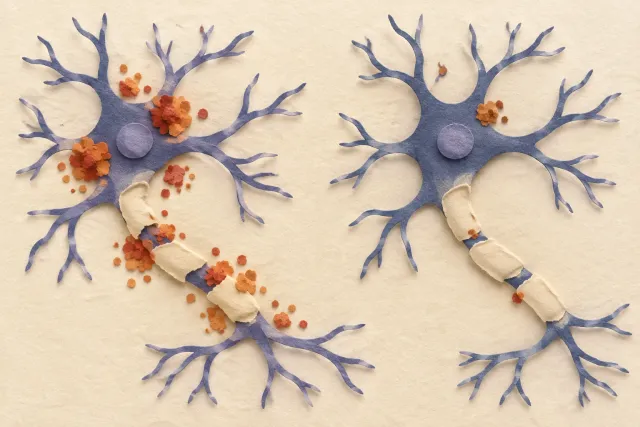
An experimental drug eased nerve-related problems and reduced inflammation in mice with an MS-like d
Read More
11/17/2026
A review explores iron-driven cell death in MS and other diseases involving immune attacks on the bo
Read More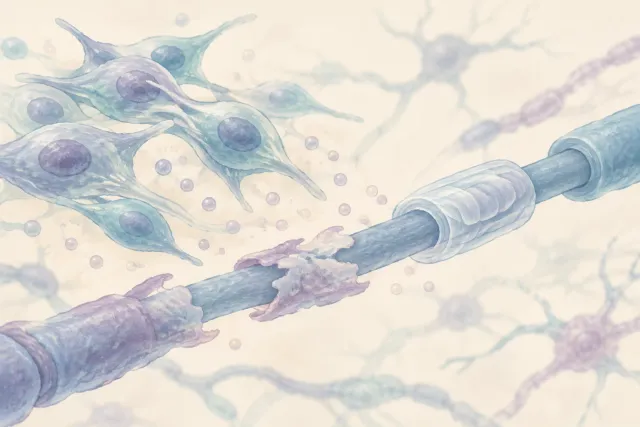
11/16/2026
In mice with damaged nerve coverings, fat-derived stem cells treated with metformin improved repair.
Read More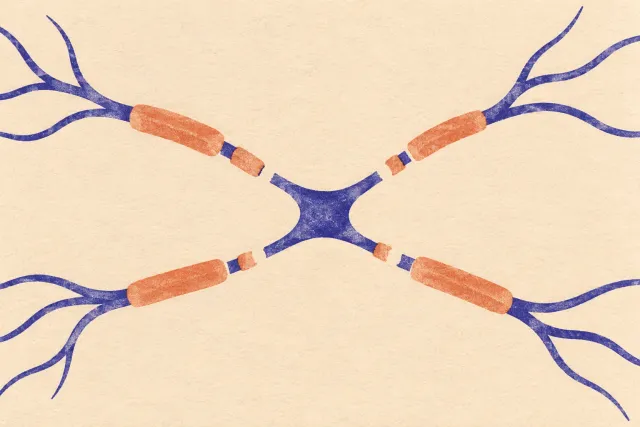
11/17/2026
Donated MS brain tissue showed damage in a vision hub. Mouse findings linked local immune cell activ
Read More
11/16/2026
A planned study will use detailed brain scans and blood tests to explore why relapsing-remitting MS
Read More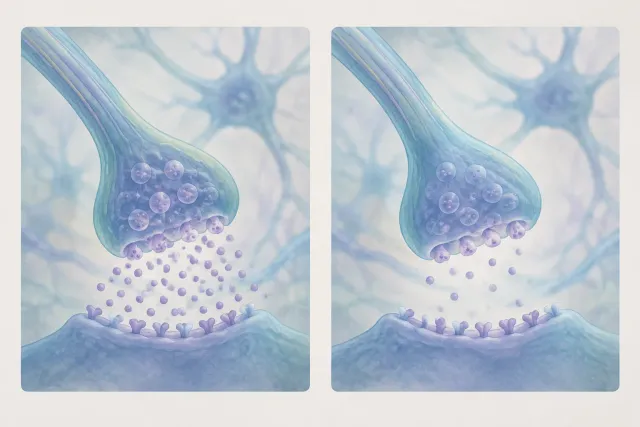
11/15/2026
In tissue from mice with an MS-like disease, a lab drug reduced excess chemical release from nerve e
Read MoreNot all studies carry the same weight: sample size, study design and whether results were replicated all matter. The credibility score above reflects the journal, and the original paper is linked under More Details. Read how MS Buddy selects and scores research, and talk to your MS care team before acting on any study.