MS Genetics — MS Research News
Research on the genetic and environmental risk factors behind MS, including the Epstein-Barr virus link, HLA and other risk genes, vitamin D and sun exposure, smoking, and how inherited risk interacts with the world around you.
- 38 studies
- From PubMed
- Plain language
MS Genetics studies

Virus draws more immune cells to brains in MS mice
After a lasting virus infection, more immune cells that recognized the virus built up in the brain and spinal cord of mice with poorer virus control.

Inherited brain structure patterns linked to MS risk
Inherited differences in brain structure were linked to the risk of developing MS.
MS linked to genes tied to more Epstein-Barr virus
People with MS carried more inherited gene patterns linked to higher levels of Epstein-Barr virus in blood cells.

Rare disease genes found in some people diagnosed with MS
Some people diagnosed with MS carried rare gene changes linked to diseases that can look like MS.

Blood levels set Gilenya users apart in relapsing MS
Two small pieces of genetic material were lower in the blood of people taking Gilenya for relapsing MS than in those who had never received treatment.

MS risk review compares childhood and adult-onset MS
This review found shared and age-specific factors linked to MS starting in childhood or adulthood.

Could Your MS-Like Leg Symptoms Have Another Cause?
A rare inherited condition can look like MS, so people with unexplained stiff legs and unusual scan results may benefit from asking whether genetic testing is appropriate.

MS Genes: What They Reveal About Risk and Treatment
MS genes help explain who may develop the disease and why treatments that calm the immune system can help, but they cannot yet predict what will happen to one person.

Can AI Help Make MS Diagnosis and Care More Personal?
AI may help doctors make sense of MS scans and health records, but it has not yet been proven to improve patient care.

MS Study Finds Hidden Immune Cells That Treatment Targets
A study found that some immune cells in MS swap identifying tags, and an MS treatment removed these cells in the study.

Genetic ancestry was not tied to worse MS disability
In this UK study, African and South Asian genetic ancestry were not consistently linked to worse MS disability than European ancestry.

MS risk variant limited vitamin D's effect in immune cells
A gene variant linked to MS kept vitamin D from helping certain immune cells switch to a state that calms inflammation.
MS severity differed by genes, not just brain lesions
In donated MS brains, genetic groups differed in disease severity, but the group with worse outcomes did not have more active brain lesions.

Donated MS brains link tissue damage to disease severity
In donated MS brains, patterns of inflammation and nerve covering repair were linked to genetic differences and disease severity.

Blood proteins may signal MS years before diagnosis
Some blood proteins were linked to MS risk before diagnosis, but the study did not establish a test for predicting MS.

MS risk: Gene and environment interactions remain unclear
Genetic and environmental factors are linked to MS risk, but researchers have found little clear evidence that they interact.

Inherited gene change linked to less MS disability over time
People with an inherited gene change had less disability after more than 20 years with MS and fewer signs of ongoing nerve damage.
MS-linked genetic change tied to smaller brains under 55
A genetic change linked to MS was tied to smaller brain volume in middle-aged people without MS, but not in older people.

MS risk factors shared changes in how genes are read
Several factors linked to developing MS also shared changes in how genes are read.

Depression-related genes linked to more MS relapses
Adults with a higher inherited risk of depression had more MS relapses, but the study does not show that those genes caused them.
Epstein-Barr virus variant linked to MS risk in study
A version of an Epstein-Barr virus gene was linked to MS risk, and virus-related genes showed changes in MS blood and brain samples.
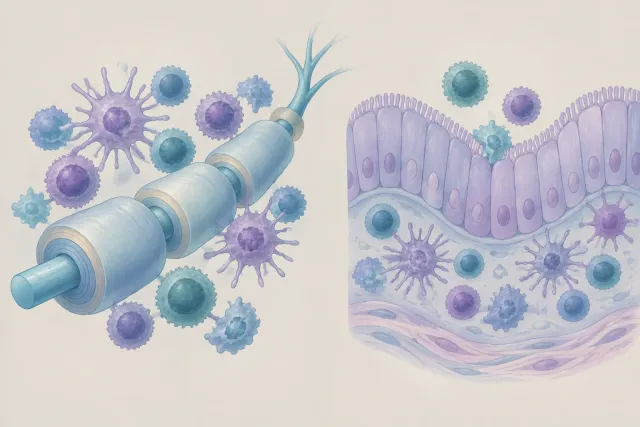
MS and celiac disease may share immune system patterns
The authors describe similarities between MS and celiac disease that may help researchers understand how MS develops.

MS risk gene linked to stronger Epstein-Barr response
People with a genetic risk factor for MS had stronger immune responses to two parts of the Epstein-Barr virus.

Study links a gene variant, blood protein, and MS
Researchers found a gene variant linked to a blood protein level and to MS in health records.
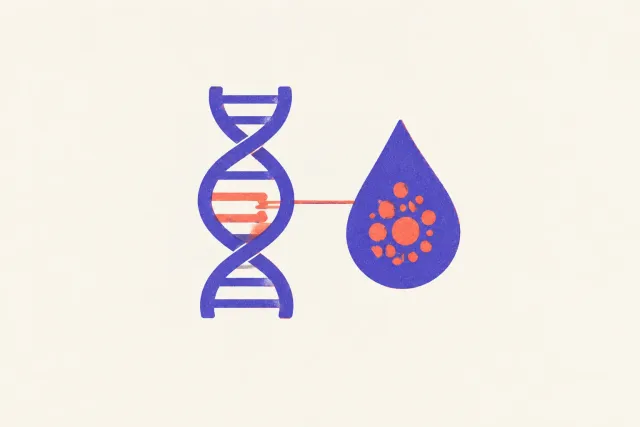
MS Research: What Spinal Fluid Immune Cells May Reveal
A gene change was linked to the number of certain immune cells in spinal fluid, but the finding does not yet change MS care.
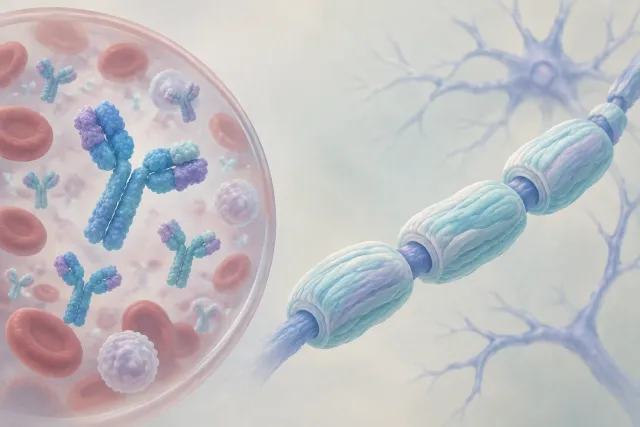
MS and a Common Virus: What New Blood Tests Reveal
In a Korean study, people with MS had higher levels of one marker of past Epstein-Barr virus infection than the comparison groups, but the finding does not change MS care today.

Four genes linked to MS risk may guide drug research
Researchers found four genes linked to the risk of developing MS that may be worth studying as targets for future drugs.
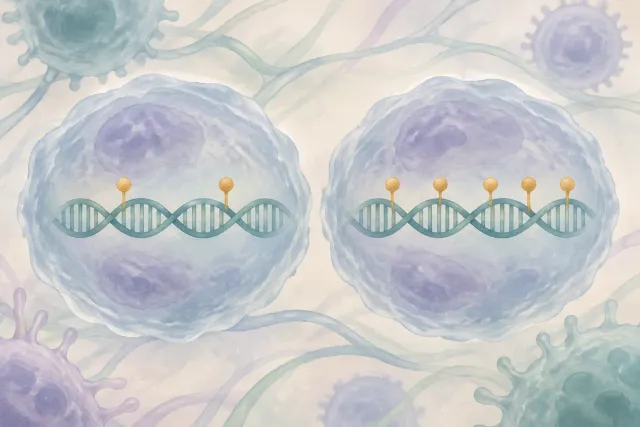
Fewer DNA tags in one region linked to MS relapses
People with MS who had a recent relapse had fewer chemical tags in one stretch of DNA in their immune cells.
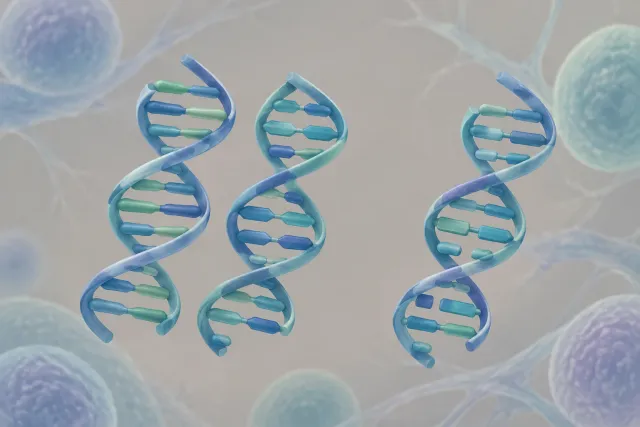
Gene differences linked to MS risk and worse disease
Differences in two genes were linked to higher MS risk, while a difference in another gene was linked to worse disease.

Could Voice Checks Help Track MS Changes From Home?
Voice recordings may one day help spot and track MS-related changes, but these tools are not ready for routine care.

How Brain Support Cells May Affect Inflammation in MS
Brain support cells may help drive inflammation in MS, but treatments aimed at these cells are still being studied.

Other Immune Conditions May Appear Before MS Diagnosis
People later diagnosed with MS were more likely to have another condition in which the immune system attacks the body, especially in the two years before their MS diagnosis.

How Cell Studies Could Improve Future MS Treatment Choices
Studying immune cells one at a time may help researchers understand MS and improve future treatment choices, but the findings are not ready to guide care yet.

Sudden Vision Loss: An MS Look-Alike Worth Knowing
A teen with sudden vision loss recovered after treatment for a rare condition that can look like MS, showing why the right diagnosis matters.

A Rare MS-Like Illness Offers Clues About Immune Care
One person’s MS-like illness may offer a clue about how the immune system attacks nerves, but it does not change MS treatment today.
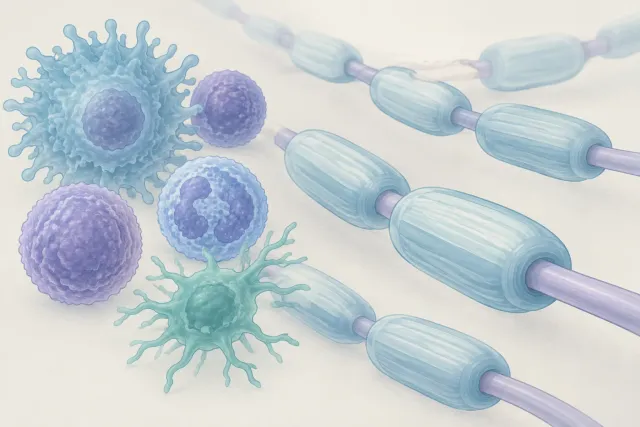
Immune Cells and MS: What New Research Means for You
A review of human studies found that higher levels of a calming type of immune cell are linked with better MS outcomes, but it is not yet clear whether these cells cause the improvement.

MS Treatment and Virus Defense: What Patients Should Know
In this study, people with MS taking B-cell treatments had fewer immune cells that recognized Epstein-Barr virus, but the study cannot tell whether this change helps or harms them.

MS family history did not predict worse long-term outcomes
Having a family member with MS was not linked to worse long-term outcomes after MS began.

Check out the MS Buddy app
It’s free, with no ads. Built by people living with MS.


More on MS Buddy
 MS clinical trialsTrials recruiting now, by state, phase or treatment.
 Browse MS centers by stateThe full directory, with a page for each state and city.
 MS terms explainedThe words you hear at appointments, in plain language.
 Questions for your doctorMore than 200, grouped by what is going on with you.