Early Research — MS Research News (page 2)
Laboratory and animal work — the stage where ideas are tested long before they reach people. Remyelination, neuroprotection, immune mechanisms and new drug targets. Findings here are genuinely early, and a result in mice or cells is not yet a result in people.
- 306 studies
- From PubMed
- Plain language
Early Research studies
Mouse models miss some cell changes seen in MS brains
Two mouse models showed some cell changes seen in MS, but neither captured the full range of changes in human MS data.
MS: Treatment did not boost protective cells after Lemtrada
A low-dose immune treatment did not increase protective immune cells in people with relapsing MS who had previously received Lemtrada.

In mice, loss of an immune signal worsened MS-like disease
In mice with an MS-like disease, losing an immune signal reduced myelin debris cleanup and worsened nerve damage.

In mice, abatacept pairing eased an MS-like disease
In mice, abatacept paired with an immune signal eased an MS-like disease and increased immune cells that help keep the immune system in check.
Spinal fluid revealed MS-related clues missed in blood
Studying spinal fluid revealed links to MS that blood analysis missed.
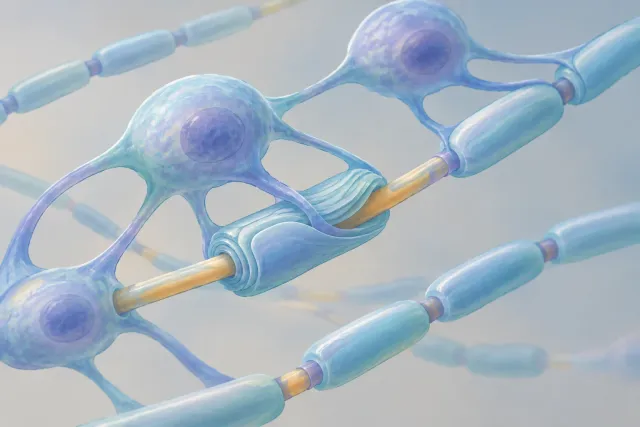
New MRI method tracks myelin-making cells in MS research
A new MRI method detected cells making new myelin, the protective covering around nerves, during a repair process studied in MS research.

Eye scans found more retinal spots in people with MS
People with relapsing or progressive MS had more bright spots on eye scans, and those spots were linked to brain scan findings.
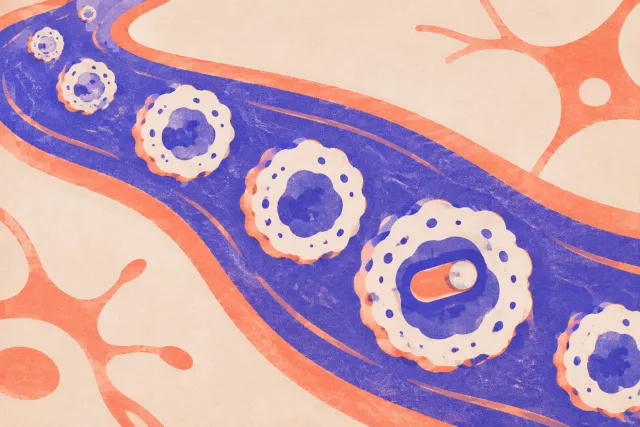
In mice, an immune switch helped MS-like disease develop
In mice, an immune switch in circulating cells helped an MS-like disease develop.

New gene tool flags a change linked to MS risk in data
A new computer tool flagged a gene change linked to MS risk that may alter how much protein the body makes.

New lab method maps cholesterol changes in MS brain tissue
A new lab method mapped cholesterol changes near MS lesions in human brain tissue.

In mice, two drugs proposed for MS damaged myelin
Two drugs tested together damaged myelin in mice and disrupted cells that make myelin in a lab dish.
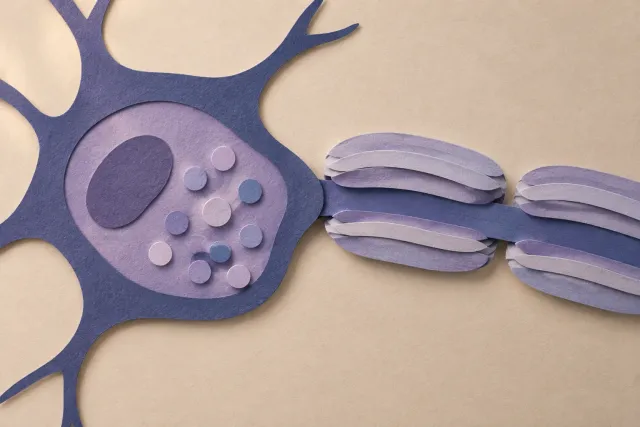
Mayzent limited a stress sign in mice with MS-like damage
In mice, Mayzent reduced the loss of a protein in stressed cells that make myelin.

In mice, ganciclovir helped repair MS-like myelin damage
In mice, removing a signal from myelin-making cells sped repair of damaged nerve covering, and ganciclovir also helped that covering regrow.
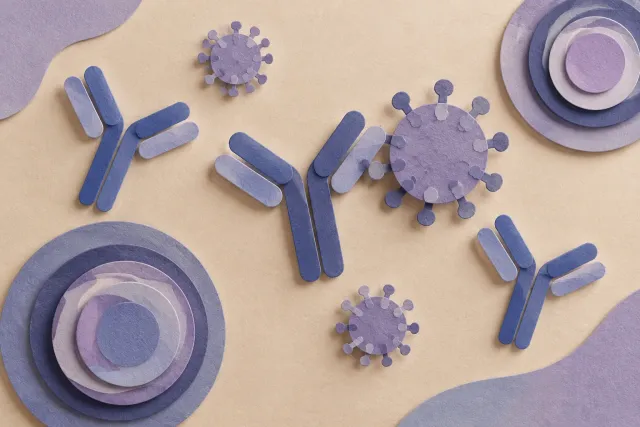
Review links virus-related antibodies to higher MS risk
A review found that certain antibodies linked to the Epstein-Barr virus were tied to a higher chance of developing MS.
In mice, removing an enzyme worsened MS-like disease
In mice, removing an enzyme from certain immune cells worsened an MS-like disease.
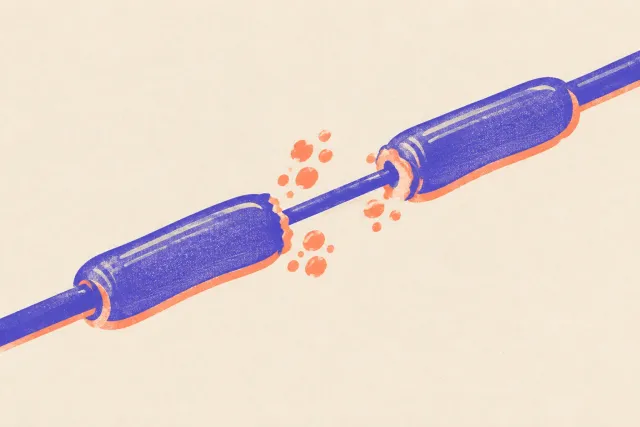
New test tracks myelin repair in mice with MS-like damage
A new lab method tracked where mice made fats used in myelin repair after damage to the nerve covering.

Scans found signs of nerve connection loss in MS and mice
Brain scans found signs of fewer connections between nerve cells in people with MS and in mice with an MS-like disease.

In mice, removing a protein cut MS-like optic nerve damage
In mice with an MS-like disease, removing a cell protein reduced damage to the optic nerve and loss of nerve cells in the eye.

In monkeys, clemastine repaired MS-like optic nerve damage
Clemastine helped repair damaged nerve covering in monkeys whose optic nerves did not heal on their own.

Tysabri worsened an MS look-alike condition in mice
Natalizumab (Tysabri) eased an MS-like disease in mice but worsened a condition often mistaken for MS.

Diabetes drugs linked to lower MS risk in past studies
Past studies linked long-term use of certain diabetes drugs to lower MS rates, but the review does not show that these drugs prevent MS.
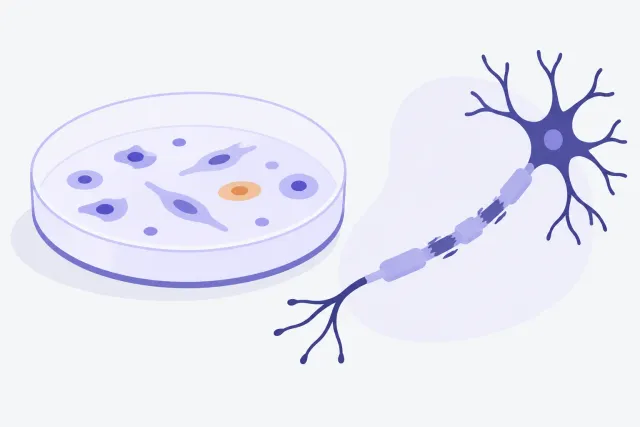
Lab-grown immune cells may help study worsening in MS
This review says lab-grown human brain immune cells may help researchers study why MS gets worse over time.

New brain scan tool mapped brainstem changes in MS
A new brain scan tool detected changes in brainstem nerve pathways in people with MS.
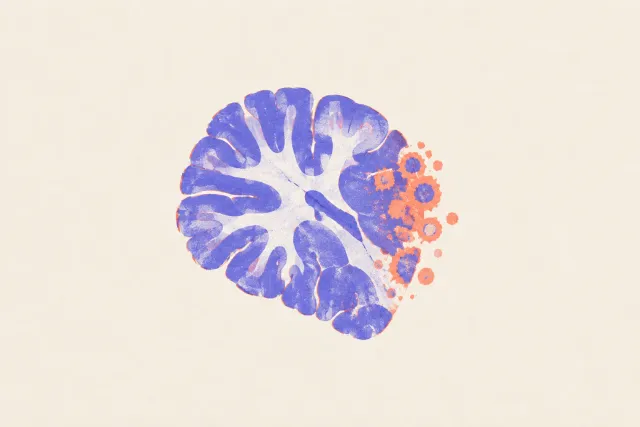
MS brain tissue showed distinct immune deposits near lesions
MS brain tissue showed a pattern of immune deposits that differed from patterns in two conditions often mistaken for MS.
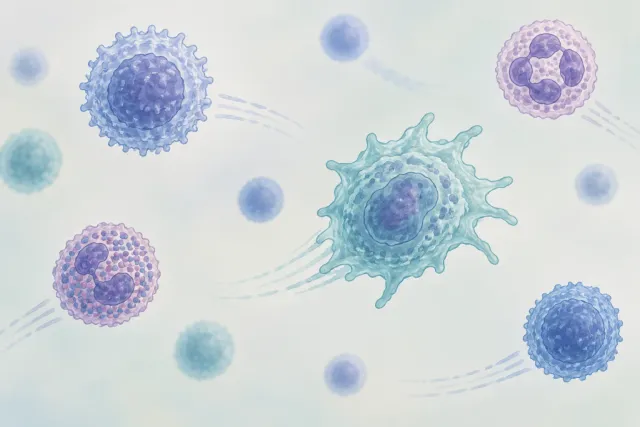
MS drug Tecfidera slowed immune cells in lab tests
In lab tests, Tecfidera slowed immune cells from people with a virus-linked spinal cord disease, not MS.

New scan tracks immune activity in mice with MS-like disease
A new scan tracked immune cell activity in mice with an MS-like disease, even before symptoms appeared.
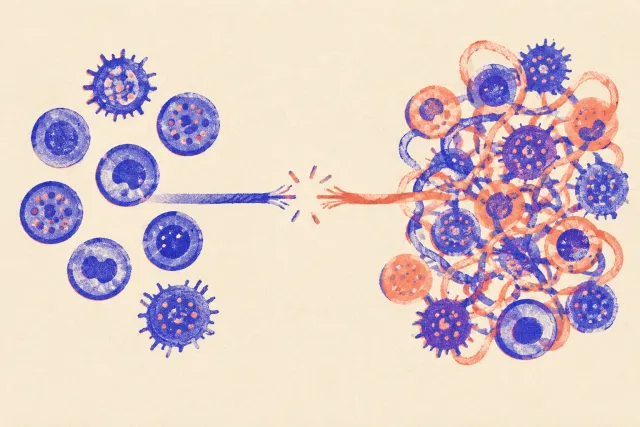
In mice, removing an immune signal worsened MS-like disease
In mice, removing an immune signal worsened an MS-like disease by changing how immune cells behaved.
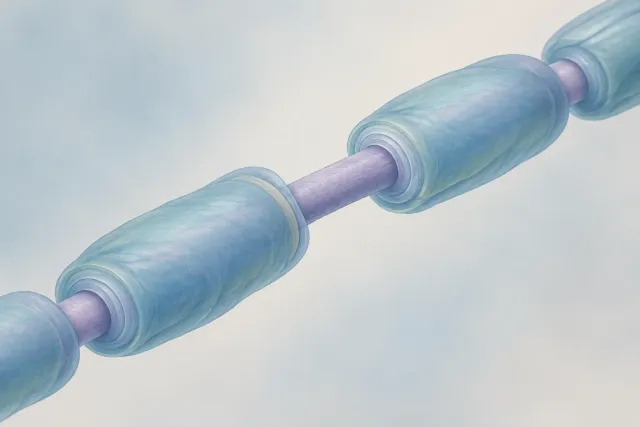
In mice with MS-like damage, bavisant helped myelin heal
In mice with MS-like damage, bavisant helped repair nerve coverings and protect nerve cells.
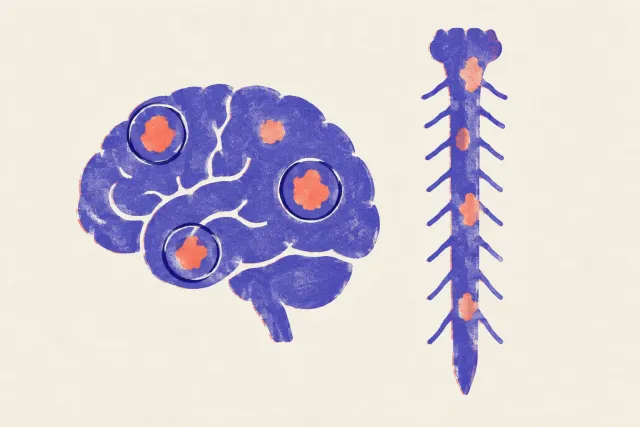
Iron rings marked MS brain damage, not spinal damage
Iron rings appeared around some damaged areas in donated MS brains, but not around damaged areas in the spinal cords.
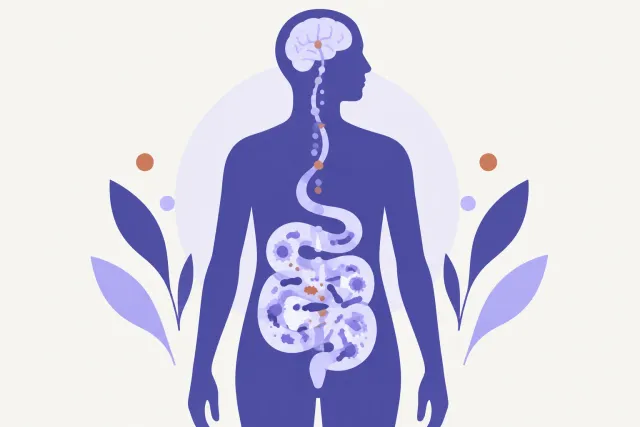
In mice, gut bacteria helped start MS-like inflammation
In mice, gut bacteria activated immune cells that helped start MS-like inflammation in the brain and spinal cord.
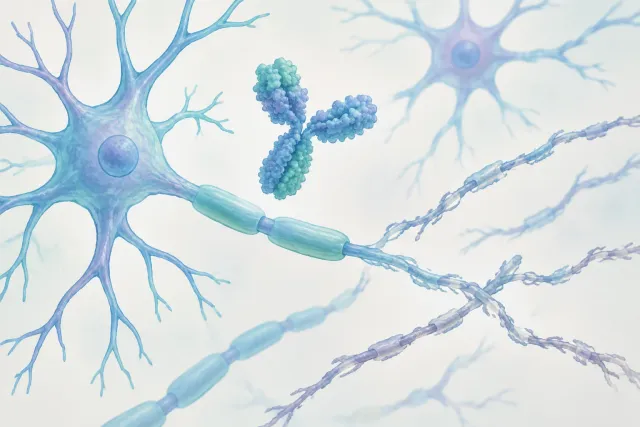
A treatment from a person with MS eased disease in mice
A treatment based on an immune protein from a person with MS eased MS-like disease and reduced nerve cell loss in mice.
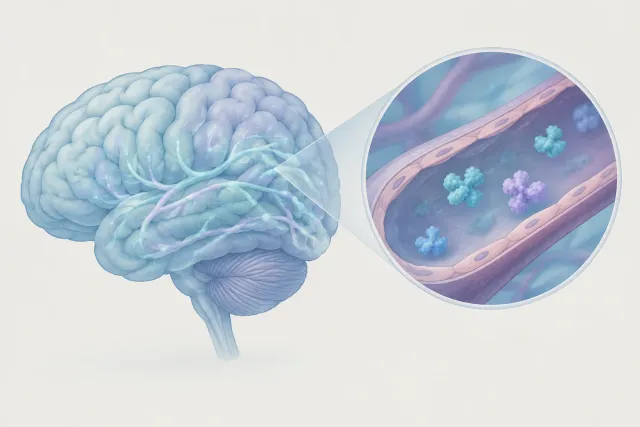
Blood protein tied to MS and dementia in older adults
A brain-related protein was lower in the blood of people with MS and people with dementia.

In mice, an MS-linked virus vaccine showed a response
In mice, an experimental vaccine protein for a virus linked to MS showed a possible improvement in immune response.
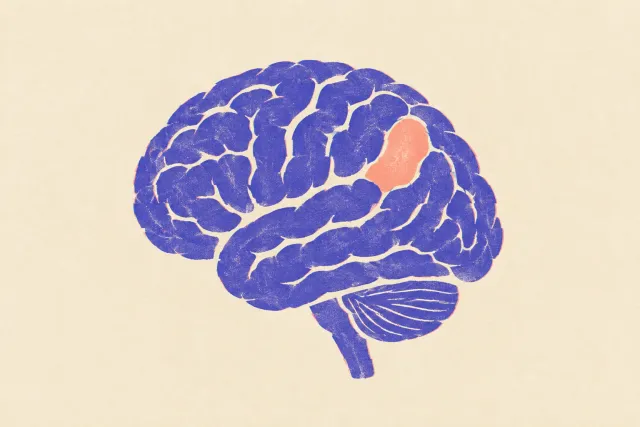
Lower brain activity in one area linked to MS risk
Lower activity in one brain area was linked to a higher risk of MS.

In mice, an antibody reduced MS-like disease severity
In mice with an MS-like disease, a modified antibody reduced disease severity and helped them recover function.

In an MS-related experiment, oxygen cut lasting damage
In an experimental nervous system injury, nimodipine and extra oxygen reduced lasting tissue loss and disability.

In mice, clobetasol repaired MS-like damage from chemo
In mice, clobetasol helped repair MS-like nerve damage caused by a cancer drug.
Modified immune cells show early signs of benefit for MS
A review found early signs that modified immune cells may help treat MS, but lasting benefits and risks remain unclear.
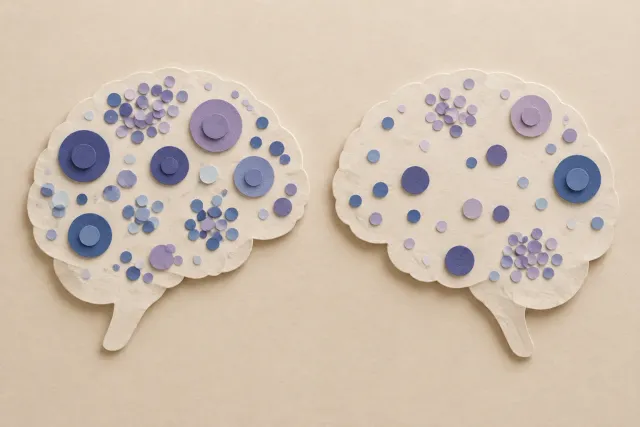
In mice, brain immune cells differed as MS worsened with age
In mice with an MS-like disease, different patterns of immune cells in the brain were linked to how severe the disease became with age.

Preventing MS before nerve damage still lacks proof
No approach to prevent MS before nerve damage has enough evidence to show it works.
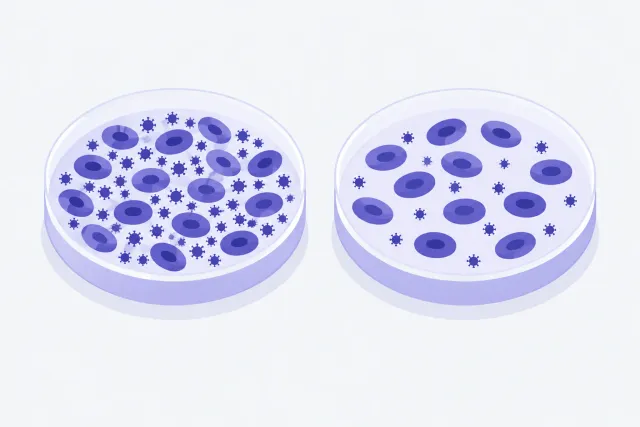
Brincidofovir reduced virus activity in MS blood cells
Brincidofovir reduced virus activity in blood cells studied in a lab, including cells from people with MS.

MS spinal fluid slowed fluid-moving hairs in lab cells
MS spinal fluid slowed tiny fluid-moving hairs on rodent cells grown in a lab.
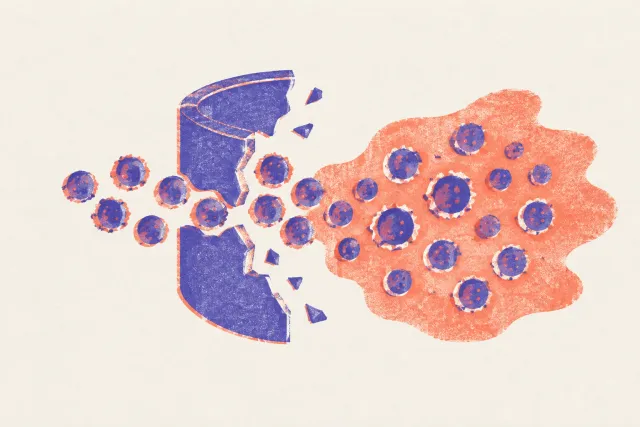
In mice, loss of a cell brake worsened MS-like disease
In mice with an MS-like disease, losing a protein that limits immune cell growth worsened inflammation.
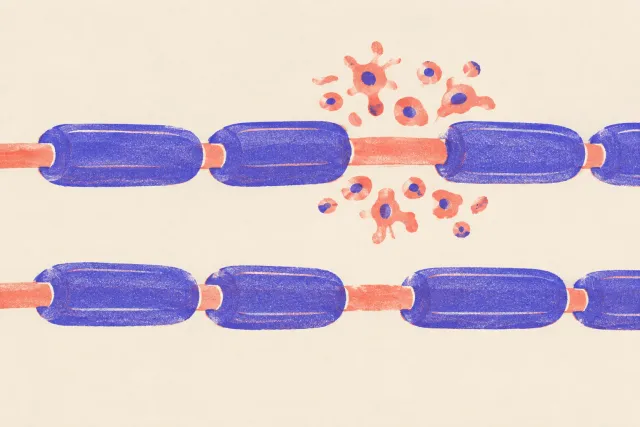
In older mice, myelin repair relevant to MS was delayed
In older mice, myelin repair was delayed, along with changes in how the brain's immune cells responded to damage.

In animal MS models, a new treatment cleared lesions
In animal models of MS, a treatment placed in immune-system hubs cleared areas of nerve damage without weakening the response to a vaccine challenge.
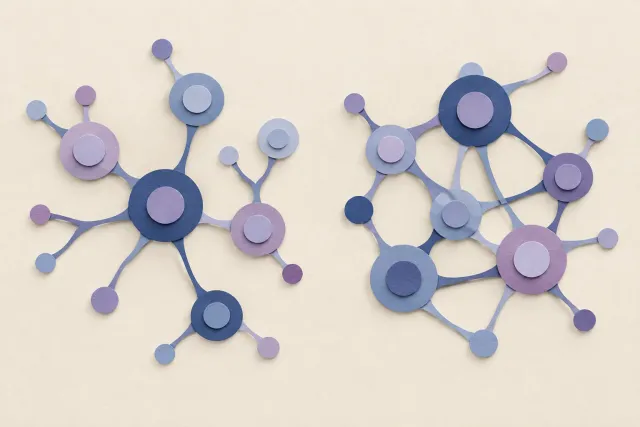
New lab method maps cell signals in mouse and MS brains
A new lab method found that some signals between brain cells differed in tissue from people with MS.
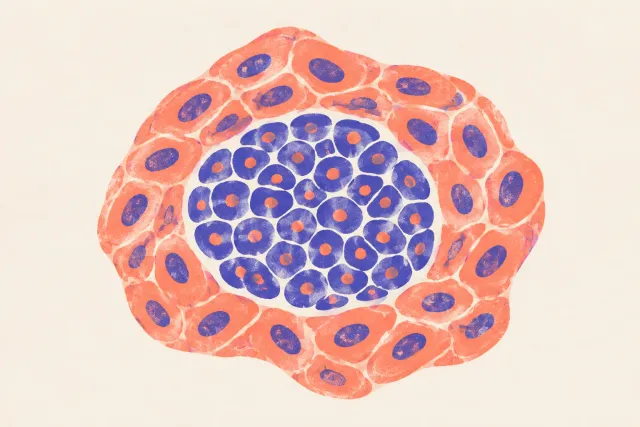
Lab mapping finds active support cells inside MS lesions
Support cells in the centers of long-lasting MS lesions had different protein patterns than cells in nearby tissue.
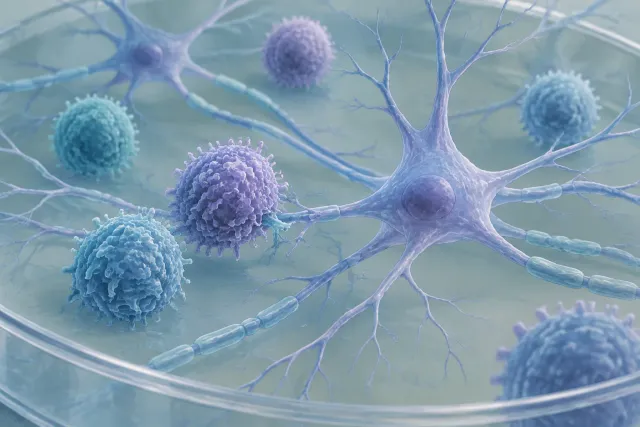
MS lab study: Drug protected nerve cells in a dish
In a lab study linked to MS, a drug prevented immune cells from disrupting nerve cells in a dish.
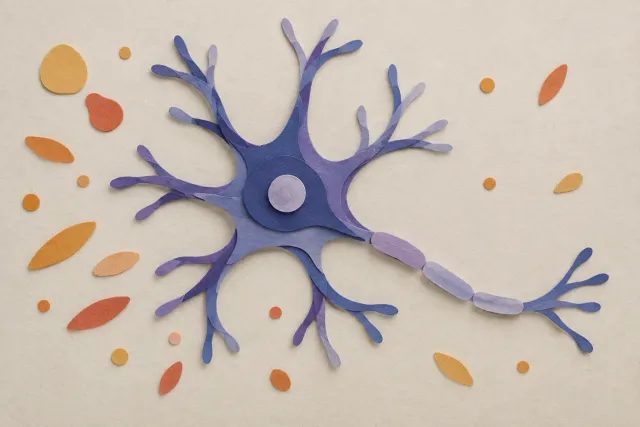
In mice, a brain cell protein limited MS-like inflammation
In mice with an MS-like disease, a protein in brain cells helped limit inflammation.

In mice, drug-carrying cells slowed MS-like disease
In mice with an MS-like disease, immune cells carrying a drug slowed disease progression and improved movement.

Metformin eased MS-like disease in female mice only
Metformin eased an MS-like disease in female mice, but not male mice.
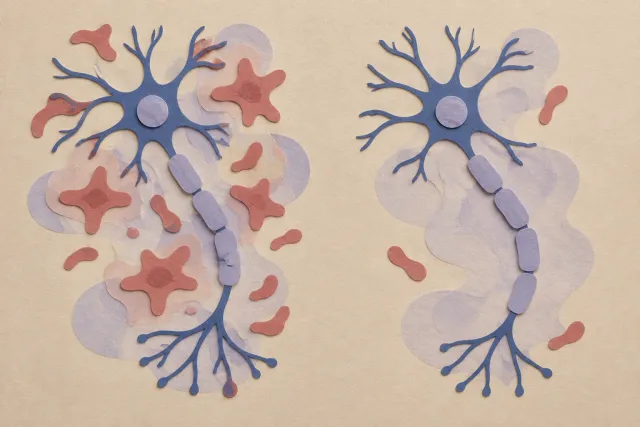
In mice, removing an immune gene eased MS-like disease
Mice missing an immune gene had milder MS-like disease and less inflammation in the nervous system.

MS risk factors shared changes in how genes are read
Several factors linked to developing MS also shared changes in how genes are read.
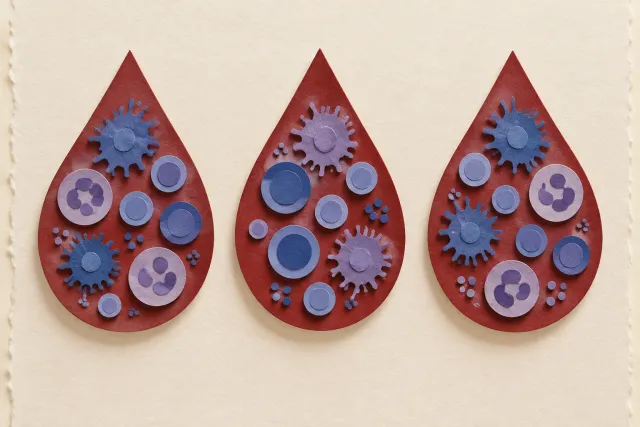
Blood immune cells differ in an MS look-alike disease
People with an MS look-alike condition had different patterns of immune cells in their blood than people with MS or healthy volunteers.

MS blood and spinal fluid had more active immune cells
People with MS had more inflammation-linked immune cells in their blood and spinal fluid than people with other nerve conditions.

Two diets lowered a measured aging score in MS studies
A modified ketogenic diet and intermittent calorie restriction each lowered an aging score in people with MS.

MS lab model: Drugs boosted myelin repair in cells
Three compounds increased myelin repair in lab-grown brain cells, but only when the model included immune cells.

Interferon beta reduced MS-like disease signs in mice
In mice, interferon beta reduced MS-like disease, while patient cell tests showed how it may affect harmful immune activity.
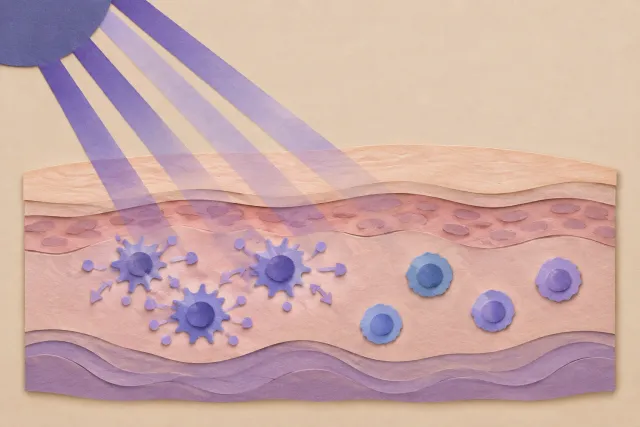
Ultraviolet light eased MS-like illness in some mice
Ultraviolet light eased MS-like illness in mice, but not when certain skin immune cells could not respond to it.

Blocking an immune switch slowed MS-like disease in mice
Blocking an immune switch slowed MS-like disease in mice and lowered signs of immune activity in cells from people with MS.

Review examines immune cells linked to MS inflammation
This review links a type of immune cell to inflammation in MS and other autoimmune diseases.

Metformin boosted myelin in MS-related cells and mice
Metformin increased production of myelin, the protective covering around nerves, in lab models using human cells.
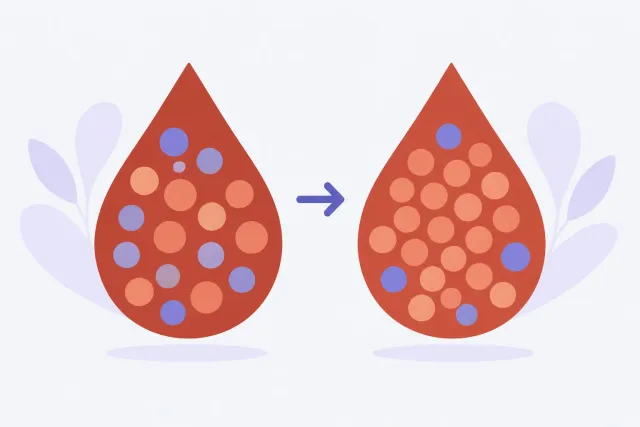
MS treatment changed blood cells linked to inflammation
After treatment that reduces B cells, inflammation-linked blood cells became more common in people with MS.
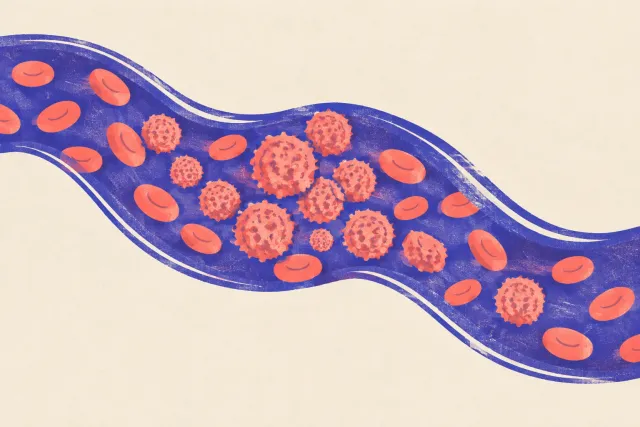
Blood immune cells rose during MS relapses in study
People having an MS relapse had more of a certain immune cell in their blood than people whose MS was quiet.
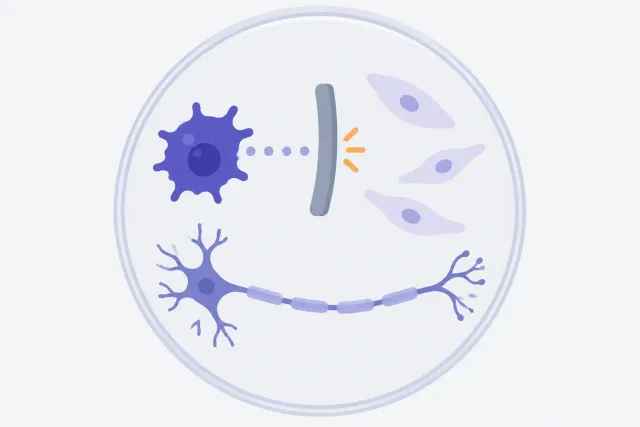
In cells, blocking an immune signal reduced MS-linked harm
Blocking a signal on immune cells reduced their harmful activity in lab tests, while higher levels of that signal were linked to inflammation in MS.
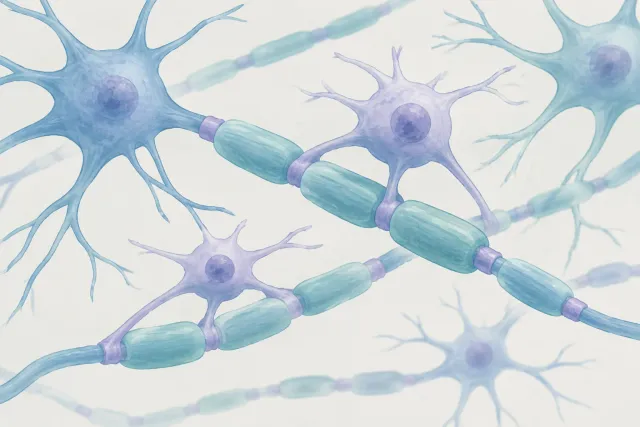
In mice, faulty cells slowed myelin repair; MS untested
In mice, faulty support cells slowed myelin repair, but the study did not test MS directly.

In MS-like mice, blocking harmful by-products eased pain
In mice with an MS-like disease, blocking harmful by-products reduced pain and anxiety-like behavior.
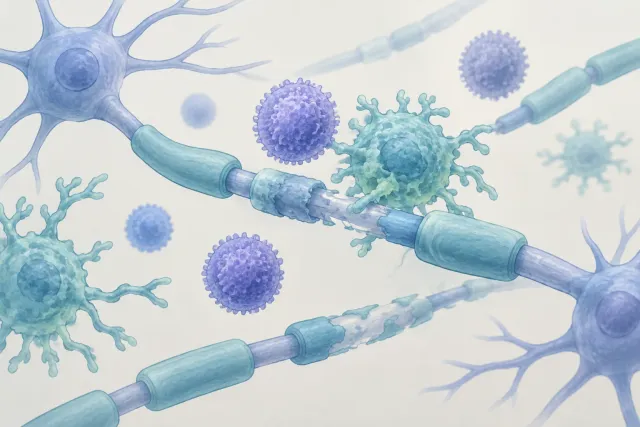
Mice lacking an immune brake had worse MS-like disease
Mice lacking a gene that helps control immune activity developed more severe MS-like disease.

Removing immune cells eased MS-like disease in mice
Removing two groups of immune cells eased signs of an MS-like disease in mice.

In mice, blocking an immune signal eased an MS look-alike
In mice with a condition often mistaken for MS, blocking an immune signal reduced disease severity and damage to brain cells.

Stem cell transplants repaired MS-like damage in mice
Transplanted stem cells helped repair damaged nerve covering in mice.

Genetic study identifies 18 possible MS drug targets
A study of genetic and protein data identified 18 possible targets for future MS drugs.
Review proposes monkey models to study MS virus link
This review proposes monkey models to study how the Epstein-Barr virus (a virus linked to MS) may contribute to MS.
In MS-like mice, immune cells increased near smell nerves
In mice with an MS-like disease, immune cells increased around nerves used for smell, and nearby skull bone marrow changed.

Blocking cell death reduced MS-like damage in mice
Blocking a cell death process in mice reduced MS-like nerve covering damage and inflammation.
Progressive MS brain tissue and mice lost key nerve cells
Donated brain tissue from people with MS and tissue from mice with an MS-like disease showed nerve cell loss and weaker energy activity.
In lab cells, defenses held back an MS-linked virus
In lab-grown immune cells, two cell defenses held back genes from a virus linked to MS.

In mice, nasal treatment eased MS-like brain damage
In mice with an MS-like disease, a nasal treatment reduced brain damage and helped damaged areas heal.

In mice, Fycompa reduced MS-like disease severity
In mice, perampanel reduced MS-like disease severity by keeping immune cells from leaving lymph nodes.

MS-like myelin loss fell in treated mice and monkeys
An experimental compound reduced myelin loss in mice with an MS-like disease and in marmosets.
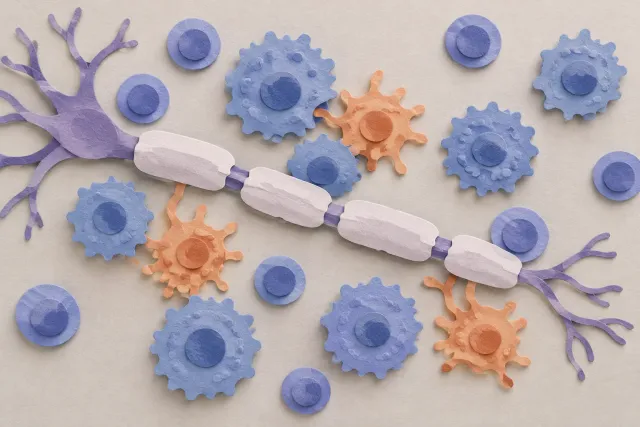
B-cell treatment shifted immune cells linked to MS inflammation
After B-cell treatment for MS, researchers found more inflammation-calming immune cells and fewer cells that react to myelin (the covering around nerves).
In donated MS brains, lost nerve links tracked shrinkage
In donated brains from people with MS, shrinkage in a deep brain area was linked to damaged nerve connections and changes in immune cells.

In relapsing MS, immune cells sent less calming signal
In relapsing MS, immune cells released less of a signal that helps calm other immune cells.
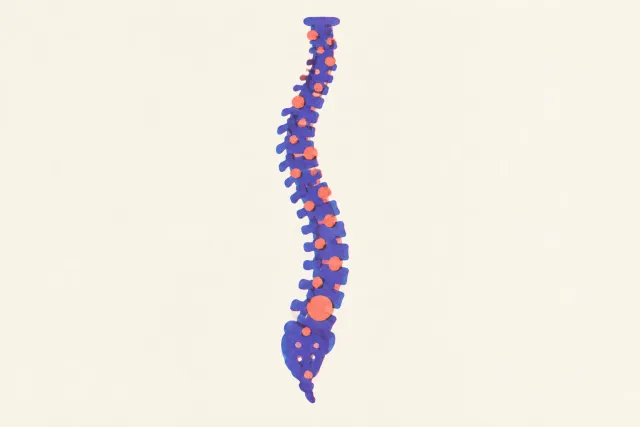
New lab method maps spinal cord fats in MS-like mice
A new lab method mapped changes in inflammation-related fats in the spinal cords of mice with an MS-like disease.

In MS-like mice, treatment helped or hurt movement
In mice with an MS-like disease, activating an immune switch eased nerve pain, but its effect on movement depended on sex chromosomes.

Removing an immune cell switch eased MS-like disease in mice
In mice with an MS-like disease, removing a molecule from certain immune cells reduced disease severity and helped the mice recover.
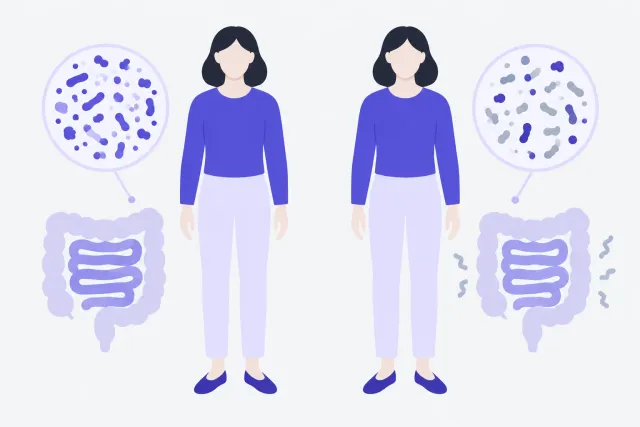
Gut bacteria from MS twins triggered MS-like disease in mice
Gut bacteria from people with MS triggered MS-like disease more often in mice than bacteria from their twins without MS.

In mice, loss of an immune switch reduced MS-like relapses
In mice, removing an immune switch reduced MS-like disease, especially during relapse.
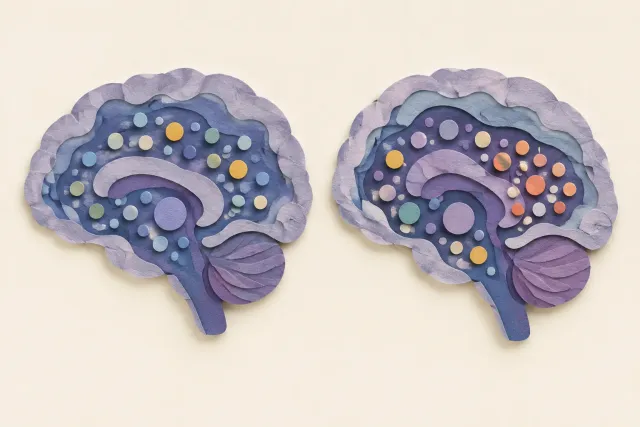
New lab map finds altered immune signals in MS brains
A new lab map found different levels of inflammation-related substances in MS brain tissue and brain tissue from people without MS.
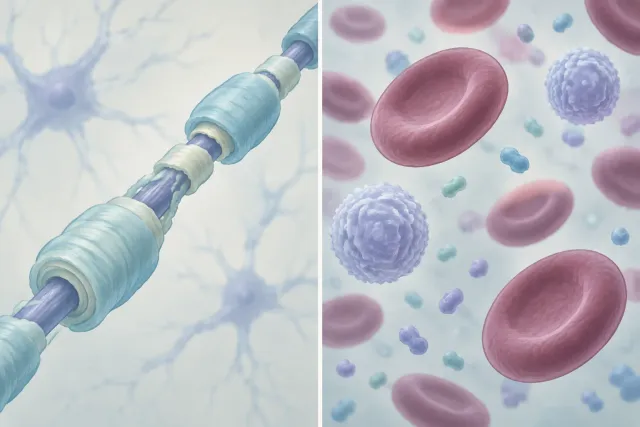
In MS and mice, a blood marker tracked myelin damage
In mice, a blood marker rose as myelin was lost and fell as it was repaired. It was also linked to myelin breakdown in people with MS.
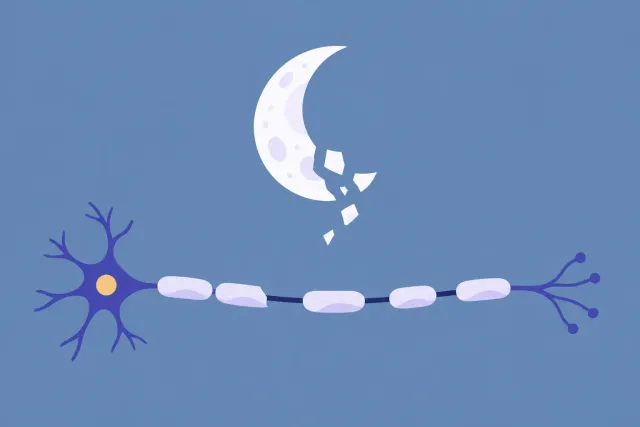
In mice, lost sleep worsened progressive MS-like disease
In mice, disrupted sleep worsened an MS-like disease, while results from an earlier trial linked a Mediterranean diet to improved MS symptoms.
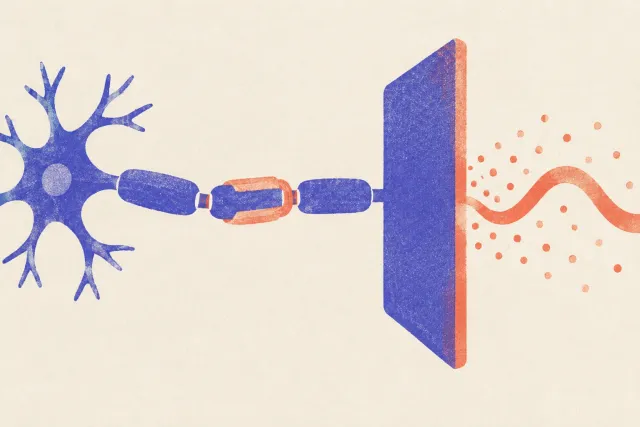
MS mouse study: Blocking a signal aided myelin repair
Blocking a signal released by blood immune cells improved myelin repair in mice.
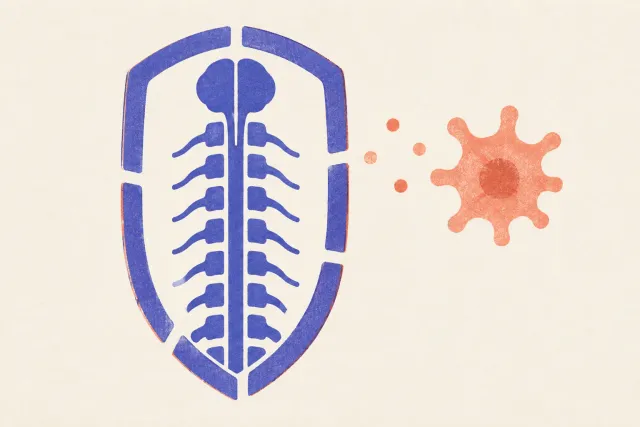
In MS-like mice, removing an immune signal eased damage
In mice with an MS-like disease, removing an immune signal reduced damage to the spinal cord’s protective barrier.

Removing an immune protein eased MS-like eye damage in mice
Removing an immune protein in mice eased early nerve damage in an MS-like disease, but did not prevent every sign of damage.
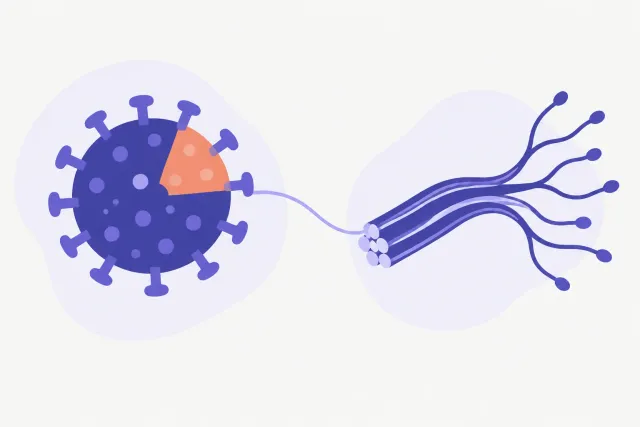
Epstein-Barr virus variant linked to MS risk in study
A version of an Epstein-Barr virus gene was linked to MS risk, and virus-related genes showed changes in MS blood and brain samples.
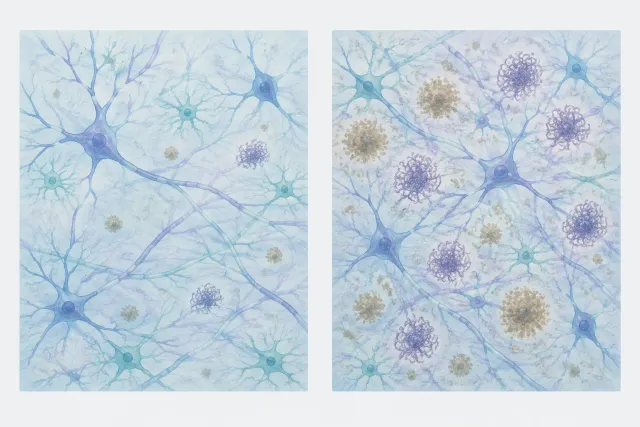
MS brains had fewer signs of Alzheimer's disease
Donated brain tissue from people with MS had less of two changes linked to Alzheimer's disease than tissue from people without MS.
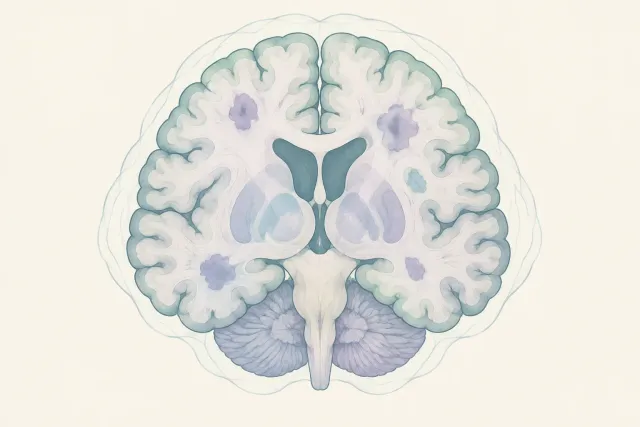
New tool measures MS brain changes in old hospital scans
A new tool measured MS lesions and brain shrinkage using older hospital brain scans.

MS theory links immune attacks on support cells to damage
The authors propose that MS may begin when the immune system attacks cells that control water and salts in the brain.
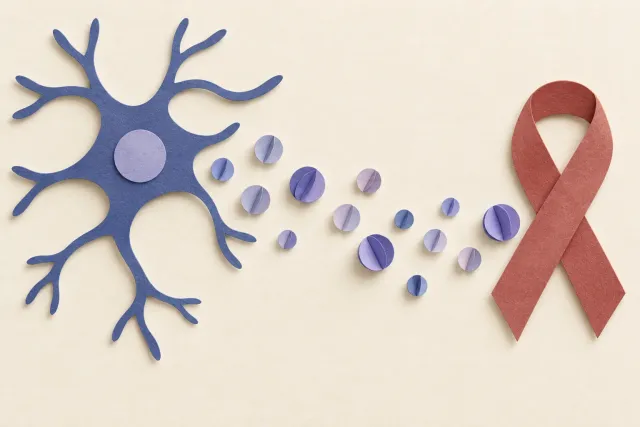
MS review explores tiny cell packages as blood clues
A review describes how tiny packages released by brain cells might help researchers study MS and other brain and nerve conditions.
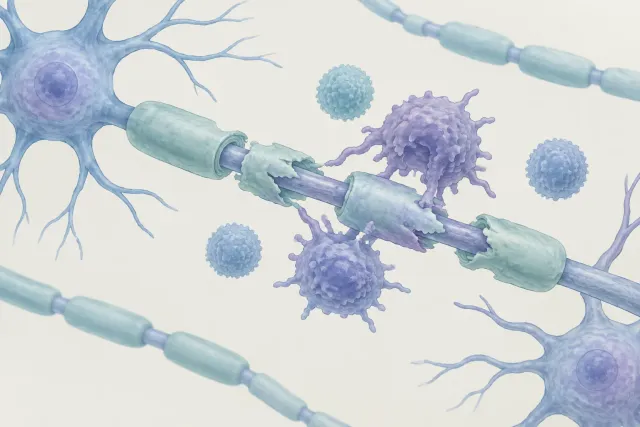
In mice with MS-like disease, maraviroc reduced damage
In mice with an MS-like disease, maraviroc reduced immune cell buildup, damage to nerve coverings, and disease worsening.

Check out the MS Buddy app
It’s free, with no ads. Built by people living with MS.


More on MS Buddy
 MS clinical trialsTrials recruiting now, by state, phase or treatment.
 Browse MS centers by stateThe full directory, with a page for each state and city.
 MS terms explainedThe words you hear at appointments, in plain language.
 Questions for your doctorMore than 200, grouped by what is going on with you.