Mental Wellness — MS Research News
Research on depression, anxiety, stress and cognitive health in MS — how common they are, how they interact with the disease itself, and what the evidence says about treating them.
- 17 studies
- From PubMed
- Plain language
Mental Wellness studies

Nurse-led support helped other illnesses, not yet MS
Nurse-led support reduced distress and improved coping in people with other long-term illnesses, but its benefits for people with MS remain unclear.

Can AI Help Make MS Diagnosis and Care More Personal?
AI may help doctors make sense of MS scans and health records, but it has not yet been proven to improve patient care.
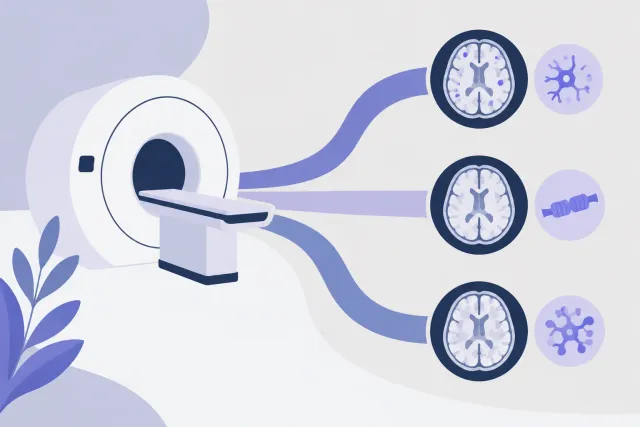
How MRI Scans Help Tell MS From Similar Conditions
Expert guidance says MRI scans can help doctors tell MS from two similar conditions and make better decisions about new symptoms and care.

Voice problems were greater with more disability in MS
People with MS who had greater disability reported more voice problems and vocal fatigue.
MS and Anxiety: A Better Way to Spot Worry About the Future
A short survey may help care teams understand how worry about an uncertain future relates to anxiety in people with MS.

MS and Suicide Risk: What to Share With Your Care Team
In a study of people with MS, past suicide attempts were more common among those with depression, a history of smoking, or difficult childhood experiences.

Could Voice Checks Help Track MS Changes From Home?
Voice recordings may one day help spot and track MS-related changes, but these tools are not ready for routine care.

MS and Sexual Health: What Women Can Ask Their Care Team
Sexual health concerns are common for women with MS, and talking about them with your care team can help you find support that fits your needs.

MS Care Lessons: Treating More Than Today's Symptoms
This review uses MS care as an example of why treatment should aim to prevent lasting harm, not only ease symptoms today.

Endometriosis and MS: What the Link Means for You Today
A review found that endometriosis and MS occur together more often than expected, but it does not show that either condition causes the other.

MS Thinking Tests: Why Some People Say No to Testing
In a study of 334 people with MS, those with progressive MS, anxiety-related disorders, or no concerns about their thinking were more likely to decline a thinking test.

What MS Research Says About Drugs That Calm Inflammation
Drugs used for diabetes and weight loss reduced inflammation in lab studies that included MS models, but there is no evidence yet that they help people with MS.

MS and Housing Challenges: How to Protect Your Care
Housing problems and forced moves can make MS care harder to access, but researchers need more evidence to understand the full impact.

MS and Pregnancy: Why Mental Health Check-Ins Matter
Mothers with MS may need mental health support during both their first and second pregnancies, so it is worth checking in about mood and anxiety each time.

How Sharing Your MS Symptoms May Improve Your Care
Symptom surveys can help your MS care team understand your daily life, but this review found that survey answers do not always lead to changes in care.

In MS, support shaped links between sharing and mood
Among adults with MS, sharing distress was linked to less anxiety and depression when support felt low, but more when support felt high.

Online mindfulness course to test depression in MS care
Researchers plan to test whether an online mindfulness course reduces depression in people with MS; the study has no results yet.

Check out the MS Buddy app
It’s free, with no ads. Built by people living with MS.


More on MS Buddy
 MS clinical trialsTrials recruiting now, by state, phase or treatment.
 Browse MS centers by stateThe full directory, with a page for each state and city.
 MS terms explainedThe words you hear at appointments, in plain language.
 Questions for your doctorMore than 200, grouped by what is going on with you.