MS Progression — MS Research News
Studies on how MS changes over time, including progression that happens without relapses (often called PIRA), the move from relapsing to secondary progressive MS, and what predicts faster or slower disability. Also covers the biology behind smoldering inflammation and what might slow it.
Brain connections helped predict brain shrinkage in MS
11/13/2026
Brain connections helped explain where brain tissue shrank in MS and improved predictions of future shrinkage.
Some with first optic nerve inflammation later had MS
11/12/2026
After a first episode of optic nerve inflammation, some people were later diagnosed with MS or another disease affecting the brain or spinal cord.

Could Helping Brain Cleanup Cells Protect Myelin in MS?
10/26/2026
In mice with long-lasting damage to myelin, the protective coating around nerves, helping brain cleanup cells handle waste reduced myelin damage and improved movement.

MS Brain Changes: What the Fluid Barrier May Reveal
10/15/2026
In MS, changes to the cells lining the brain’s fluid spaces may be linked to nearby brain damage, but this early finding does not yet change treatment.

New Lab Model May Help Find Ways to Repair MS Myelin
10/1/2026
Scientists built a human cell model that shows how damaged nerve coating can regrow, giving researchers a new way to study repair in MS.

MS treatment gains favor relapsing over progressive forms
7/2/2026
Treatments have improved outcomes for relapsing MS, but options for progressive MS remain limited.

Review examines brain cells linked to MS progression
6/3/2026
This review describes how cells in the brain and spinal cord may contribute to MS worsening despite treatments that target immune cells elsewhere.
Spinal fluid test distinguished MS from similar diseases
4/2/2026
A new spinal fluid test distinguished MS from related inflammatory diseases, including challenging cases.
In mice, an experimental drug reduced MS-like nerve damage
11/13/2025
In mice with MS-like disease, an experimental drug reduced immune attacks and damage to nerve fibers.

Tolebrutinib slowed disability in secondary progressive MS
4/8/2025
Tolebrutinib lowered the risk of worsening disability in people with secondary progressive MS who were not having relapses.
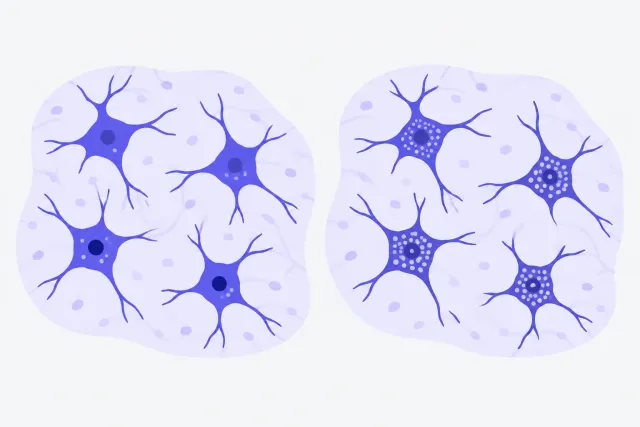
Donated MS brains show more DNA changes in lesion cells
3/4/2025
Nerve cells in long-standing MS lesions had more DNA changes than cells from other donated brain tissue.

Ocrevus cut disability worsening in high-risk relapsing MS
1/1/2027
In a high-risk group with relapsing MS, Ocrevus lowered the risk of disability worsening compared with interferon beta.

Could a Gut-Made Substance Help Reduce MS Activity?
11/6/2026
In children with newly diagnosed MS, higher levels of propionate—a substance made by gut bacteria—were linked to less MS disease activity.

New MS Research Points to Nerve Repair and Better Movement
10/30/2026
In mice with an MS-like illness, an experimental compound improved movement and helped repair damaged nerves, but it has not been shown to work in people.

Could Cell Energy Clues Help Improve MS Care One Day?
10/23/2026
Clues about how cells make energy may one day help doctors track MS, but these tests are not ready for routine care.

MS Genes: What They Reveal About Risk and Treatment
10/23/2026
MS genes help explain who may develop the disease and why treatments that calm the immune system can help, but they cannot yet predict what will happen to one person.

A New Immune Approach May Ease MS-Like Disease in Mice
10/7/2026
In mice with advanced MS-like disease, a 3D-printed implant helped calm the immune attack on nerve tissue, but it has not been tested in people.

Could a Blood Test Reveal Hidden MS Brain Activity?
10/6/2026
A blood substance called CHIT1 was linked to ongoing activity around some MS brain spots, but the test is not ready to guide care.
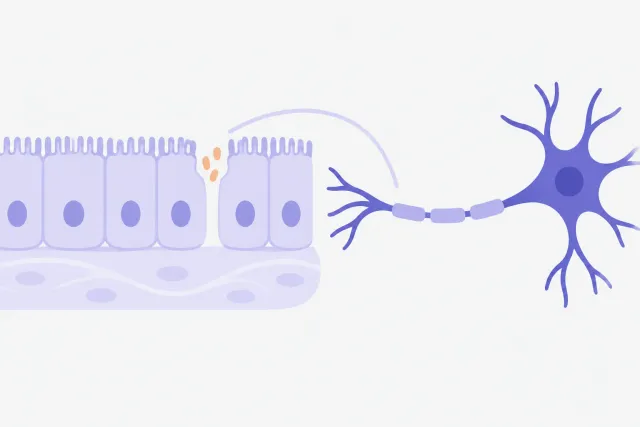
Review explores how gut wall changes may relate to MS
9/26/2026
This review proposes that changes in the gut wall may play a role in MS and other diseases involving attacks on the nervous system.

Genetic ancestry was not tied to worse MS disability
9/25/2026
In this UK study, African and South Asian genetic ancestry were not consistently linked to worse MS disability than European ancestry.
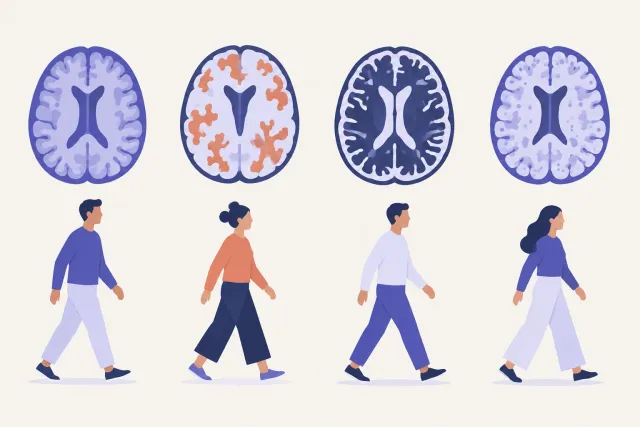
Brain scans found MS groups with different disability
9/23/2026
Brain scans identified four MS groups that differed in disability and in how soon people worsened without a relapse.
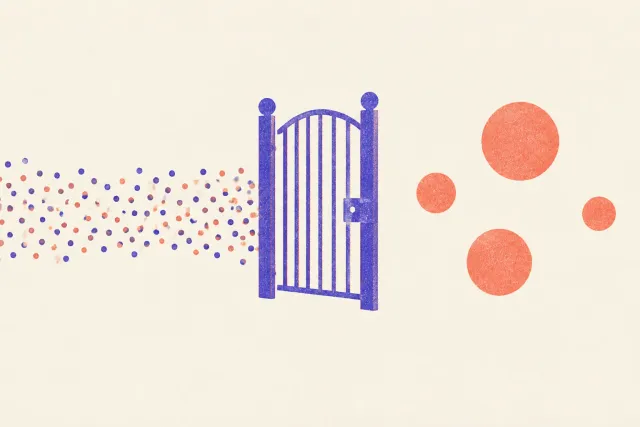
In mice, immune treatment eased progressive MS-like disease
9/16/2026
In mice with progressive MS-like disease, blocking an immune signal reduced disease signs, while removing B cells did not.
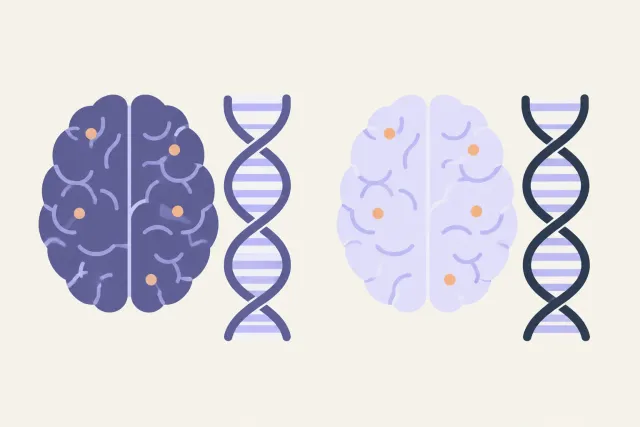
MS severity differed by genes, not just brain lesions
8/21/2026
In donated MS brains, genetic groups differed in disease severity, but the group with worse outcomes did not have more active brain lesions.

MS: Timed treatment restored mouse myelin cell activity
8/7/2026
In mice, a timed treatment restored the activity of myelin-making cells after damage, while cells from people with MS showed related changes.

Blood marker may flag MS worsening without relapses
8/3/2026
A blood marker was linked to a higher risk of MS worsening without a relapse.

MS drug switches after silent MRI spots: fewer relapses
7/24/2026
People with relapsing MS who switched to stronger drugs after silent brain scan spots had fewer later relapses than those who stayed on treatment.

Self-run tests detected MS worsening without relapses
7/6/2026
Patient reports and self-run tests identified MS worsening without reported relapses, though they only partly agreed with a doctor's disability rating.

Blood immune cells predicted worse MS after a first attack
6/30/2026
At a first MS-like attack, higher levels of certain blood immune cells predicted a more severe MS course two years later.
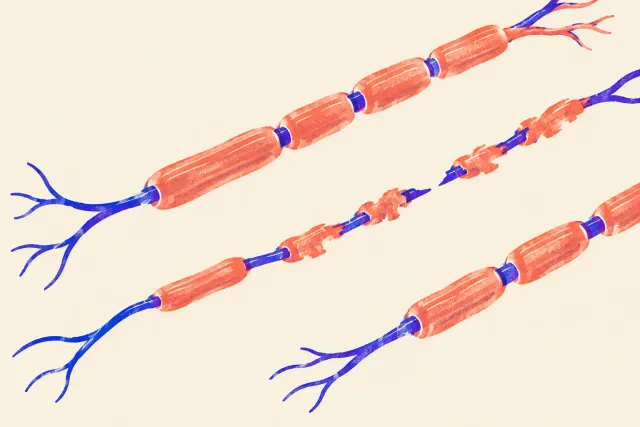
Donated MS brains link tissue damage to disease severity
6/25/2026
In donated MS brains, patterns of inflammation and nerve covering repair were linked to genetic differences and disease severity.

High-fat, low-carb diet eased mouse nerve injury in MS study
6/18/2026
In mice, a ketogenic diet (a high-fat, low-carb diet) eased nerve injury after researchers disrupted how myelin-making cells get energy.

New tool predicts MS worsening after a first attack
6/10/2026
A new tool predicted which people were more likely to have another attack or worsening disability after a first MS-like attack.

MS review proposes broader ways to predict disability
5/19/2026
A research group proposed a broader way to predict how MS may change over time, but it has not been tested as a single tool.

Review explores how low oxygen may drive MS worsening
4/28/2026
A review suggests that low oxygen in body tissue may help keep slow-burning inflammation going as MS worsens.
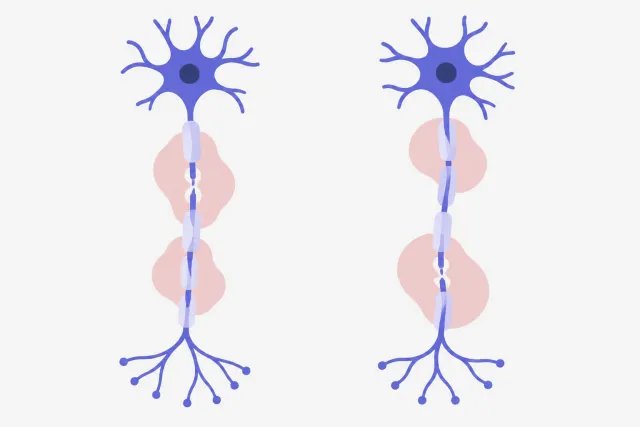
Progressive MS and a virus-linked disease share damage
4/2/2026
This review found shared patterns of inflammation and nerve damage in progressive MS and a virus-linked spinal cord disease.
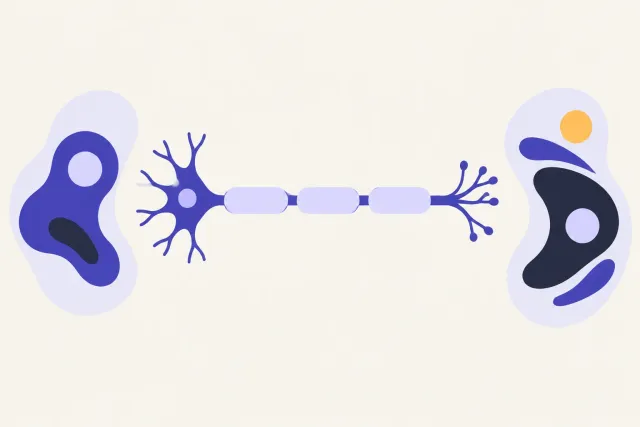
In mice, two drugs proposed for MS damaged myelin
3/24/2026
Two drugs tested together damaged myelin in mice and disrupted cells that make myelin in a lab dish.
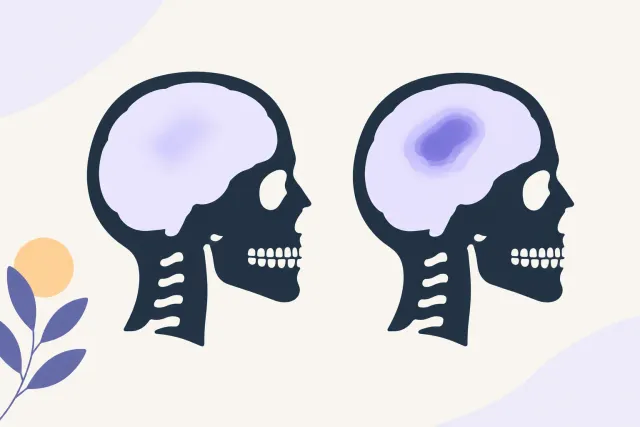
Skull scan signal was higher in secondary progressive MS
3/9/2026
A skull scan signal was higher in secondary progressive MS and was linked to greater disability.

Earlier Briumvi use linked to less MS worsening at 5 years
2/16/2026
Adults with relapsing MS who started Briumvi earlier had fewer flare-ups and less disability worsening after five years.

Stronger MS drugs did not curb relapse-free worsening
2/14/2026
Stronger MS treatments did not reduce worsening that happened without a relapse or new changes on brain scans.
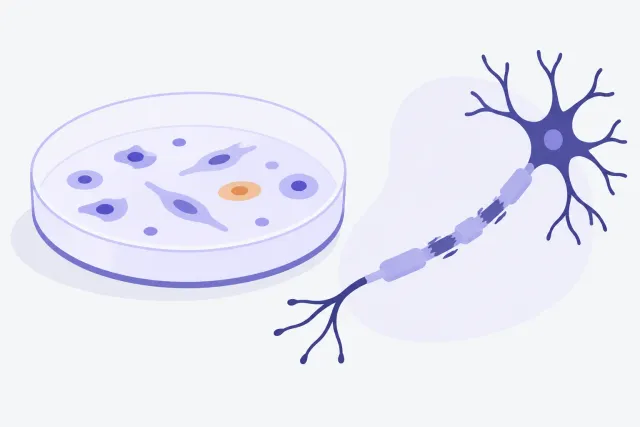
Lab-grown immune cells may help study worsening in MS
2/13/2026
This review says lab-grown human brain immune cells may help researchers study why MS gets worse over time.

Inherited gene change linked to less MS disability over time
2/4/2026
People with an inherited gene change had less disability after more than 20 years with MS and fewer signs of ongoing nerve damage.

Spinal cord shrinkage helped predict MS worsening
1/12/2026
Spinal cord shrinkage was the strongest predictor of disability and helped predict MS worsening without a relapse.

In an MS-related experiment, oxygen cut lasting damage
12/15/2025
In an experimental nervous system injury, nimodipine and extra oxygen reduced lasting tissue loss and disability.

New MS cases stayed steady as infections fell in Japan
12/8/2025
In Japan, new MS cases stayed steady after pandemic measures sharply reduced infections.

Spinal fluid study maps changes linked to MS disability
12/3/2025
In people with MS, changes in spinal fluid were linked to disability and brain scan findings.

Blood Test Plus MRI May Better Predict New MS Lesions
12/2/2025
A blood test combined with MRI scans identified two MS patterns, one linked to a higher chance of new lesions.

In mice, brain immune cells differed as MS worsened with age
12/1/2025
In mice with an MS-like disease, different patterns of immune cells in the brain were linked to how severe the disease became with age.
Review: Sex and gender may shape frailty in MS care
11/21/2025
A review found that sex and gender may shape frailty in MS and other neurological conditions.

Blood tests predicted MS worsening or relapses on Gilenya
11/14/2025
Two blood markers pointed to different risks for people with MS taking Gilenya: worsening without a relapse and future relapses.

Children with MS had fewer relapses on pills or infusions
11/6/2025
Children switching from MS shots to pills or infusions had fewer relapses than children switching to different shots.
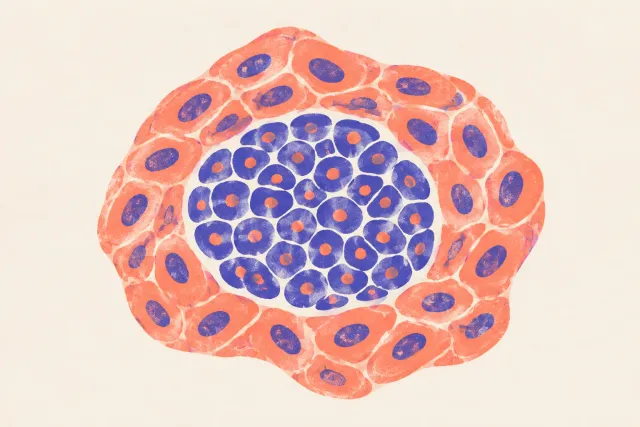
Lab mapping finds active support cells inside MS lesions
11/1/2025
Support cells in the centers of long-lasting MS lesions had different protein patterns than cells in nearby tissue.
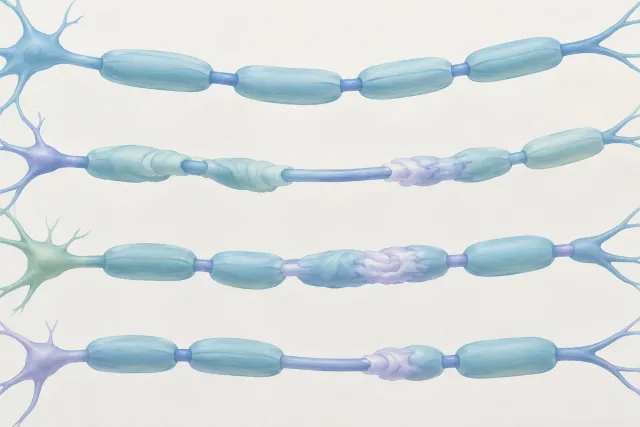
Myelin repair may slow with age in people with MS
10/6/2025
Myelin repair may decline with age in people with MS, but the evidence is mixed and repair can still happen later in life.

Spinal fluid test distinguished MS from other conditions
10/3/2025
A spinal fluid test distinguished people with MS from people with other nerve conditions and helped predict later disability.
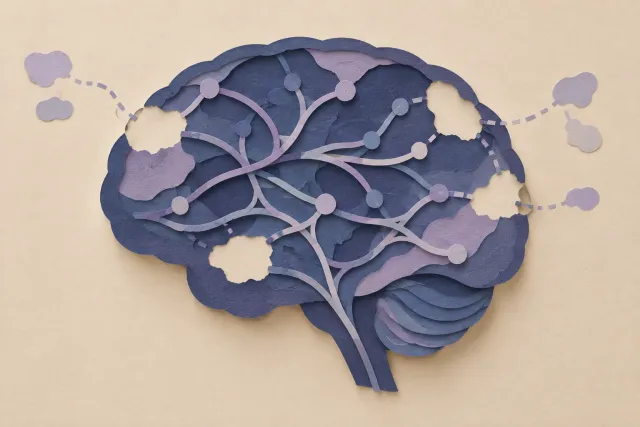
Brain scan finds hidden nerve connection loss in MS
10/1/2025
A specialized brain scan found nerve connection loss in people with MS, including damage beyond the areas seen on MRI.

Menopause did not speed up disability in women with MS
9/29/2025
Menopause was not linked to faster disability worsening in women whose MS began with relapses.
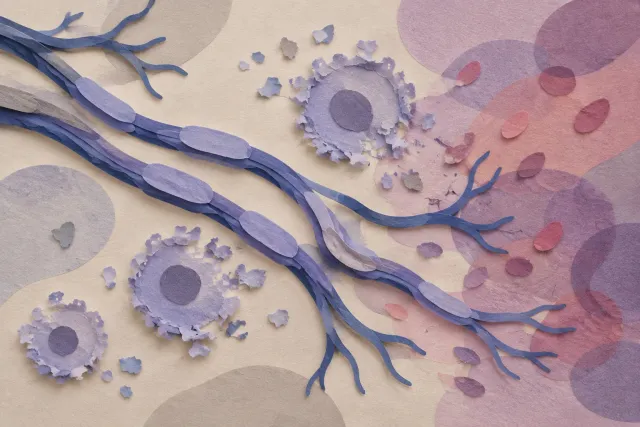
Review links cell death to nerve damage across MS stages
9/9/2025
A review found growing evidence that cell death may both result from inflammation and add to nerve damage in MS.

MS brain tissue can change even outside visible lesions
8/10/2025
This review describes changes in MS brain tissue that looks normal and discusses how they may relate to worsening disability.
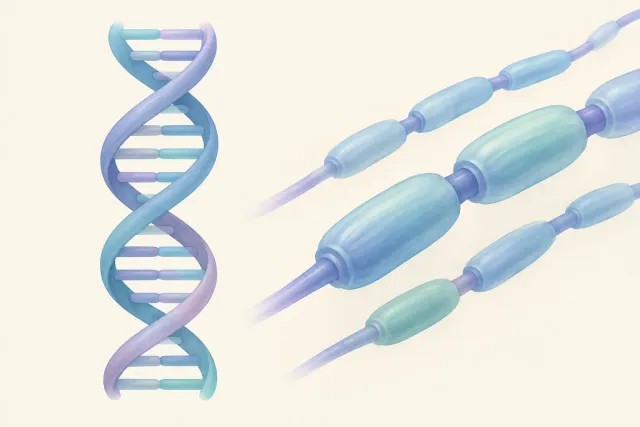
Depression-related genes linked to more MS relapses
8/7/2025
Adults with a higher inherited risk of depression had more MS relapses, but the study does not show that those genes caused them.

Stem cell transplants cut MS relapses more than two drugs
8/4/2025
In matched groups with relapsing MS, stem cell transplants were linked to fewer relapses and more disability improvement than Mavenclad or Lemtrada.
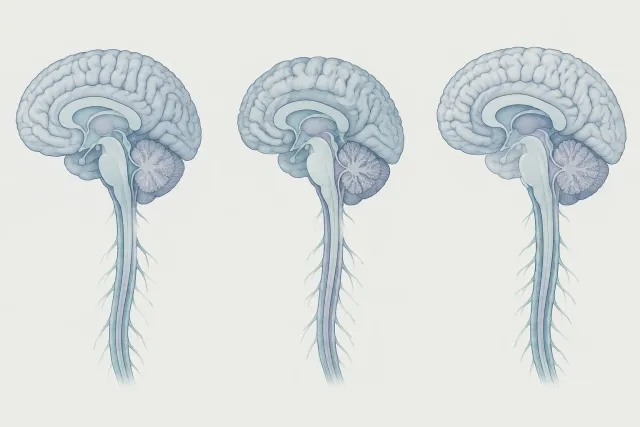
MRI finds different brain loss in MS and look-alikes
7/29/2025
MRI scans found different patterns of brain and upper spinal cord shrinkage in MS and two conditions often mistaken for MS.

Removing immune cells eased MS-like disease in mice
7/23/2025
Removing two groups of immune cells eased signs of an MS-like disease in mice.
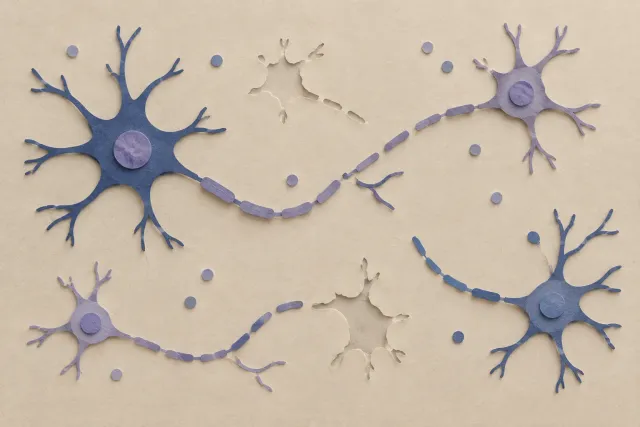
Progressive MS brain tissue and mice lost key nerve cells
6/24/2025
Donated brain tissue from people with MS and tissue from mice with an MS-like disease showed nerve cell loss and weaker energy activity.
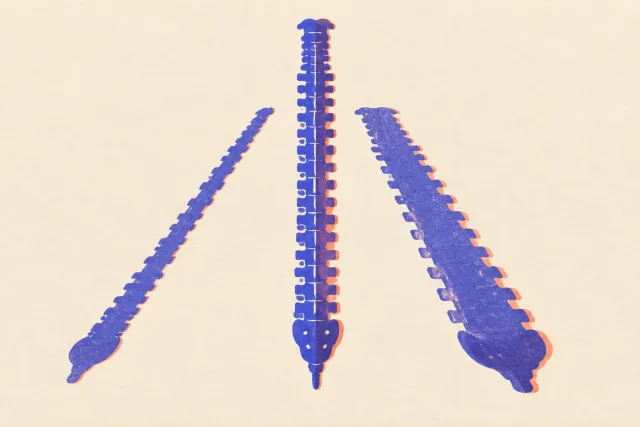
Steroids reduced misleading spinal cord shrinkage in MS
6/24/2025
In newly diagnosed MS, high-dose steroids before the first scan were linked to less misleading spinal cord shrinkage after treatment began.
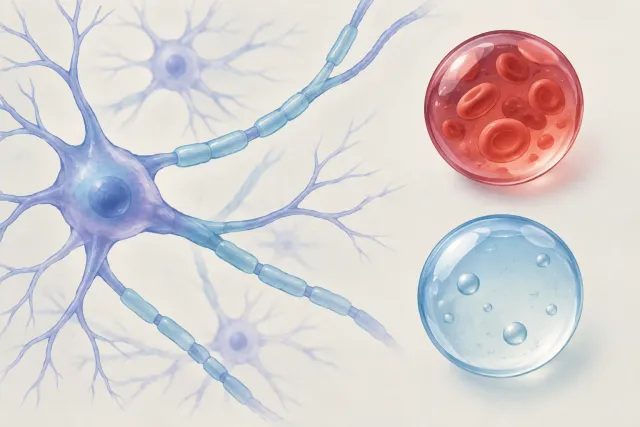
Blood and spinal fluid clues predicted MS symptoms
6/2/2025
In people whose scans showed possible MS but who had no symptoms, blood and spinal fluid signs were linked to later MS symptoms.

In donated MS brains, lost nerve links tracked shrinkage
5/28/2025
In donated brains from people with MS, shrinkage in a deep brain area was linked to damaged nerve connections and changes in immune cells.

Structural racism may shape MS risk and disability
5/27/2025
This article argues that structural racism may help explain differences in MS risk and disability across racial and ethnic groups.

Clemastine linked to faster disability in progressive MS
5/15/2025
In a small trial, people with progressive MS taking clemastine had faster disability worsening than other trial participants.

Stem cell transplant had fewer relapses than MS drugs
4/19/2025
People with relapsing MS who had a stem cell transplant had fewer flare-ups than those taking Lemtrada or Ocrevus.

MS worsening without relapses varies by study rules
4/14/2025
The rate of MS worsening without relapses changed depending on how researchers defined and measured it.

MS starting after 50 showed less nerve-covering repair
4/1/2025
In people whose MS began after age 50, brain tissue showed less evidence of nerve-covering repair than in people whose MS began earlier.

New lab images find a virus in progressive MS brains
3/18/2025
A new lab imaging method found signs of the Epstein-Barr virus in damaged areas of brains with progressive MS.
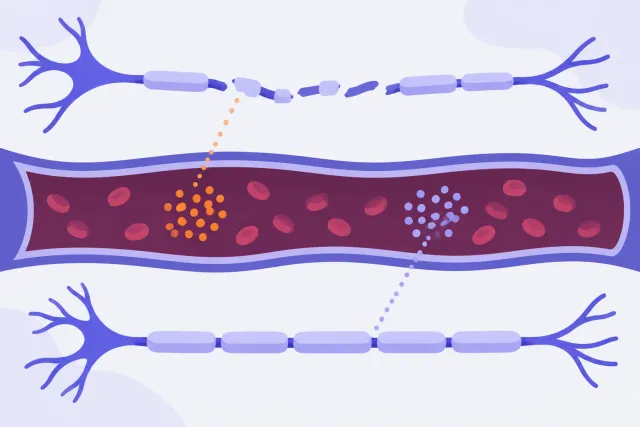
Blood chemicals linked to MS onset and less worsening
2/27/2025
Two blood chemicals were linked to higher chances of developing MS, while several others were linked to less disability worsening after MS began.
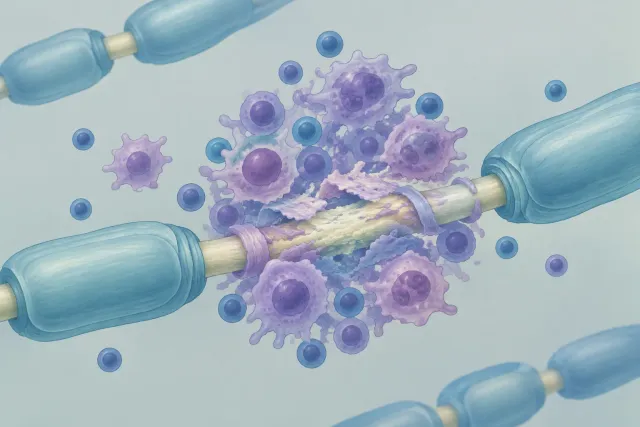
Aging cells clustered in active lesions in progressive MS
2/1/2025
In donated tissue from people with progressive MS, aging cells were more common in active areas of myelin damage.

Brain scans show early differences in children with MS
1/18/2025
Brain scans showed early changes near the brain’s fluid spaces in children with MS, and those changes were linked to brain damage.

MS study: A drug helped mice repair damaged myelin
1/8/2025
In mice, bryostatin-1 helped repair damaged myelin, the protective covering around nerves.

Brain scans find early energy changes in MS nerve tissue
12/23/2024
Brain scans found changes in how nerve tissue uses energy early in MS, with larger changes in people who had more disability.
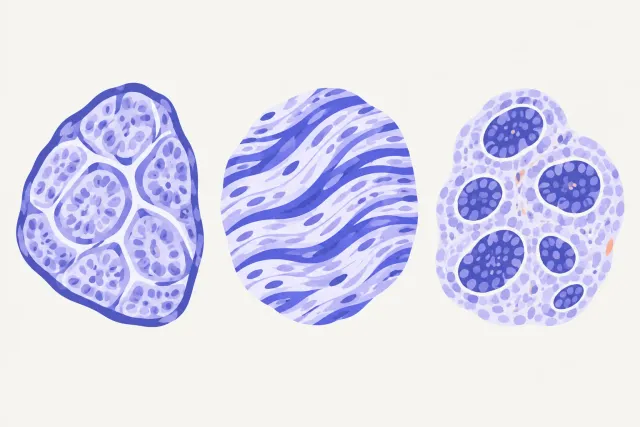
New lab method finds differences between progressive MS brains
12/20/2024
A new lab method found differences between donated MS brains that were greater than differences between types of MS lesions.
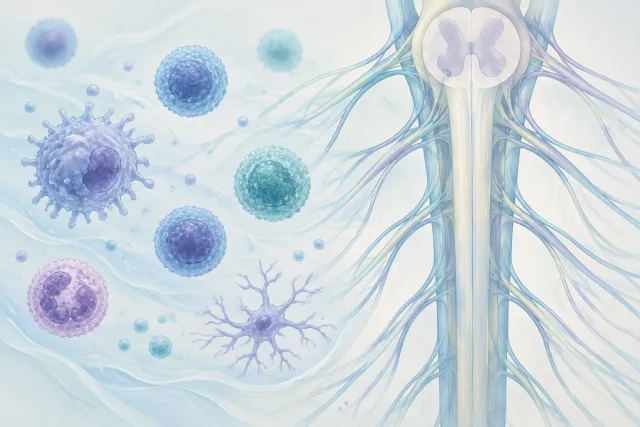
Spinal fluid cell test found patterns tied to progressive MS
12/12/2024
A test of immune cells in spinal fluid found patterns linked to progressive MS and disability levels.

Progressive MS gut bacteria raised disease risk in mice
10/22/2024
A type of gut bacterium was more common in progressive MS and made mice more likely to develop an MS-like disease.

Study links obesity to worse long-term MS disability
10/21/2024
Genetic evidence linked higher body weight to worse long-term disability in people with MS.
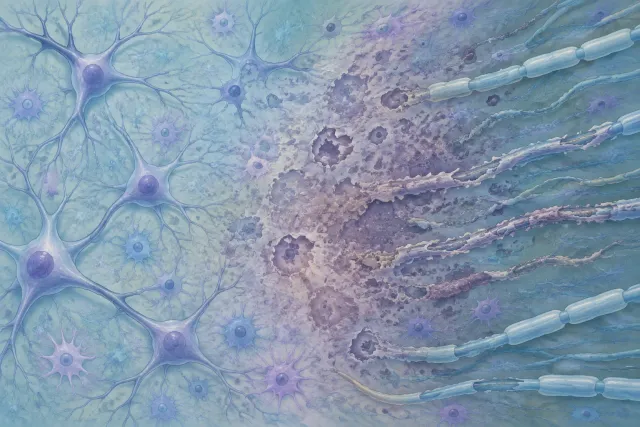
In progressive MS, slow-growing lesions tracked brain damage
10/18/2024
In donated MS brains, slow-growing areas of damage appeared alongside signs of nerve cell injury and loss.

Blood tests may flag MS worsening without relapses
10/16/2024
In people with MS starting drugs that remove B cells, two blood markers showed different links to worsening without relapses.

New brain scans track repair and damage in MS lesions
10/10/2024
Detailed brain scans found signs of both repair and damage in MS lesions over two years.

MS disability worsened more slowly in recent years
10/9/2024
Disability worsened more slowly in people diagnosed with relapsing MS more recently, including worsening that happened without a relapse.

Rituximab cut MS relapses; infections rose after switch
10/1/2024
People taking rituximab had fewer MS relapses, but those who switched to it had more serious infections.

Tracking progressive MS needs more than disability scores
10/1/2024
This review says disability scores alone may miss changes in progressive MS that scans, lab tests, and patient reports can help capture.
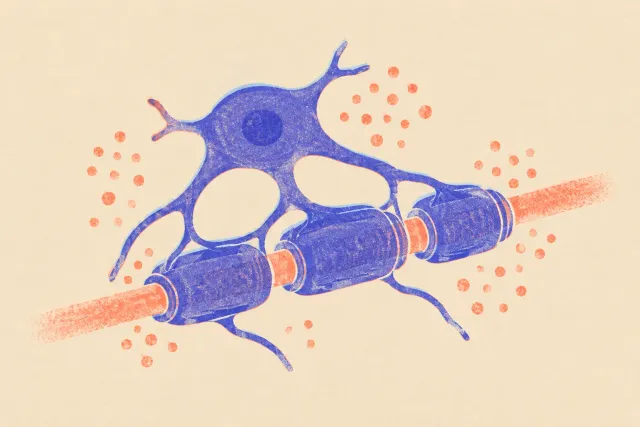
Review: Myelin-making cells may shape MS progression
10/1/2024
A review proposes that cells that make myelin may help shape inflammation and disease progression in MS.
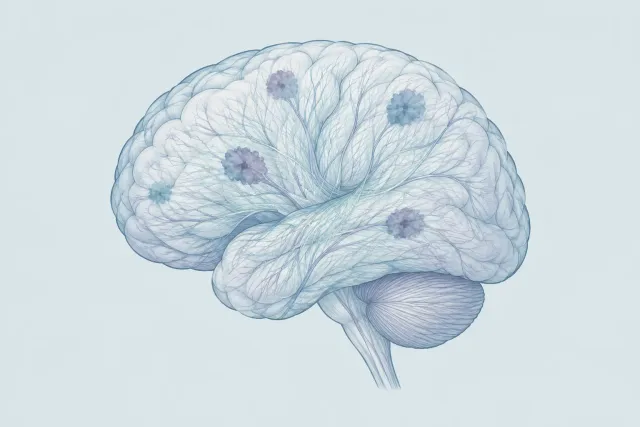
More health conditions linked to MS relapses or new lesions
9/18/2024
People with MS who had more other health conditions were more likely to have a relapse, worsening disability, or new brain scan lesions.
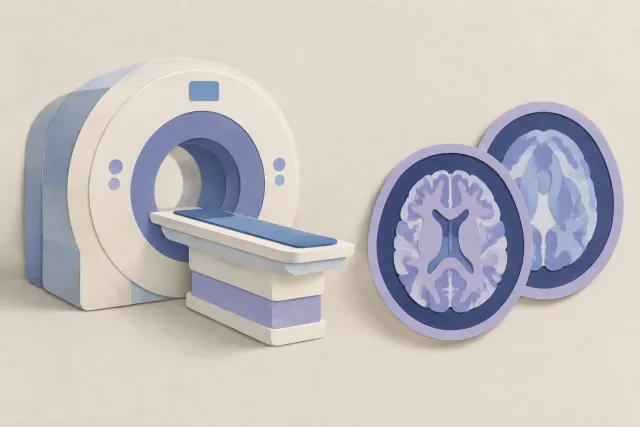
MRI helps diagnose MS, but misuse can lead to errors
9/1/2024
MRI helps diagnose MS early, but using scan results incorrectly can lead to a wrong diagnosis.

Blood and Spinal Fluid Tests May Help Track MS Over Time
9/1/2024
Blood and spinal fluid tests may help doctors diagnose MS, predict its course, and track changes over time.

MS disability may worsen without relapses from early on
9/1/2024
This review describes how MS disability can worsen without relapses, even early in the disease.

MS optic nerves showed changes in normal-looking tissue
4/1/2023
In donated tissue from people with MS, normal-looking areas of the optic nerve had changes to nerve coverings linked to more immune cells.
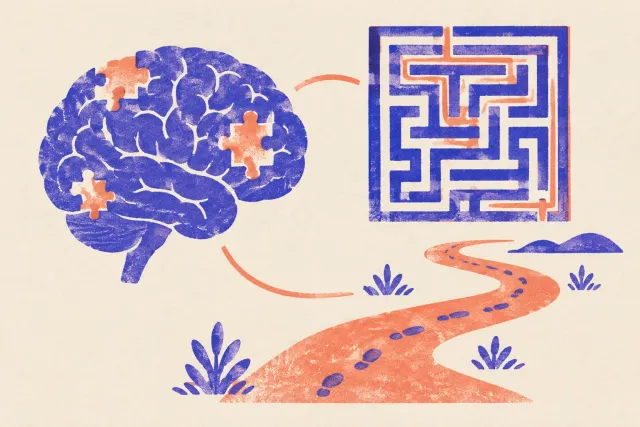
Brain tissue loss tracks thinking and disability in MS
4/1/2023
In MS, patterns of brain tissue loss were linked to disability and thinking problems.

MS worsening without relapses may start early in disease
4/1/2023
This review says MS can worsen without relapses, even early in the disease.
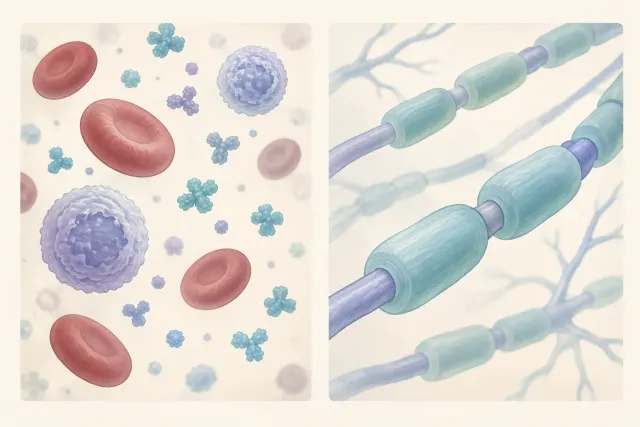
Early blood test linked to later MS disability worsening
4/1/2023
Higher levels of a blood marker after a first MS-like attack were linked to greater disability worsening years later.

Stem cells linked to less brain loss in progressive MS
3/21/2023
An early stem cell transplant trial in MS reported less loss of gray matter, a type of brain tissue.

In older MS, more lesions weaken brain-thinking links
11/12/2026
In older adults with MS, having more lesions on the brain's outer layer weakened links between brain activity and thinking speed.

MS Hospital Stays: Why Mental Health Checks Matter
11/9/2026
People hospitalized with MS had more anxiety, depression, and long-lasting pain than other hospital patients, making it important to ask about these concerns during care.

Could MS Brain Scans Help Predict Future Thinking Changes?
11/4/2026
In this study, the condition of the nerve-protecting coating in MS brain lesions was linked to thinking speed and visual memory four years later.

MS Changes Without Relapses: What to Watch For in Care
11/3/2026
MS can gradually affect daily life even without relapses, so regular check-ins should look beyond walking.

Can MRI Scans Help Tell a True MS Relapse From a Flare?
11/3/2026
In two MS treatment trials, counting only relapses with new changes on an MRI scan made the difference between the medicines look much larger, but symptoms still matter even when a scan shows no new change.