Clinical Trials — MS Research News
Results and design news from MS trials, written for the people a trial is about rather than for researchers. Covers what a trial found, who was in it, how long it ran, and what the result does and does not mean for care today.

MS Brain Changes: What the Fluid Barrier May Reveal
10/15/2026
In MS, changes to the cells lining the brain’s fluid spaces may be linked to nearby brain damage, but this early finding does not yet change treatment.
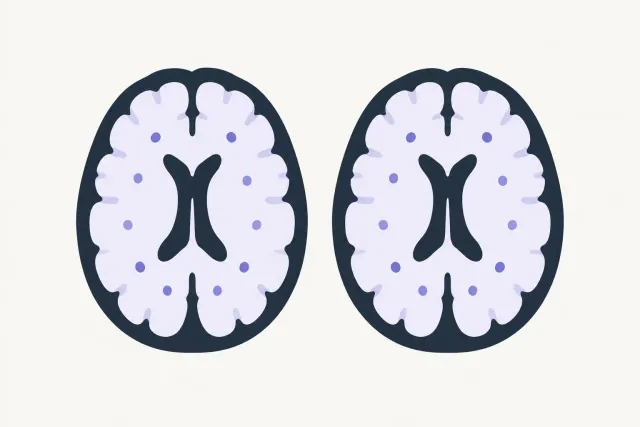
Rituximab and Ocrevus had similar MS brain scan results
7/2/2026
Rituximab and Ocrevus had similar brain scan results in adults with newly diagnosed relapsing MS.
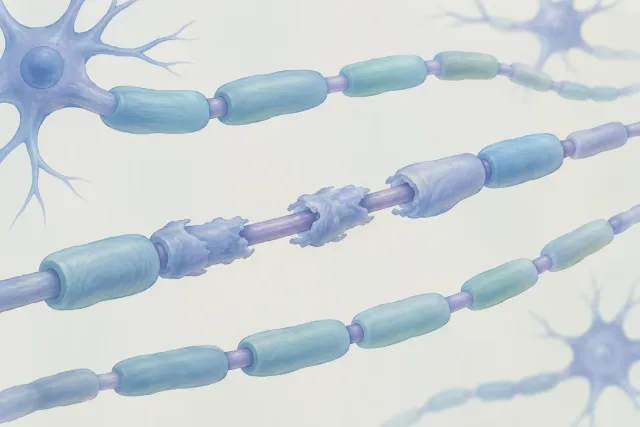
Tolebrutinib did not cut MS relapses more than Aubagio
4/8/2025
In two trials of relapsing MS, tolebrutinib did not reduce flare-ups more than Aubagio.

Tolebrutinib slowed disability in secondary progressive MS
4/8/2025
Tolebrutinib lowered the risk of worsening disability in people with secondary progressive MS who were not having relapses.

MS Treatment and Gut Health: What New Research Found
10/22/2026
In a Swedish study, people with MS taking rituximab were more likely to develop inflammatory bowel disease than those taking three other MS treatments, though the overall risk was low.

Can AI Help Make MS Diagnosis and Care More Personal?
10/13/2026
AI may help doctors make sense of MS scans and health records, but it has not yet been proven to improve patient care.

Could Red Blood Cells Help Calm MS Immune Attacks?
10/9/2026
In a mouse study, red blood cells carrying disease-related pieces helped calm MS-like immune attacks, but this approach is not yet a proven treatment for people with MS.

MS Study Finds Hidden Immune Cells That Treatment Targets
10/6/2026
A study found that some immune cells in MS swap identifying tags, and an MS treatment removed these cells in the study.

What Immune Clues May Reveal About MS Risk in Children
10/6/2026
In this study, children with MS were more likely to have immune proteins that target the brain and spinal cord, suggesting that trouble controlling these attacks may play a role in MS risk.

Starting MS Treatment Early May Help Protect Mobility
10/5/2026
In a 10-year study, people who started ocrelizumab earlier were less likely to have lasting disability than those who started it two years later.

A New Clue to MS Inflammation and Future Treatments
10/1/2026
Researchers found that a body chemical linked to MS inflammation made disease worse in mice, while blocking its production eased their symptoms.
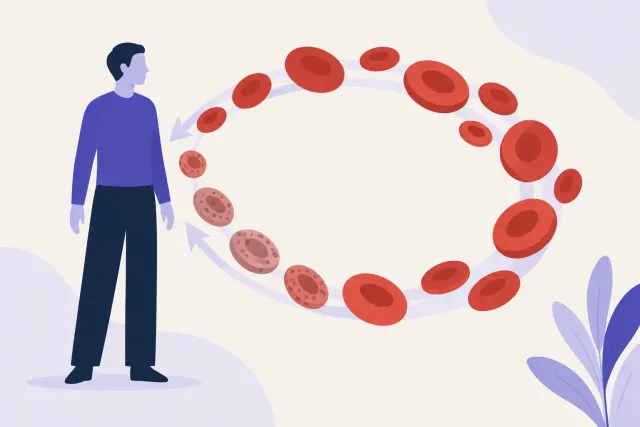
Early MS trial: Modified blood cells were well tolerated
9/8/2026
In an early MS trial, people tolerated a treatment made from their own red blood cells, and several health measures stayed stable.

Ocrevus: Half of Black and Hispanic adults had no MS activity
7/30/2026
After 48 weeks on Ocrevus, about half of Black and Hispanic adults with relapsing MS had no signs of disease activity.

Propionic acid lowered a blood sign of nerve damage in MS
7/6/2026
In adults with stable MS, propionic acid lowered a blood marker linked to nerve damage over 90 days.

Earlier Briumvi use linked to less MS worsening at 5 years
2/16/2026
Adults with relapsing MS who started Briumvi earlier had fewer flare-ups and less disability worsening after five years.

Trial drug did not improve scores in two MS studies
7/23/2025
Elezanumab did not improve the main study score in either trial of people with relapsing or progressive MS.

Clemastine linked to faster disability in progressive MS
5/15/2025
In a small trial, people with progressive MS taking clemastine had faster disability worsening than other trial participants.
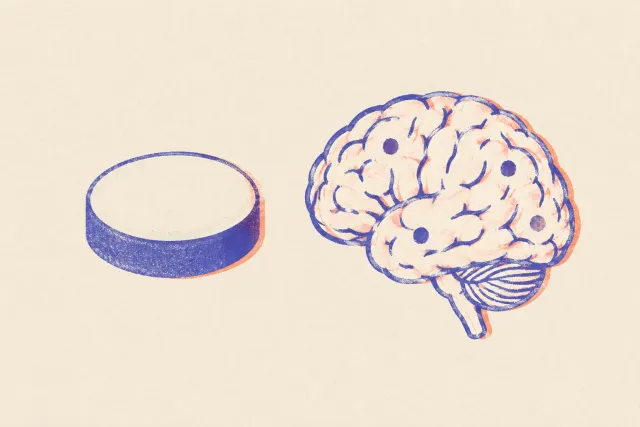
High-dose vitamin D cut new lesions after first MS attack
3/10/2025
High-dose vitamin D reduced new brain lesions after a first MS-like attack, but it did not clearly reduce relapses.

Stopping MS drugs raised brain scan activity in stable MS
12/9/2024
People with stable MS who stopped first-line treatment had more new brain scan changes than those who continued.

Evobrutinib did not beat Aubagio for MS flare-ups in trials
11/1/2024
Evobrutinib did not reduce MS flare-ups more than Aubagio, and serious health problems were more common with evobrutinib.

Can MRI Scans Help Tell a True MS Relapse From a Flare?
11/3/2026
In two MS treatment trials, counting only relapses with new changes on an MRI scan made the difference between the medicines look much larger, but symptoms still matter even when a scan shows no new change.

After MS Treatment: How Long Can Disease Stay Quiet?
11/1/2026
Many people with relapsing MS stayed stable for years after finishing a two-year course of cladribine, but regular checkups remained important because disease activity returned for some.

A Closer MRI Look May Help Clarify Your MS Diagnosis
10/31/2026
A special type of MRI may help doctors tell whether spots in the brain are linked to MS, but the images need careful review.

New MS Diagnosis Rules May Help Spot Early Disease Signs
10/29/2026
The 2024 MS diagnosis rules identified some people who did not meet the older rules but already had blood and brain scan signs of MS-like damage.

MS Treatment May Slow Disability Across Diverse Groups
10/28/2026
In these MS trials, ocrelizumab was linked to less disability worsening across the groups studied, though the result was less certain for Black participants because that group was small.

Could Blocking an Immune Signal Help Control MS Activity?
10/27/2026
Blocking a message that helps switch on immune cells may be a promising way to treat MS, but more research is needed to show how well it works.

Could an MS Walking Drug Help Vision After Eye Attacks?
10/27/2026
In a study of a condition different from MS, people who added fampridine to treatment for a severe eye attack had better vision recovery than those who did not.

MS Myelin Repair: What New Research Means for Your Care
10/25/2026
A review of myelin repair research explains why fixing damaged nerve coating in MS is difficult and why researchers are studying ways to help it regrow.

MS Treatment: What Predicts Fewer Relapses Over Time?
10/22/2026
In a Danish study, people with relapsing MS had fewer attacks during the first three years of cladribine treatment, but later disease activity was hard to predict.

MS Treatment: What Brain and Spine Scans Can Reveal
10/22/2026
In a survey of French MS specialists, certain brain and spine scan findings strongly influenced whether they recommended starting a powerful MS treatment right away.

MS Blood Tests May Flag When Treatment Stops Working
10/17/2026
If certain immune cells do not rise in a routine blood test after starting natalizumab, it may be a sign that the MS treatment needs a closer check.

Other Immune Conditions May Appear Before MS Diagnosis
10/17/2026
People later diagnosed with MS were more likely to have another condition in which the immune system attacks the body, especially in the two years before their MS diagnosis.

What MS Research Says About Drugs That Calm Inflammation
10/16/2026
Drugs used for diabetes and weight loss reduced inflammation in lab studies that included MS models, but there is no evidence yet that they help people with MS.

MS Look-Alikes: Which Treatments May Help Prevent Attacks
10/16/2026
In a large Italian study of two conditions that can look like MS, certain treatments were linked to a longer time without attacks for people with AQP4-positive NMOSD, but not for those with MOGAD.

How MS Treatment May Change Virus Defense and Nerve Health
10/15/2026
In a small study, people taking the MS treatment ocrelizumab had a lower immune response to one virus, while their responses to two other viruses were similar to those of other groups.

Could an Extra Treatment Help Keep MS Quiet After Transplant?
10/15/2026
Researchers suggest that adding a drug after a stem cell transplant might help keep MS from returning, but this idea has not yet been proven.

Can AI-Made MS Data Help Compare Treatment Choices?
10/14/2026
In this study, computer-made MS patient records closely matched real records when researchers compared treatment plans and tracked worsening that happened without a relapse.

MS Studies May Miss People Whose Symptoms Get Worse
10/14/2026
A 10-year MS study suggests that when people with worsening symptoms leave a study, its results may make MS progression look less common than it really is.

A Closer Look at MS Scans May Show Early Treatment Changes
10/13/2026
A detailed type of MS scan detected changes in brain tissue about three months after treatment began, but it is not yet clear whether those changes mean patients will feel or function better.

MS Diagnosis: Why New Symptoms Need a Careful Check
10/12/2026
New neurology doctors sometimes missed MS-related conditions or mistook other problems for them, showing why new symptoms need a careful check.

Can Stem Cell Transplants Fade Lingering MS Brain Spots?
10/8/2026
In a small study, some long-lasting MS brain spots faded after a stem cell transplant, but researchers do not yet know whether this improves symptoms.

MS Treatment and Virus Defense: What Patients Should Know
9/28/2026
In this study, people with MS taking B-cell treatments had fewer immune cells that recognized Epstein-Barr virus, but the study cannot tell whether this change helps or harms them.

Online mindfulness course to test depression in MS care
1/1/2026
Researchers plan to test whether an online mindfulness course reduces depression in people with MS; the study has no results yet.