Treatment Updates — MS Research News
Research on the disease-modifying therapies used in MS, and on the drugs being tested to join them. This covers head-to-head comparisons between treatments, safety and infection-risk findings, what happens when a therapy is stopped or switched, and results from trials of new agents. Most of what changes MS care in a given year shows up here first.
- 91 studies
- From PubMed
- Plain language
Treatment Updates studies

New Lab Model May Help Find Ways to Repair MS Myelin
Scientists built a human cell model that shows how damaged nerve coating can regrow, giving researchers a new way to study repair in MS.

Rituximab and Ocrevus had similar MS brain scan results
Rituximab and Ocrevus had similar brain scan results in adults with newly diagnosed relapsing MS.

MS treatment gains favor relapsing over progressive forms
Treatments have improved outcomes for relapsing MS, but options for progressive MS remain limited.
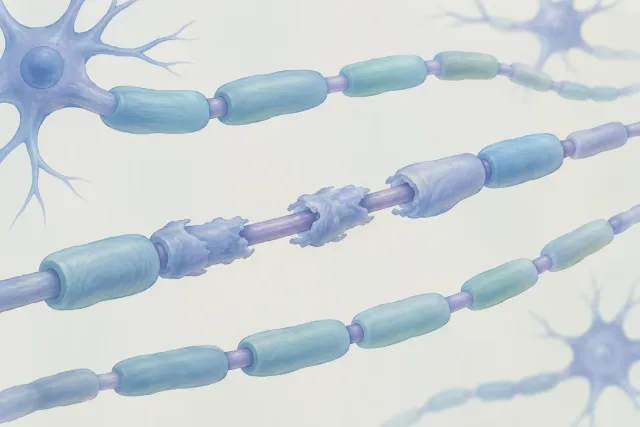
Tolebrutinib did not cut MS relapses more than Aubagio
In two trials of relapsing MS, tolebrutinib did not reduce flare-ups more than Aubagio.
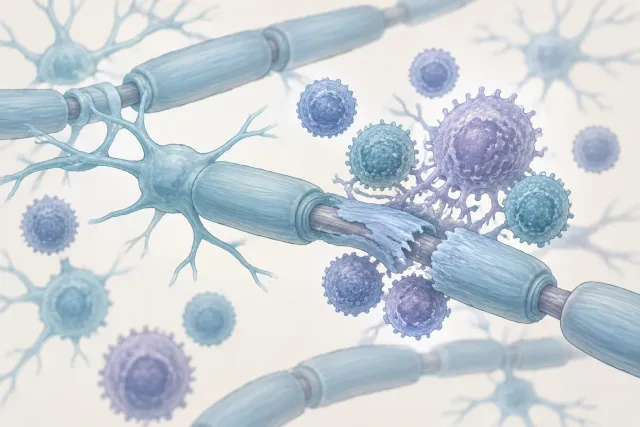
MS and related diseases: Immune drugs show mixed results
Treatments aimed at immune signals showed mixed and sometimes unexpected results in people with MS and related diseases.

Ocrevus cut disability worsening in high-risk relapsing MS
In a high-risk group with relapsing MS, Ocrevus lowered the risk of disability worsening compared with interferon beta.

Less disability worsening on Tysabri in relapsing MS
In people with relapsing MS, Tysabri was linked to less disability worsening than Ocrevus, mainly because worsening without relapses was less common.

MS symptoms before Kesimpta doses did not predict flares
In people taking Kesimpta for MS, symptoms before the next dose were not linked to more flare-ups, new scan activity, or worsening disability.

MS drugs cut relapses but did not change relapse recovery
MS treatments reduced relapses but did not change their severity or recovery time once they occurred.

Stem cell transplants curb disease activity in active MS
Stem cell transplants can provide lasting control of disease activity in selected people with active relapsing MS.

MS stem cell transplants mostly done without admission
A review of one MS stem cell transplant program found most procedures avoided hospital admission, but treatment benefits need independent, controlled research.

When older adults with MS should stop drugs remains unclear
Israeli MS specialists agreed that older adults need treatment decisions based on more than age, but they remained unsure when treatment should stop.

New MS Research Points to Nerve Repair and Better Movement
In mice with an MS-like illness, an experimental compound improved movement and helped repair damaged nerves, but it has not been shown to work in people.

Could Gut Bacteria Help Guide Future MS Treatments?
In mice with an MS-like illness, a plant compound eased symptoms partly by helping a gut bacterium make a substance that calmed harmful immune activity.

Could Red Blood Cells Help Calm MS Immune Attacks?
In a mouse study, red blood cells carrying disease-related pieces helped calm MS-like immune attacks, but this approach is not yet a proven treatment for people with MS.
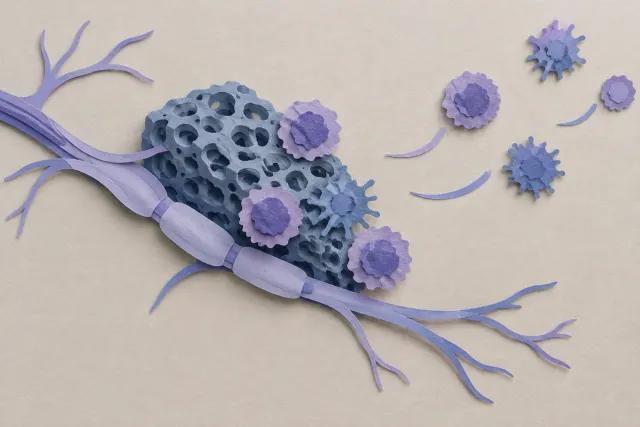
A New Immune Approach May Ease MS-Like Disease in Mice
In mice with advanced MS-like disease, a 3D-printed implant helped calm the immune attack on nerve tissue, but it has not been tested in people.

Starting MS Treatment Early May Help Protect Mobility
In a 10-year study, people who started ocrelizumab earlier were less likely to have lasting disability than those who started it two years later.

A New Clue to MS Inflammation and Future Treatments
Researchers found that a body chemical linked to MS inflammation made disease worse in mice, while blocking its production eased their symptoms.

Review examines how MS flare-ups are spotted and treated
This review describes why MS flare-ups can be hard to recognize and compares the treatments discussed for them.

In MS, Ocrevus reduced inflammatory immune cells
Ocrevus reduced a group of inflammatory immune cells in people with MS, while Tysabri increased those cells in the blood.
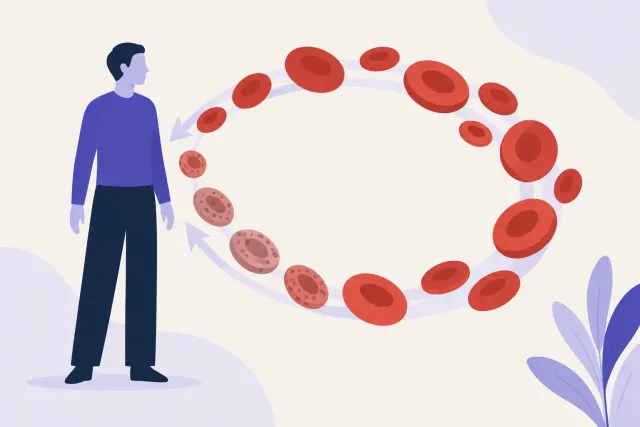
Early MS trial: Modified blood cells were well tolerated
In an early MS trial, people tolerated a treatment made from their own red blood cells, and several health measures stayed stable.

Review finds early immune cell therapy reports in MS
A review describes early use of engineered immune cell therapy in MS and other diseases, but gives no separate results for MS.

Ocrevus: Half of Black and Hispanic adults had no MS activity
After 48 weeks on Ocrevus, about half of Black and Hispanic adults with relapsing MS had no signs of disease activity.

MS drug switches after silent MRI spots: fewer relapses
People with relapsing MS who switched to stronger drugs after silent brain scan spots had fewer later relapses than those who stayed on treatment.

B-cell treatment linked to more gut immune cells in MS
During B-cell treatment, people with MS had more gut-linked immune cells in their blood and spinal fluid.

Propionic acid lowered a blood sign of nerve damage in MS
In adults with stable MS, propionic acid lowered a blood marker linked to nerve damage over 90 days.

Mavenclad caused lasting loss of inflammatory cells in MS
Mavenclad caused a lasting drop in a group of immune cells that showed strong signs of inflammation in people with MS.

Ocrevus and rituximab had similar infection rates in MS
People with MS taking Ocrevus or rituximab had similar infection and relapse rates.

MS: Treatment did not boost protective cells after Lemtrada
A low-dose immune treatment did not increase protective immune cells in people with relapsing MS who had previously received Lemtrada.

Earlier Briumvi use linked to less MS worsening at 5 years
Adults with relapsing MS who started Briumvi earlier had fewer flare-ups and less disability worsening after five years.

Stronger MS drugs did not curb relapse-free worsening
Stronger MS treatments did not reduce worsening that happened without a relapse or new changes on brain scans.

Plasma exchange may improve vision after MS eye attacks
A review found that plasma exchange may help vision recover after sudden eye inflammation, including in people with MS.

In MS, immune cell patterns differed after Mavenclad
After cladribine (Mavenclad), immune cell patterns differed between people whose MS stayed stable and those who had relapses.

Modified immune cells show early signs of benefit for MS
A review found early signs that modified immune cells may help treat MS, but lasting benefits and risks remain unclear.

Virtual rehab may aid movement in MS and other diseases
A review including MS found that virtual reality rehabilitation may improve movement, thinking, and quality of life across several conditions.

Children with MS had fewer relapses on pills or infusions
Children switching from MS shots to pills or infusions had fewer relapses than children switching to different shots.

Targeted MS immune treatments face hurdles in research
This review found that treatments designed to target the immune attack in MS are still being studied and face hurdles.

Interferon beta reduced MS-like disease signs in mice
In mice, interferon beta reduced MS-like disease, while patient cell tests showed how it may affect harmful immune activity.

People with MS on rituximab had more hospital stays
People with MS taking rituximab had more hospital stays and more low levels of infection-fighting proteins than those taking Ocrevus.
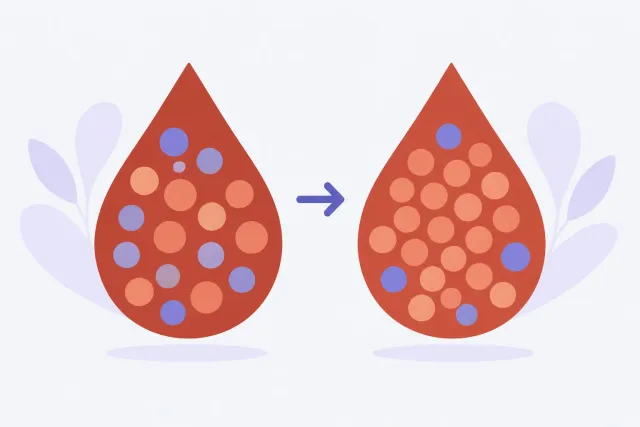
MS treatment changed blood cells linked to inflammation
After treatment that reduces B cells, inflammation-linked blood cells became more common in people with MS.

Stem cell transplants cut MS relapses more than two drugs
In matched groups with relapsing MS, stem cell transplants were linked to fewer relapses and more disability improvement than Mavenclad or Lemtrada.

MS relapses rose with longer Tysabri pregnancy breaks
In women with MS, longer breaks from Tysabri around pregnancy were linked to more relapses.

Trial drug did not improve scores in two MS studies
Elezanumab did not improve the main study score in either trial of people with relapsing or progressive MS.

More Ocrevus doses linked to slower immune cell return in MS
In people with MS taking Ocrevus, more total doses were linked to a slower return of certain immune cells.

MS review describes treatment gains and future goals
This review describes gains in MS treatment and says prevention and repair are becoming more realistic goals.

Stem cell transplant had fewer relapses than MS drugs
People with relapsing MS who had a stem cell transplant had fewer flare-ups than those taking Lemtrada or Ocrevus.

B-cell treatment changed immune cells in people with MS
After B-cell treatment, people with MS showed changes in immune cells in their blood and the fluid around their brain and spine.

High-dose vitamin D cut new lesions after first MS attack
High-dose vitamin D reduced new brain lesions after a first MS-like attack, but it did not clearly reduce relapses.

Stem cell transplant backed after relapsing MS drugs fail
Experts generally support stem cell transplants for aggressive relapsing MS after strong MS drugs have failed.

When to lower or stop MS treatment remains uncertain
A review found that when and how to lower or stop MS treatment remains an open question.

Stopping MS drugs raised brain scan activity in stable MS
People with stable MS who stopped first-line treatment had more new brain scan changes than those who continued.

MS treatment lessons may guide Parkinson drug research
Researchers proposed using lessons from MS treatment development to guide the search for treatments that slow Parkinson disease.

Evobrutinib did not beat Aubagio for MS flare-ups in trials
Evobrutinib did not reduce MS flare-ups more than Aubagio, and serious health problems were more common with evobrutinib.
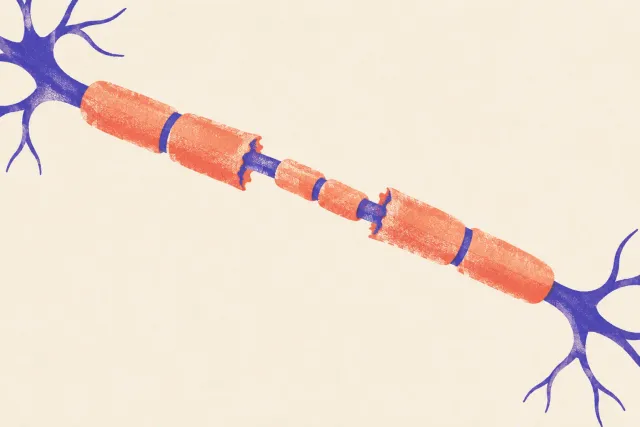
Review: Copaxone may help repair nerve covering in MS
This review reports that Copaxone changes immune activity and may support repair of damaged nerve covering in MS.
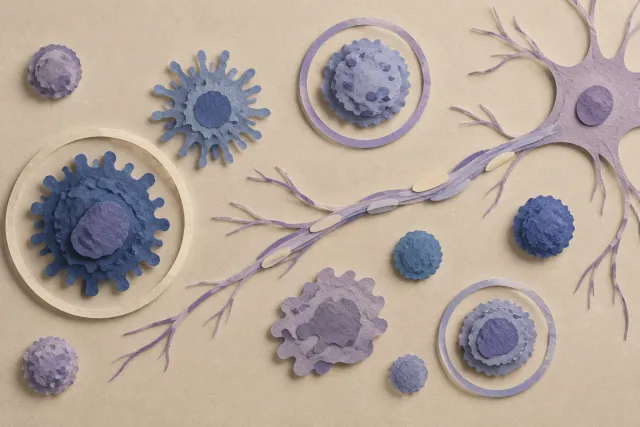
Review examines targeted immune treatments for MS and more
A review found that targeted immune treatments show potential in animal studies and are being tested in clinical trials.

Rituximab cut MS relapses; infections rose after switch
People taking rituximab had fewer MS relapses, but those who switched to it had more serious infections.

Stopping some MS drugs in pregnancy may raise relapse risk
Stopping some MS treatments during pregnancy can raise the risk of relapse and disability.

MS drugs that calm immune cells show early trial benefits
A review found encouraging early trial results for MS drugs that reduce immune cell activity, but their long-term effects remain unknown.

In relapsing MS, Mavenclad users' thinking scores rose
Among people with relapsing MS taking Mavenclad, thinking test scores improved, while a timed walking test took longer.

MS Study Finds Fewer Alzheimer’s Diagnoses With One Drug
In a large study of medical records, older people with MS who had received natalizumab had fewer recorded Alzheimer’s diagnoses, but the study cannot show that the drug prevented Alzheimer’s.

MS Infusion Timing: Why Longer Gaps May Need a Check
In one person with MS, changing natalizumab infusions from every four weeks to every six weeks was followed by low drug levels and antibodies that may make the treatment less effective.

Stem Cell Treatment May Calm MS Brain Inflammation
In 24 people with severe MS, a stem cell transplant was followed by years of lower signs of inflammation and nerve damage.

MS and Pregnancy: What to Know About Pausing Treatment
In this study, MS flare-ups were uncommon during pregnancy and the first year after birth among women who had stopped ocrelizumab or rituximab before pregnancy.

How Brain Support Cells May Affect Inflammation in MS
Brain support cells may help drive inflammation in MS, but treatments aimed at these cells are still being studied.

Positive MOG Test? Why Your MS Diagnosis May Need Review
A positive MOG antibody test does not rule out MS, so people with signs of both conditions may need follow-up to get the right diagnosis and care.

After MS Treatment: How Long Can Disease Stay Quiet?
Many people with relapsing MS stayed stable for years after finishing a two-year course of cladribine, but regular checkups remained important because disease activity returned for some.

A Closer MRI Look May Help Clarify Your MS Diagnosis
A special type of MRI may help doctors tell whether spots in the brain are linked to MS, but the images need careful review.

MS Medicine May Help Protect Blood Vessels in Diabetes
In diabetic mice, a medicine used to treat MS helped blood vessels relax, but the study did not test whether it protects blood vessels in people with MS.

Can Electrical Stimulation Help Repair Nerves in MS?
In six animal studies, electrical stimulation showed signs of helping repair the protective coating around nerves, but researchers do not yet know whether it helps people with MS.

New MS Diagnosis Rules May Help Spot Early Disease Signs
The 2024 MS diagnosis rules identified some people who did not meet the older rules but already had blood and brain scan signs of MS-like damage.

MS Treatment May Slow Disability Across Diverse Groups
In these MS trials, ocrelizumab was linked to less disability worsening across the groups studied, though the result was less certain for Black participants because that group was small.

Could Blocking an Immune Signal Help Control MS Activity?
Blocking a message that helps switch on immune cells may be a promising way to treat MS, but more research is needed to show how well it works.

MS Rehab: Ways to Manage Symptoms and Stay Active Longer
Starting MS rehabilitation early and tailoring it to your daily challenges may help you stay active and manage symptoms alongside your medical treatment.

Could an MS Walking Drug Help Vision After Eye Attacks?
In a study of a condition different from MS, people who added fampridine to treatment for a severe eye attack had better vision recovery than those who did not.

MS Care Lessons: Treating More Than Today's Symptoms
This review uses MS care as an example of why treatment should aim to prevent lasting harm, not only ease symptoms today.

Could Calming an Immune Alarm Lead to Better MS Care?
A research review suggests that calming an overactive immune alarm called AIM2 might someday help treat MS, but no benefit for patients has been proven.
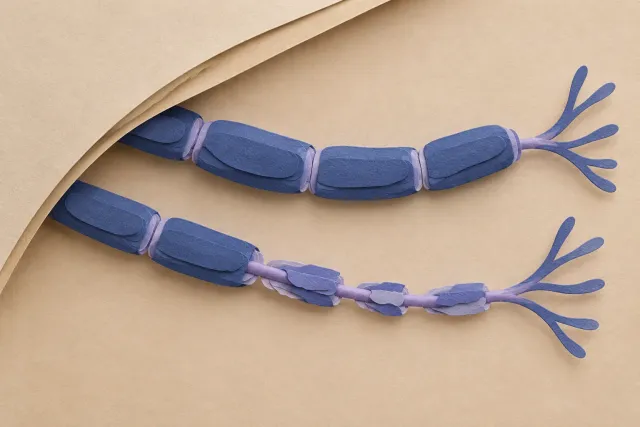
Early Treatment May Better Protect Nerve Coverings in MS
In mice with an MS-like illness, starting an experimental treatment early protected nerve coverings and reduced symptoms more than starting it later.

Could Aging Brain Cells Shape Future MS Treatments?
A review suggests that worn-out cells may play a role in MS, but researchers do not yet know whether targeting them can help patients.

MS Treatment: What Predicts Fewer Relapses Over Time?
In a Danish study, people with relapsing MS had fewer attacks during the first three years of cladribine treatment, but later disease activity was hard to predict.

MS Treatment: What Brain and Spine Scans Can Reveal
In a survey of French MS specialists, certain brain and spine scan findings strongly influenced whether they recommended starting a powerful MS treatment right away.

Endometriosis and MS: What the Link Means for You Today
A review found that endometriosis and MS occur together more often than expected, but it does not show that either condition causes the other.
MS Blood Tests May Flag When Treatment Stops Working
If certain immune cells do not rise in a routine blood test after starting natalizumab, it may be a sign that the MS treatment needs a closer check.

Could an Extra Treatment Help Keep MS Quiet After Transplant?
Researchers suggest that adding a drug after a stem cell transplant might help keep MS from returning, but this idea has not yet been proven.

Can Exercise Help Make Walking Less Tiring With MS?
Regular exercise helped many people use less energy when walking, but there is too little research to know how much it helps people with MS.

How Cell Studies Could Improve Future MS Treatment Choices
Studying immune cells one at a time may help researchers understand MS and improve future treatment choices, but the findings are not ready to guide care yet.

A Closer Look at MS Scans May Show Early Treatment Changes
A detailed type of MS scan detected changes in brain tissue about three months after treatment began, but it is not yet clear whether those changes mean patients will feel or function better.

Weight Loss Drugs and MS: What Patients Should Know
A review says some people with MS may use certain weight loss and diabetes medicines for other health conditions, but it is not clear whether these medicines help MS itself.

Can Stem Cell Transplants Fade Lingering MS Brain Spots?
In a small study, some long-lasting MS brain spots faded after a stem cell transplant, but researchers do not yet know whether this improves symptoms.

MS Treatment Choices: Why Age and New Tests Matter
MS care is becoming more personal, with newer tests and a person’s age helping guide when to start, change, or stop treatment.

Remotely guided muscle training eased urine leaks in MS
Remotely guided exercises for muscles supporting the bladder reduced urine leaks and bladder overactivity in people with MS.

MS treatment in Poland started sooner, reached more people
In Poland, more people with MS received treatment, started it sooner, and received stronger drugs more often.

Check out the MS Buddy app
It’s free, with no ads. Built by people living with MS.


More on MS Buddy
 MS clinical trialsTrials recruiting now, by state, phase or treatment.
 Browse MS centers by stateThe full directory, with a page for each state and city.
 MS terms explainedThe words you hear at appointments, in plain language.
 Questions for your doctorMore than 200, grouped by what is going on with you.