MS Progression — MS Research News (page 2)
Studies on how MS changes over time, including progression that happens without relapses (often called PIRA), the move from relapsing to secondary progressive MS, and what predicts faster or slower disability. Also covers the biology behind smoldering inflammation and what might slow it.
- 127 studies
- From PubMed
- Plain language
MS Progression studies

Can MRI Scans Help Tell a True MS Relapse From a Flare?
In two MS treatment trials, counting only relapses with new changes on an MRI scan made the difference between the medicines look much larger, but symptoms still matter even when a scan shows no new change.

MS Study Finds Fewer Alzheimer’s Diagnoses With One Drug
In a large study of medical records, older people with MS who had received natalizumab had fewer recorded Alzheimer’s diagnoses, but the study cannot show that the drug prevented Alzheimer’s.

MS and Pregnancy: What to Know About Pausing Treatment
In this study, MS flare-ups were uncommon during pregnancy and the first year after birth among women who had stopped ocrelizumab or rituximab before pregnancy.

New Brain Scans May Reveal Hidden Inflammation in MS
A review of 49 studies found that a special brain scan can detect signs of inflammation in MS, but differences in how scans are done limit its use in routine care.

Stem Cell Treatment May Calm MS Brain Inflammation
In 24 people with severe MS, a stem cell transplant was followed by years of lower signs of inflammation and nerve damage.

Could a Blood Test Help Track MS Symptoms and Changes?
Certain chemicals in the blood were linked to how MS affects daily abilities, but a blood test based on them is not ready for use in care.

After MS Treatment: How Long Can Disease Stay Quiet?
Many people with relapsing MS stayed stable for years after finishing a two-year course of cladribine, but regular checkups remained important because disease activity returned for some.

Can Electrical Stimulation Help Repair Nerves in MS?
In six animal studies, electrical stimulation showed signs of helping repair the protective coating around nerves, but researchers do not yet know whether it helps people with MS.

MS Treatment May Slow Disability Across Diverse Groups
In these MS trials, ocrelizumab was linked to less disability worsening across the groups studied, though the result was less certain for Black participants because that group was small.

Could Calming an Immune Alarm Lead to Better MS Care?
A research review suggests that calming an overactive immune alarm called AIM2 might someday help treat MS, but no benefit for patients has been proven.

Early Treatment May Better Protect Nerve Coverings in MS
In mice with an MS-like illness, starting an experimental treatment early protected nerve coverings and reduced symptoms more than starting it later.

Could Aging Brain Cells Shape Future MS Treatments?
A review suggests that worn-out cells may play a role in MS, but researchers do not yet know whether targeting them can help patients.

MS Treatment: What Predicts Fewer Relapses Over Time?
In a Danish study, people with relapsing MS had fewer attacks during the first three years of cladribine treatment, but later disease activity was hard to predict.

MS and Diabetes: Why Blood Sugar Checks May Matter
In a large English study, people with MS developed diabetes more often than people without MS, and those who developed diabetes had more hospital stays and a higher risk of death.

MS and Thinking Changes: Why Regular Checkups Matter
In people with MS, greater physical disability often goes along with more trouble thinking, so regular care should check both.

MS in Nordic Countries: What Rising Numbers Mean for You
MS is becoming more common in Nordic countries, making long-term care planning increasingly important for patients and caregivers.

What Blood Fats May Reveal About Severe Progressive MS
In a small study of people with progressive MS, differences in blood fats and signs of ongoing inflammation were linked to greater disability, but the study did not show that either one causes disability.

MS Studies May Miss People Whose Symptoms Get Worse
A 10-year MS study suggests that when people with worsening symptoms leave a study, its results may make MS progression look less common than it really is.

A Closer Look at MS Scans May Show Early Treatment Changes
A detailed type of MS scan detected changes in brain tissue about three months after treatment began, but it is not yet clear whether those changes mean patients will feel or function better.
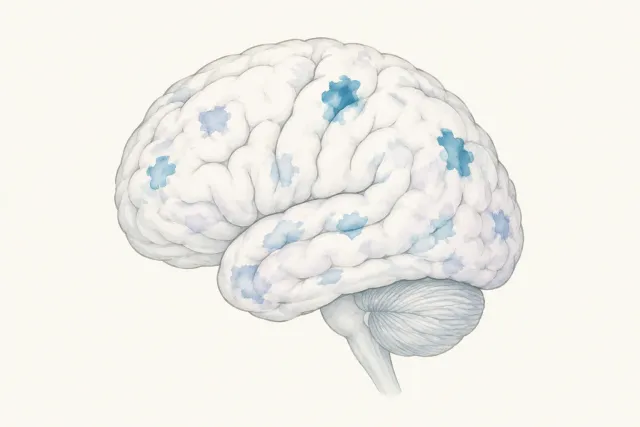
Can Stem Cell Transplants Fade Lingering MS Brain Spots?
In a small study, some long-lasting MS brain spots faded after a stem cell transplant, but researchers do not yet know whether this improves symptoms.

MS Treatment Choices: What Matters for Slow Worsening
In this study, four common MS treatments showed no clear difference in the risk of disability getting worse without an attack.

MS Treatment Choices: Why Age and New Tests Matter
MS care is becoming more personal, with newer tests and a person’s age helping guide when to start, change, or stop treatment.
Brain lesions linked to worsening weakness in MS cases
Rare brain lesions were linked to steadily worsening weakness in people with MS or related conditions.

Narrower eye blood vessels linked to more MS disability
In people with MS, narrower blood vessels in the eye were linked to greater disability.

Age estimate from nerve protein ran older in people with MS
An age estimate based on a nerve protein was more often older than actual age in people with MS than in people without MS.

MS family history did not predict worse long-term outcomes
Having a family member with MS was not linked to worse long-term outcomes after MS began.

Slower vision test linked to brain scan changes in MS
In people with MS, slower responses on a vision test were linked to less brain tissue and more damage on brain scans.

Check out the MS Buddy app
It’s free, with no ads. Built by people living with MS.


More on MS Buddy
 MS clinical trialsTrials recruiting now, by state, phase or treatment.
 Browse MS centers by stateThe full directory, with a page for each state and city.
 MS terms explainedThe words you hear at appointments, in plain language.
 Questions for your doctorMore than 200, grouped by what is going on with you.