MS Research News (page 2)
New MS studies, summarized simply by AI. Not medical advice, and not reviewed by a clinician — just a plain-language look at what’s being published.
- 535 studies
- From PubMed
- Plain language
The latest studies

In MS-like mice, an experimental drug eased paralysis
An experimental drug reversed paralysis and vision loss in mice with an MS-like disease.

Brain scans found MS groups with different disability
Brain scans identified four MS groups that differed in disability and in how soon people worsened without a relapse.

In mice, immune treatment eased progressive MS-like disease
In mice with progressive MS-like disease, blocking an immune signal reduced disease signs, while removing B cells did not.

Blocking protein buildup restored myelin in MS-like mice
Blocking a protein buildup restored myelin repair and improved recovery in mice with an MS-like disease.

Review examines how MS flare-ups are spotted and treated
This review describes why MS flare-ups can be hard to recognize and compares the treatments discussed for them.

In MS, Ocrevus reduced inflammatory immune cells
Ocrevus reduced a group of inflammatory immune cells in people with MS, while Tysabri increased those cells in the blood.

Early MS trial: Modified blood cells were well tolerated
In an early MS trial, people tolerated a treatment made from their own red blood cells, and several health measures stayed stable.

MS risk variant limited vitamin D's effect in immune cells
A gene variant linked to MS kept vitamin D from helping certain immune cells switch to a state that calms inflammation.
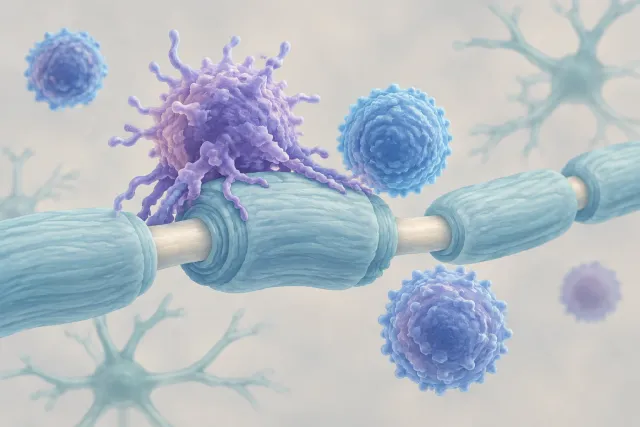
In mice, blocking immune cell death eased MS-like disease
In mice with an MS-like disease, blocking a type of immune cell death helped transferred immune cells survive and reduced disease harm.

Review finds gaps in brain fat mapping for MS research
A review found that studies can map fats in human brain tissue, but a complete map is still missing.

Heat linked to more emergency and urgent MS visits
In Chicago, extreme heat was linked to more emergency and urgent care visits with an MS diagnosis.

New MS diagnosis rules may raise misdiagnosis risks
A review of the 2024 MS diagnosis rules warns that uneven access to tests and expertise may raise the risk of misdiagnosis.

Antibody test flagged an MS look-alike in four people
An antibody test identified four people with an MS look-alike condition among 297 people screened.
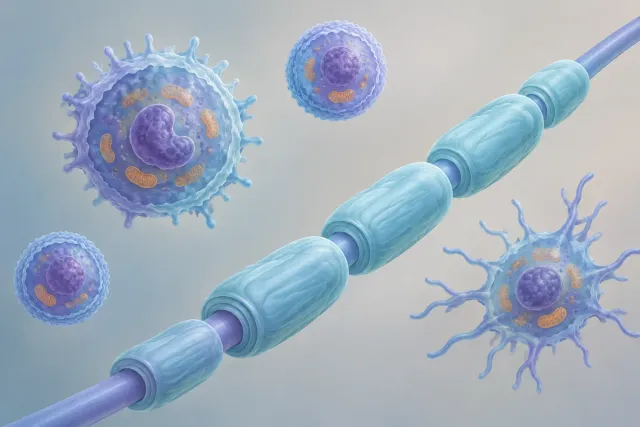
Review links immune cells' energy use to MS inflammation
A review links changes in how immune cells use energy to inflammation in MS and other autoimmune diseases.

Epstein-Barr signs came before nerve injury signs in MS
People who later developed MS showed stronger responses to Epstein-Barr virus years before blood signs of nerve injury appeared.
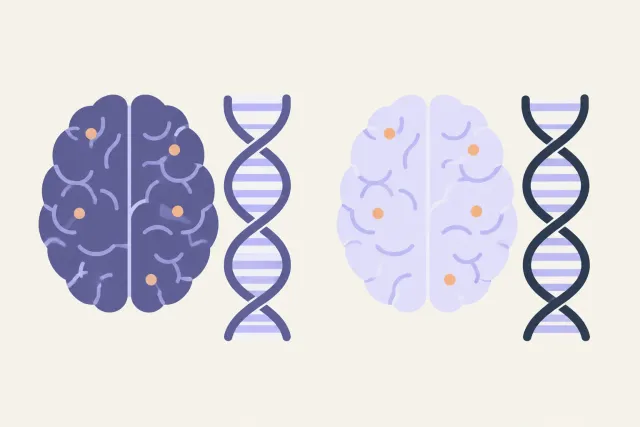
MS severity differed by genes, not just brain lesions
In donated MS brains, genetic groups differed in disease severity, but the group with worse outcomes did not have more active brain lesions.

Review examines immune proteins in MS and other diseases
A review found evidence that immune proteins may contribute to nerve damage in MS and other conditions, but treatments targeting them remain unproven.

Review finds early immune cell therapy reports in MS
A review describes early use of engineered immune cell therapy in MS and other diseases, but gives no separate results for MS.

MS: Timed treatment restored mouse myelin cell activity
In mice, a timed treatment restored the activity of myelin-making cells after damage, while cells from people with MS showed related changes.

Blocking an immune pathway eased MS-like disease in mice
Blocking a source of inflammation eased an MS-like disease in mice, but the treatment was not tested in people.

Blood marker may flag MS worsening without relapses
A blood marker was linked to a higher risk of MS worsening without a relapse.

Emergency MS diagnosis linked to worse outcomes in England
People diagnosed with MS during or soon after emergency hospital care had worse outcomes than those diagnosed outside emergency care.

Ocrevus: Half of Black and Hispanic adults had no MS activity
After 48 weeks on Ocrevus, about half of Black and Hispanic adults with relapsing MS had no signs of disease activity.

MS drug switches after silent MRI spots: fewer relapses
People with relapsing MS who switched to stronger drugs after silent brain scan spots had fewer later relapses than those who stayed on treatment.

B-cell treatment linked to more gut immune cells in MS
During B-cell treatment, people with MS had more gut-linked immune cells in their blood and spinal fluid.

People with MS had stronger responses to Epstein-Barr virus
People with untreated MS had stronger immune responses to the Epstein-Barr virus than people without MS.
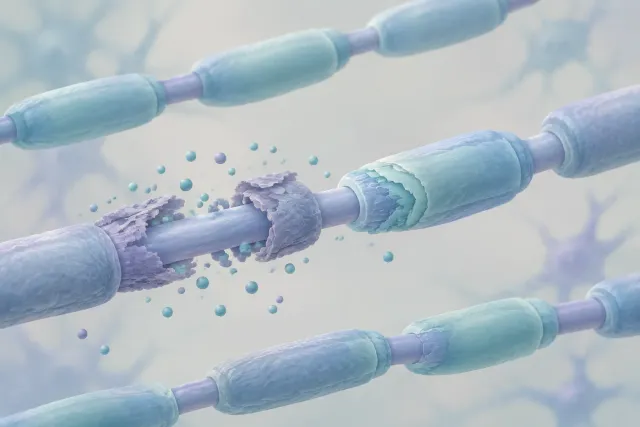
In mice, tiny particles helped repair MS-like nerve damage
In mice with MS-like nerve damage, a treatment using tiny particles helped repair nerve coverings.

Gut bacteria reduced MS-like inflammation in mice
Giving mice a gut bacterium reduced inflammation and the severity of their MS-like disease.

In mice, two immune drugs reduced MS-like symptoms
In mice with an MS-like disease, blocking an immune cell target reduced symptoms, and adding a second drug reduced them further.

In mice, a lab treatment reversed MS-like leg paralysis
An experimental treatment reversed hind leg paralysis in mice with an MS-like disease.

New lab method spots myelin changes in donated MS brains
A new lab method found changes in the nerve covering of donated MS brain tissue compared with tissue from people without MS.
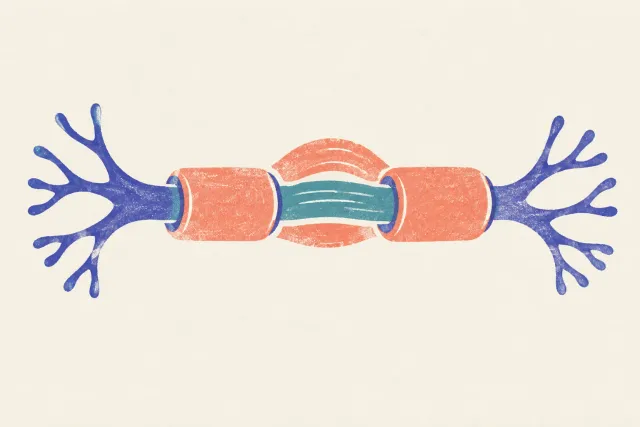
In mice, an experimental vaccine eased MS-like disease
An experimental vaccine reduced disease severity in mice with an MS-like disease.

Self-run tests detected MS worsening without relapses
Patient reports and self-run tests identified MS worsening without reported relapses, though they only partly agreed with a doctor's disability rating.

Propionic acid lowered a blood sign of nerve damage in MS
In adults with stable MS, propionic acid lowered a blood marker linked to nerve damage over 90 days.

Blood immune cells predicted worse MS after a first attack
At a first MS-like attack, higher levels of certain blood immune cells predicted a more severe MS course two years later.
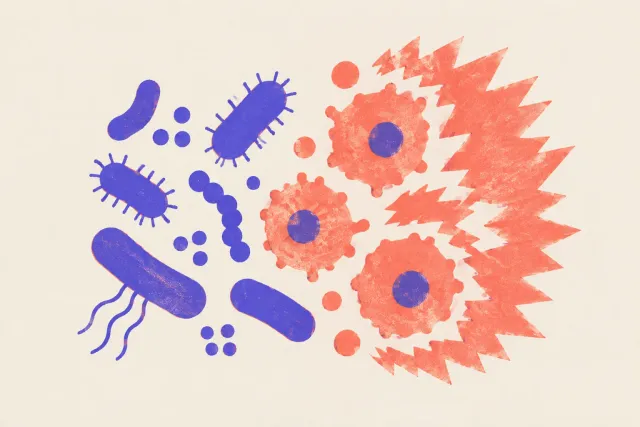
Gut bacteria reduced MS-like disease severity in mice
Mice with certain gut bacteria had milder MS-like disease and more immune cells that calm inflammation.
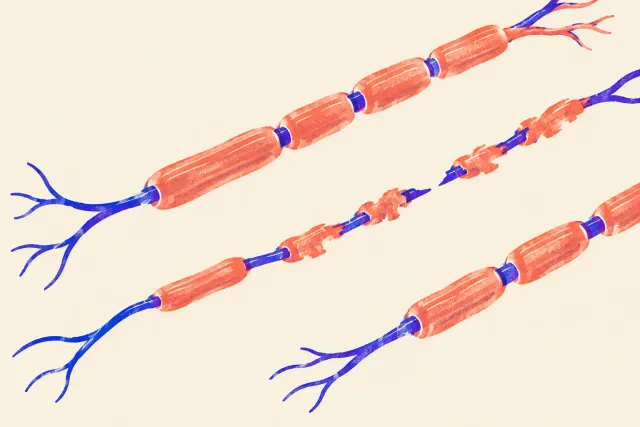
Donated MS brains link tissue damage to disease severity
In donated MS brains, patterns of inflammation and nerve covering repair were linked to genetic differences and disease severity.

Review examines immune cell webs in MS and brain disease
This review examines how webs released by immune cells may contribute to MS and other brain disorders.

In mice, a particle treatment eased MS-like disease
In mice with an MS-like disease, particles attached to immune cells helped the animals recover and reduced inflammation in the brain and spinal cord.

Review links a common virus to MS risk, not treatment
A review found strong evidence linking Epstein-Barr virus (a common virus) to MS risk, but virus-focused treatments remain under investigation.
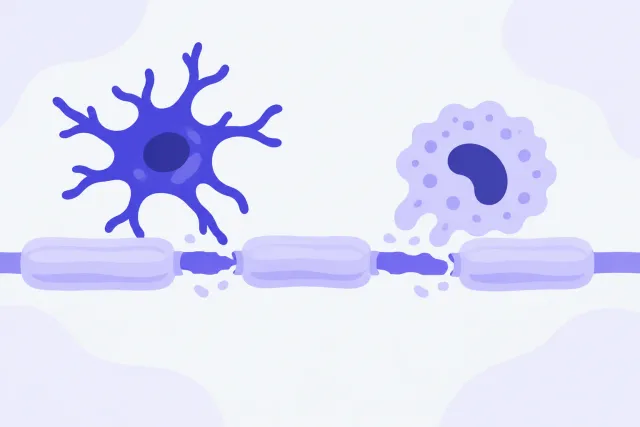
MS-related myelin damage: two immune cell states in mice
In mice, brain immune cells took two different states linked to damage to the covering around nerves.

High-fat, low-carb diet eased mouse nerve injury in MS study
In mice, a ketogenic diet (a high-fat, low-carb diet) eased nerve injury after researchers disrupted how myelin-making cells get energy.

Mavenclad caused lasting loss of inflammatory cells in MS
Mavenclad caused a lasting drop in a group of immune cells that showed strong signs of inflammation in people with MS.

Virus antibodies tracked MS flare-ups and brain lesions
In people with relapsing-onset MS, certain antibodies against the Epstein-Barr virus were linked to flare-ups or active brain lesions.

Ocrevus and rituximab had similar infection rates in MS
People with MS taking Ocrevus or rituximab had similar infection and relapse rates.

After heart surgery, fewer people with MS went home
After heart or major blood vessel surgery, people with MS were less likely to go straight home than people without MS.

New tool predicts MS worsening after a first attack
A new tool predicted which people were more likely to have another attack or worsening disability after a first MS-like attack.
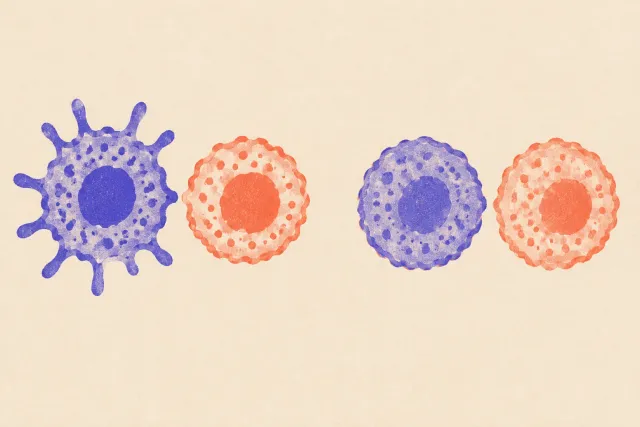
Immune cells from people with MS showed distinct changes
Immune cells from people with MS showed changes that were clearer before the cells were stimulated in a lab.

In mice, blocking myelin upkeep caused damage seen in MS
Removing a protein from myelin-making cells in adult mice caused myelin damage and an increase in immune cells in the brain.

Blood proteins may signal MS years before diagnosis
Some blood proteins were linked to MS risk before diagnosis, but the study did not establish a test for predicting MS.

MS review proposes broader ways to predict disability
A research group proposed a broader way to predict how MS may change over time, but it has not been tested as a single tool.

Review calls for clearer studies of MS and other illnesses
This review says clearer rules for choosing participants could make studies of MS and other chronic illnesses more reliable.
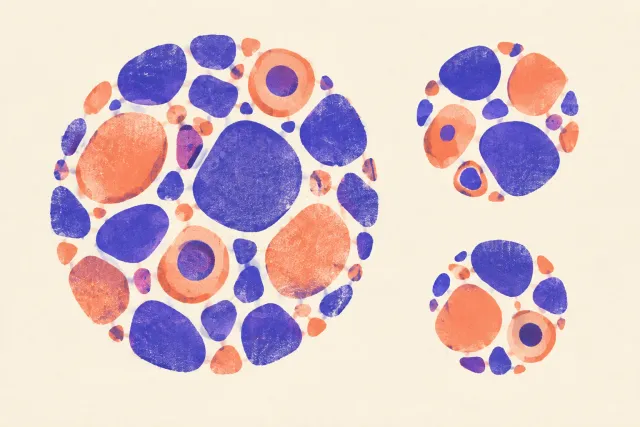
Mouse models miss some cell changes seen in MS brains
Two mouse models showed some cell changes seen in MS, but neither captured the full range of changes in human MS data.
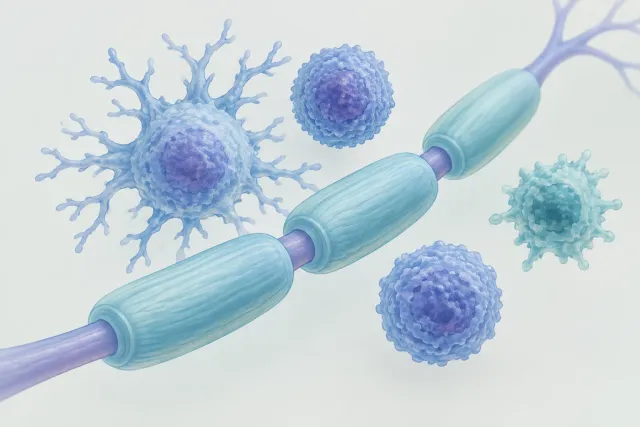
MS: Treatment did not boost protective cells after Lemtrada
A low-dose immune treatment did not increase protective immune cells in people with relapsing MS who had previously received Lemtrada.

In mice, loss of an immune signal worsened MS-like disease
In mice with an MS-like disease, losing an immune signal reduced myelin debris cleanup and worsened nerve damage.

New brain scan analysis improved MS classification
Using more measures from brain scans improved MS classification in a study of 1,189 people.

In mice, abatacept pairing eased an MS-like disease
In mice, abatacept paired with an immune signal eased an MS-like disease and increased immune cells that help keep the immune system in check.

Spinal fluid revealed MS-related clues missed in blood
Studying spinal fluid revealed links to MS that blood analysis missed.

Review explores how low oxygen may drive MS worsening
A review suggests that low oxygen in body tissue may help keep slow-burning inflammation going as MS worsens.
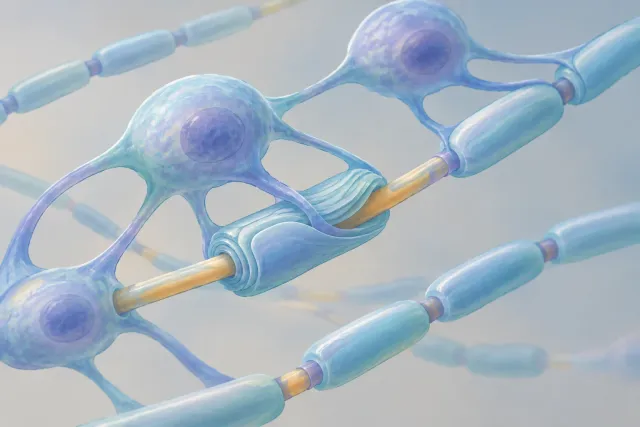
New MRI method tracks myelin-making cells in MS research
A new MRI method detected cells making new myelin, the protective covering around nerves, during a repair process studied in MS research.

Eye scans found more retinal spots in people with MS
People with relapsing or progressive MS had more bright spots on eye scans, and those spots were linked to brain scan findings.
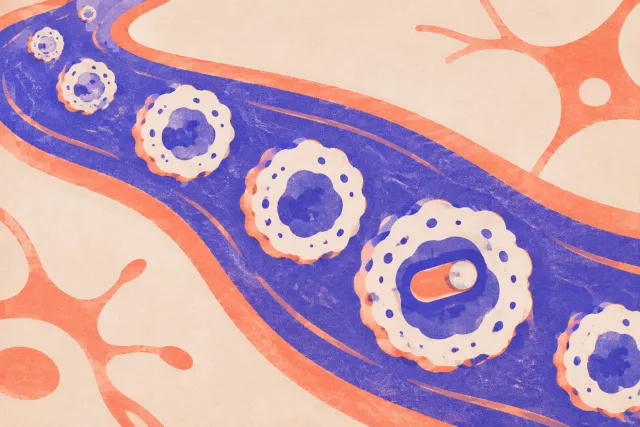
In mice, an immune switch helped MS-like disease develop
In mice, an immune switch in circulating cells helped an MS-like disease develop.

New gene tool flags a change linked to MS risk in data
A new computer tool flagged a gene change linked to MS risk that may alter how much protein the body makes.
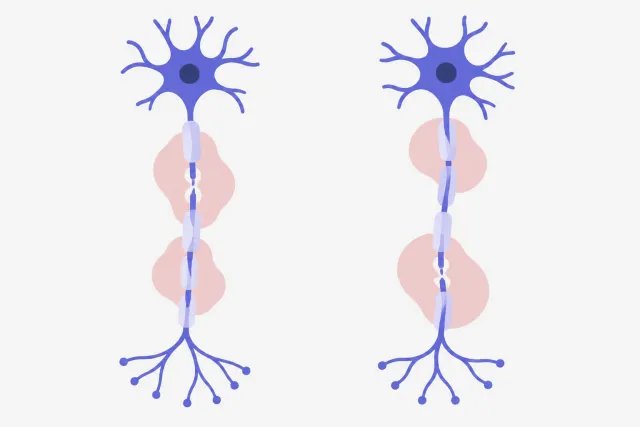
Progressive MS and a virus-linked disease share damage
This review found shared patterns of inflammation and nerve damage in progressive MS and a virus-linked spinal cord disease.

New lab method maps cholesterol changes in MS brain tissue
A new lab method mapped cholesterol changes near MS lesions in human brain tissue.

MS risk: Gene and environment interactions remain unclear
Genetic and environmental factors are linked to MS risk, but researchers have found little clear evidence that they interact.

In mice, two drugs proposed for MS damaged myelin
Two drugs tested together damaged myelin in mice and disrupted cells that make myelin in a lab dish.
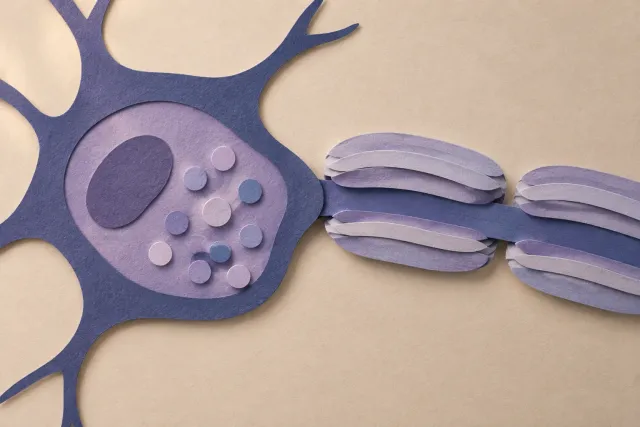
Mayzent limited a stress sign in mice with MS-like damage
In mice, Mayzent reduced the loss of a protein in stressed cells that make myelin.

In mice, ganciclovir helped repair MS-like myelin damage
In mice, removing a signal from myelin-making cells sped repair of damaged nerve covering, and ganciclovir also helped that covering regrow.
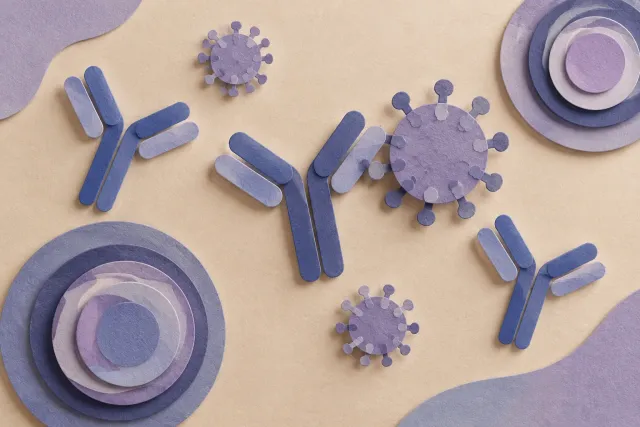
Review links virus-related antibodies to higher MS risk
A review found that certain antibodies linked to the Epstein-Barr virus were tied to a higher chance of developing MS.

In mice, removing an enzyme worsened MS-like disease
In mice, removing an enzyme from certain immune cells worsened an MS-like disease.

New test tracks myelin repair in mice with MS-like damage
A new lab method tracked where mice made fats used in myelin repair after damage to the nerve covering.

Scans found signs of nerve connection loss in MS and mice
Brain scans found signs of fewer connections between nerve cells in people with MS and in mice with an MS-like disease.

Skull scan signal was higher in secondary progressive MS
A skull scan signal was higher in secondary progressive MS and was linked to greater disability.
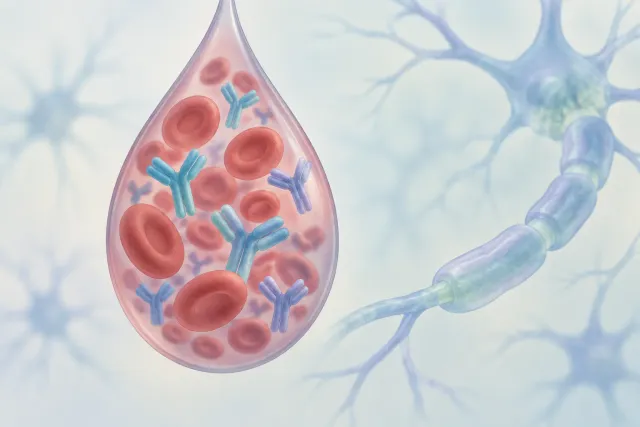
Blood test may help tell MS from look-alike diseases
Repeated blood tests found high levels of certain virus antibodies much more often in people with MS than in people with two look-alike conditions.

Proposed MS care model combines home and clinic visits
The authors propose an MS care model that combines remote tracking with clinic visits, but they did not test it.

In mice, removing a protein cut MS-like optic nerve damage
In mice with an MS-like disease, removing a cell protein reduced damage to the optic nerve and loss of nerve cells in the eye.

In monkeys, clemastine repaired MS-like optic nerve damage
Clemastine helped repair damaged nerve covering in monkeys whose optic nerves did not heal on their own.

Tysabri worsened an MS look-alike condition in mice
Natalizumab (Tysabri) eased an MS-like disease in mice but worsened a condition often mistaken for MS.

Earlier Briumvi use linked to less MS worsening at 5 years
Adults with relapsing MS who started Briumvi earlier had fewer flare-ups and less disability worsening after five years.

Diabetes drugs linked to lower MS risk in past studies
Past studies linked long-term use of certain diabetes drugs to lower MS rates, but the review does not show that these drugs prevent MS.

Stronger MS drugs did not curb relapse-free worsening
Stronger MS treatments did not reduce worsening that happened without a relapse or new changes on brain scans.
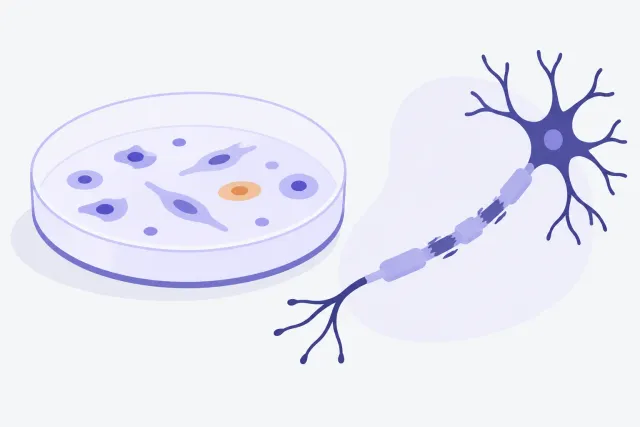
Lab-grown immune cells may help study worsening in MS
This review says lab-grown human brain immune cells may help researchers study why MS gets worse over time.

Plasma exchange may improve vision after MS eye attacks
A review found that plasma exchange may help vision recover after sudden eye inflammation, including in people with MS.

New brain scan tool mapped brainstem changes in MS
A new brain scan tool detected changes in brainstem nerve pathways in people with MS.
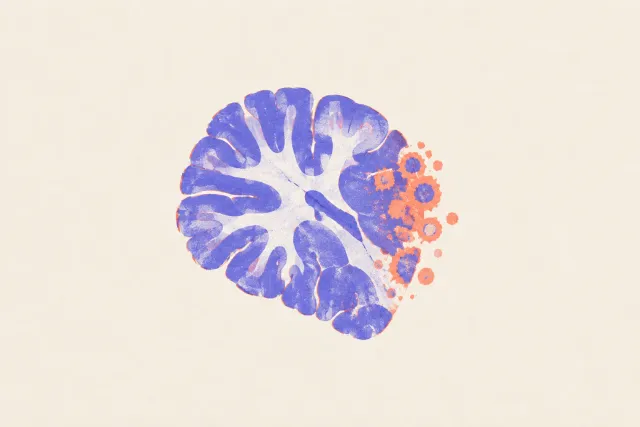
MS brain tissue showed distinct immune deposits near lesions
MS brain tissue showed a pattern of immune deposits that differed from patterns in two conditions often mistaken for MS.

MS drug Tecfidera slowed immune cells in lab tests
In lab tests, Tecfidera slowed immune cells from people with a virus-linked spinal cord disease, not MS.

Inherited gene change linked to less MS disability over time
People with an inherited gene change had less disability after more than 20 years with MS and fewer signs of ongoing nerve damage.

New scan tracks immune activity in mice with MS-like disease
A new scan tracked immune cell activity in mice with an MS-like disease, even before symptoms appeared.
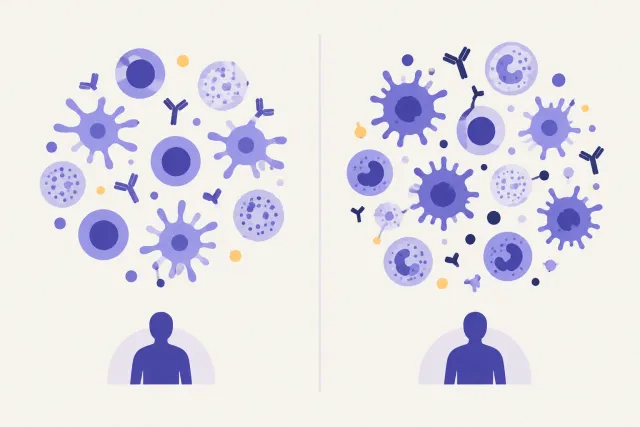
In MS, immune cell patterns differed after Mavenclad
After cladribine (Mavenclad), immune cell patterns differed between people whose MS stayed stable and those who had relapses.
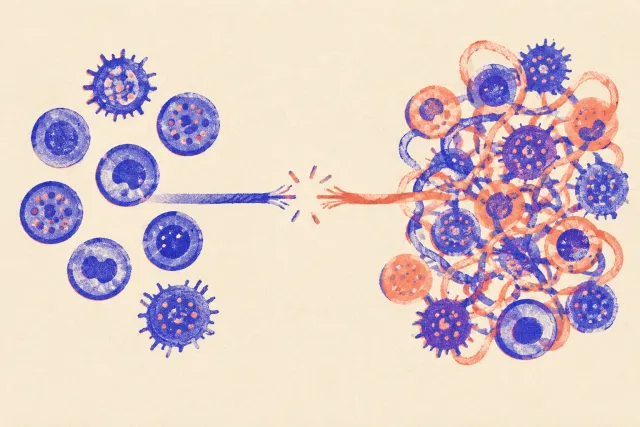
In mice, removing an immune signal worsened MS-like disease
In mice, removing an immune signal worsened an MS-like disease by changing how immune cells behaved.

Restless legs affect many people with MS, review finds
A review found that restless legs syndrome is common in people with MS and can disrupt sleep.

In mice with MS-like damage, bavisant helped myelin heal
In mice with MS-like damage, bavisant helped repair nerve coverings and protect nerve cells.
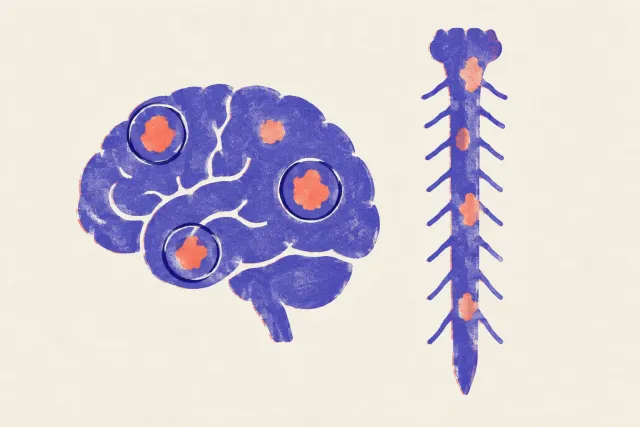
Iron rings marked MS brain damage, not spinal damage
Iron rings appeared around some damaged areas in donated MS brains, but not around damaged areas in the spinal cords.

In mice, gut bacteria helped start MS-like inflammation
In mice, gut bacteria activated immune cells that helped start MS-like inflammation in the brain and spinal cord.

Maternal diabetes linked to MS risk in adult children
Maternal diabetes and larger birth size were linked to higher adult MS risk, while smaller birth size was linked to lower risk.

Spinal cord shrinkage helped predict MS worsening
Spinal cord shrinkage was the strongest predictor of disability and helped predict MS worsening without a relapse.
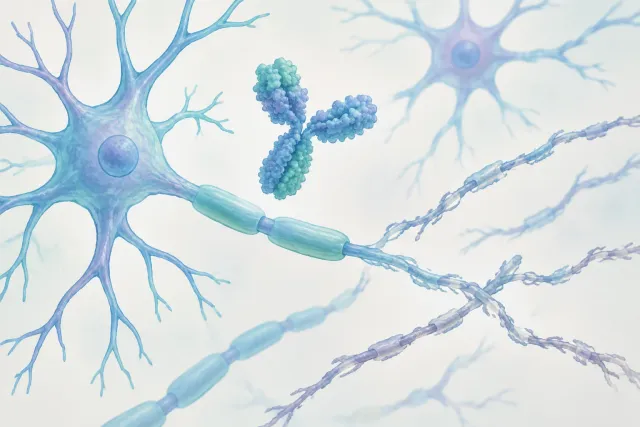
A treatment from a person with MS eased disease in mice
A treatment based on an immune protein from a person with MS eased MS-like disease and reduced nerve cell loss in mice.
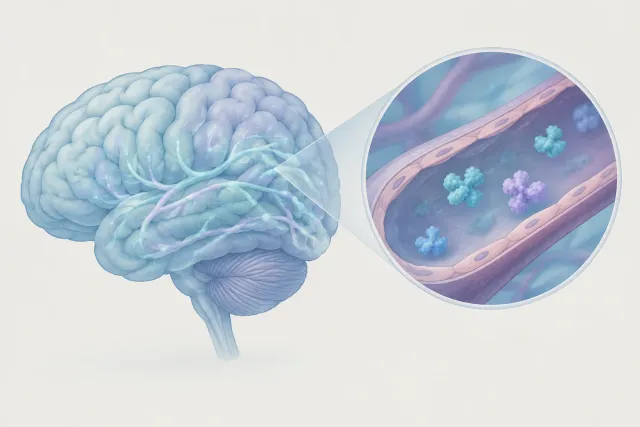
Blood protein tied to MS and dementia in older adults
A brain-related protein was lower in the blood of people with MS and people with dementia.
MS-linked genetic change tied to smaller brains under 55
A genetic change linked to MS was tied to smaller brain volume in middle-aged people without MS, but not in older people.

Check out the MS Buddy app
It’s free, with no ads. Built by people living with MS.


More on MS Buddy
 MS clinical trialsTrials recruiting now, by state, phase or treatment.
 Browse MS centers by stateThe full directory, with a page for each state and city.
 MS terms explainedThe words you hear at appointments, in plain language.
 Questions for your doctorMore than 200, grouped by what is going on with you.