MS Research News (page 3)
New MS studies, summarized simply by AI. Not medical advice, and not reviewed by a clinician — just a plain-language look at what’s being published.
- 535 studies
- From PubMed
- Plain language
The latest studies

In mice, an MS-linked virus vaccine showed a response
In mice, an experimental vaccine protein for a virus linked to MS showed a possible improvement in immune response.

Lower brain activity in one area linked to MS risk
Lower activity in one brain area was linked to a higher risk of MS.

In mice, an antibody reduced MS-like disease severity
In mice with an MS-like disease, a modified antibody reduced disease severity and helped them recover function.

In an MS-related experiment, oxygen cut lasting damage
In an experimental nervous system injury, nimodipine and extra oxygen reduced lasting tissue loss and disability.

In mice, clobetasol repaired MS-like damage from chemo
In mice, clobetasol helped repair MS-like nerve damage caused by a cancer drug.
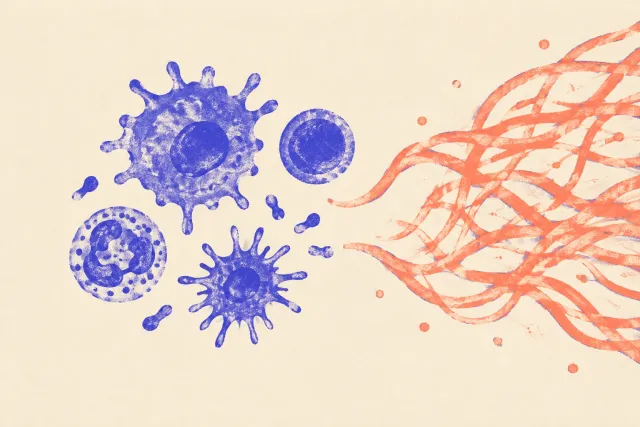
Modified immune cells show early signs of benefit for MS
A review found early signs that modified immune cells may help treat MS, but lasting benefits and risks remain unclear.

Virtual rehab may aid movement in MS and other diseases
A review including MS found that virtual reality rehabilitation may improve movement, thinking, and quality of life across several conditions.

MS and other conditions: Insurance rules linked to delays
A review of insurance drug approval rules across MS and other brain conditions found that delays in care were commonly reported.

New MS cases stayed steady as infections fell in Japan
In Japan, new MS cases stayed steady after pandemic measures sharply reduced infections.

Spinal fluid study maps changes linked to MS disability
In people with MS, changes in spinal fluid were linked to disability and brain scan findings.

Blood Test Plus MRI May Better Predict New MS Lesions
A blood test combined with MRI scans identified two MS patterns, one linked to a higher chance of new lesions.

In mice, brain immune cells differed as MS worsened with age
In mice with an MS-like disease, different patterns of immune cells in the brain were linked to how severe the disease became with age.

Preventing MS before nerve damage still lacks proof
No approach to prevent MS before nerve damage has enough evidence to show it works.

Comparing eye scans better detects past MS nerve damage
Comparing two measurements from each eye helped identify past optic nerve inflammation in people with MS.

Memory, not thinking speed, lagged in early relapsing MS
People with early relapsing MS had more trouble with memory, but not thinking speed, than people without MS.
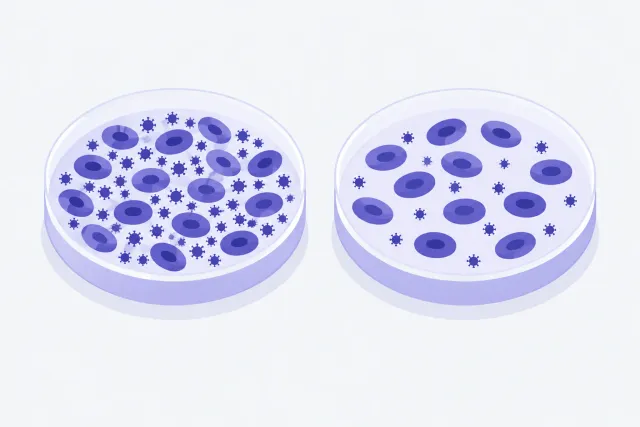
Brincidofovir reduced virus activity in MS blood cells
Brincidofovir reduced virus activity in blood cells studied in a lab, including cells from people with MS.

MS spinal fluid slowed fluid-moving hairs in lab cells
MS spinal fluid slowed tiny fluid-moving hairs on rodent cells grown in a lab.
Review: Sex and gender may shape frailty in MS care
A review found that sex and gender may shape frailty in MS and other neurological conditions.
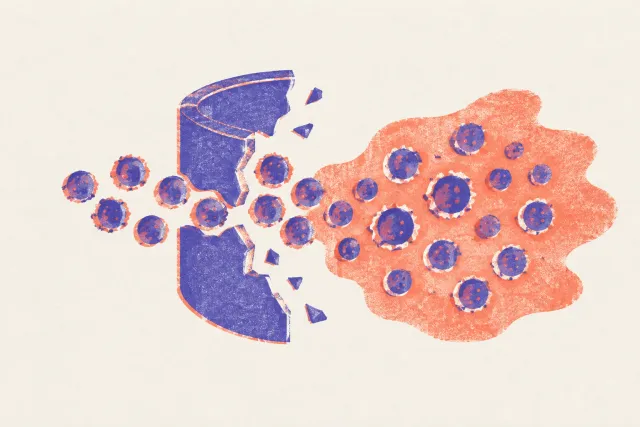
In mice, loss of a cell brake worsened MS-like disease
In mice with an MS-like disease, losing a protein that limits immune cell growth worsened inflammation.
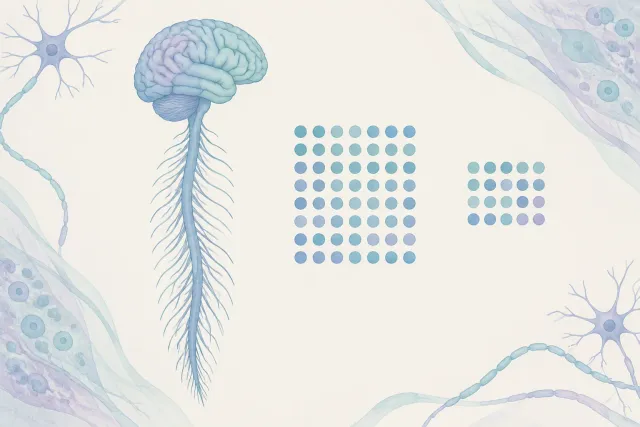
MS is less common in Latin America than elsewhere
This review reports that MS is less common in Latin America than in many other regions.

Blood tests predicted MS worsening or relapses on Gilenya
Two blood markers pointed to different risks for people with MS taking Gilenya: worsening without a relapse and future relapses.
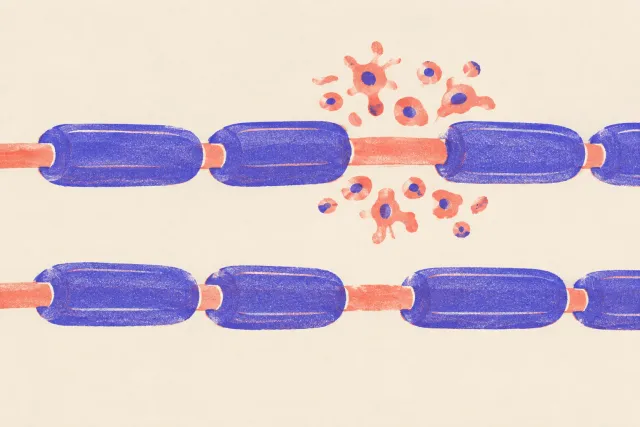
In older mice, myelin repair relevant to MS was delayed
In older mice, myelin repair was delayed, along with changes in how the brain's immune cells responded to damage.

In animal MS models, a new treatment cleared lesions
In animal models of MS, a treatment placed in immune-system hubs cleared areas of nerve damage without weakening the response to a vaccine challenge.
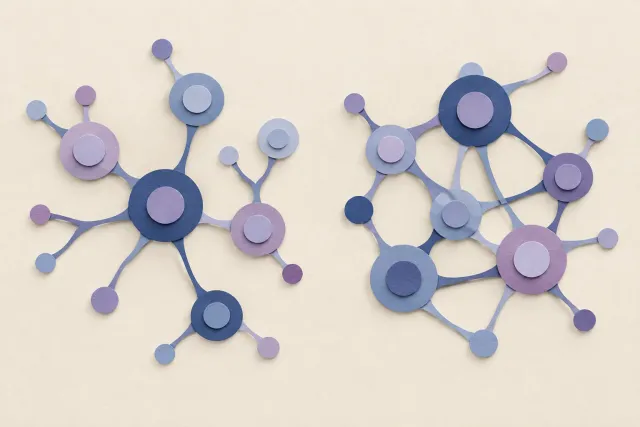
New lab method maps cell signals in mouse and MS brains
A new lab method found that some signals between brain cells differed in tissue from people with MS.

Children with MS had fewer relapses on pills or infusions
Children switching from MS shots to pills or infusions had fewer relapses than children switching to different shots.

What Alzheimer's research can teach about MS tests
A review describes how lessons from Alzheimer's disease research are being applied to tests that track MS and other conditions.
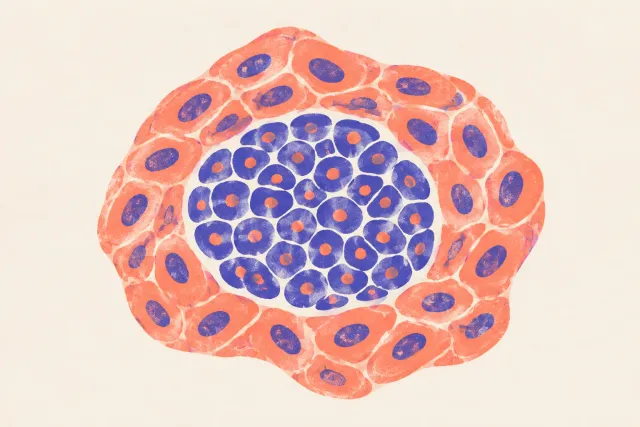
Lab mapping finds active support cells inside MS lesions
Support cells in the centers of long-lasting MS lesions had different protein patterns than cells in nearby tissue.
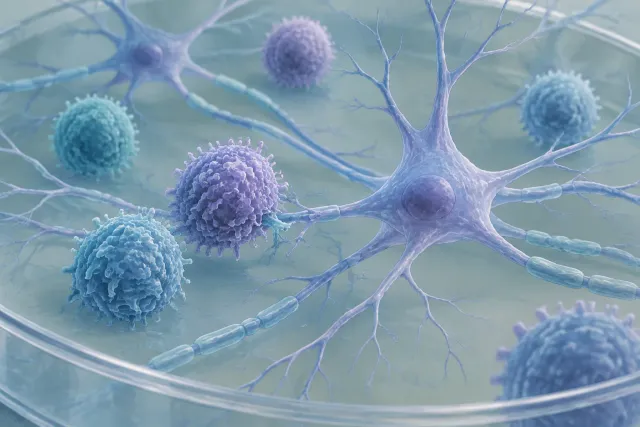
MS lab study: Drug protected nerve cells in a dish
In a lab study linked to MS, a drug prevented immune cells from disrupting nerve cells in a dish.
MS in review: Mobile check-ins often worth their cost
A review covering MS and five other conditions found mobile check-ins worth their cost in six of seven studies, but the results were uncertain.
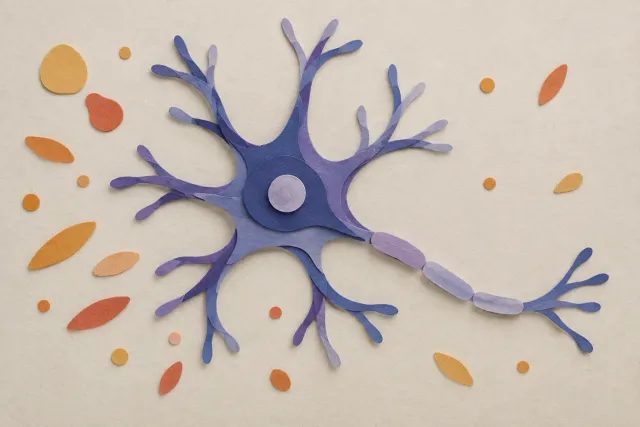
In mice, a brain cell protein limited MS-like inflammation
In mice with an MS-like disease, a protein in brain cells helped limit inflammation.

In mice, drug-carrying cells slowed MS-like disease
In mice with an MS-like disease, immune cells carrying a drug slowed disease progression and improved movement.

Metformin eased MS-like disease in female mice only
Metformin eased an MS-like disease in female mice, but not male mice.
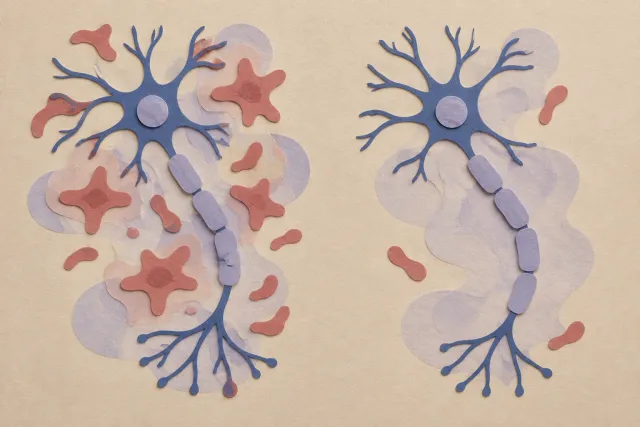
In mice, removing an immune gene eased MS-like disease
Mice missing an immune gene had milder MS-like disease and less inflammation in the nervous system.

MS risk factors shared changes in how genes are read
Several factors linked to developing MS also shared changes in how genes are read.

Less activity linked to fatigue across illnesses, including MS
A review found that less movement and more time sitting were linked to fatigue across several long-term illnesses, including MS.
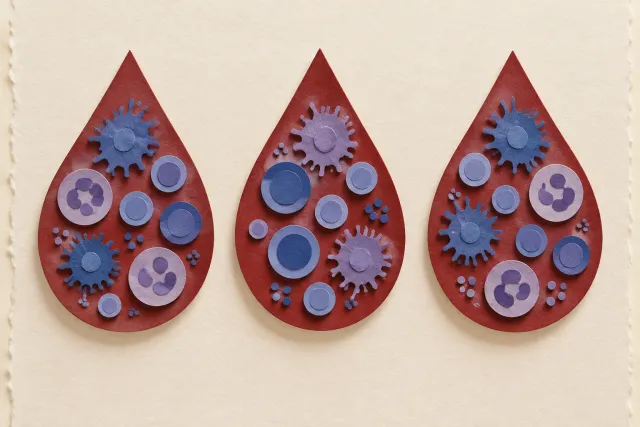
Blood immune cells differ in an MS look-alike disease
People with an MS look-alike condition had different patterns of immune cells in their blood than people with MS or healthy volunteers.
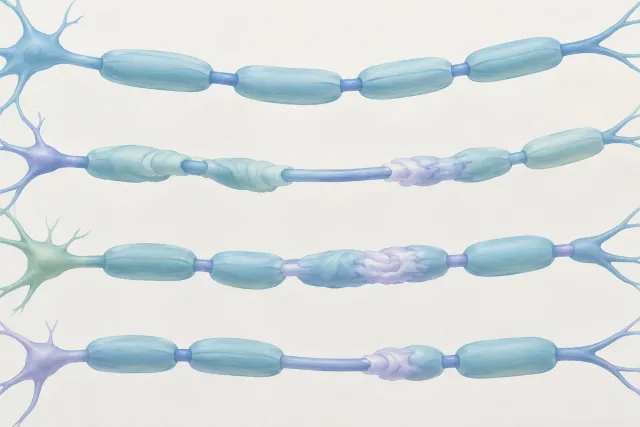
Myelin repair may slow with age in people with MS
Myelin repair may decline with age in people with MS, but the evidence is mixed and repair can still happen later in life.

Spinal fluid test distinguished MS from other conditions
A spinal fluid test distinguished people with MS from people with other nerve conditions and helped predict later disability.

Targeted MS immune treatments face hurdles in research
This review found that treatments designed to target the immune attack in MS are still being studied and face hurdles.

Brain scan finds hidden nerve connection loss in MS
A specialized brain scan found nerve connection loss in people with MS, including damage beyond the areas seen on MRI.

Menopause did not speed up disability in women with MS
Menopause was not linked to faster disability worsening in women whose MS began with relapses.

MS blood and spinal fluid had more active immune cells
People with MS had more inflammation-linked immune cells in their blood and spinal fluid than people with other nerve conditions.

Spinal fluid tests helped tell MS from look-alikes
Spinal fluid markers helped distinguish MS from two conditions that can look like it during flare-ups.

Two diets lowered a measured aging score in MS studies
A modified ketogenic diet and intermittent calorie restriction each lowered an aging score in people with MS.

MS lab model: Drugs boosted myelin repair in cells
Three compounds increased myelin repair in lab-grown brain cells, but only when the model included immune cells.

Interferon beta reduced MS-like disease signs in mice
In mice, interferon beta reduced MS-like disease, while patient cell tests showed how it may affect harmful immune activity.
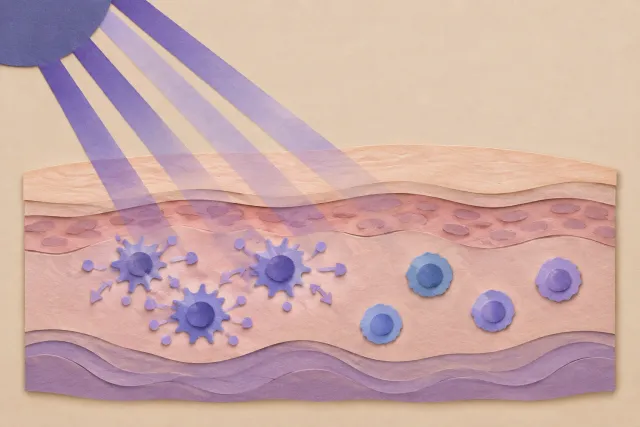
Ultraviolet light eased MS-like illness in some mice
Ultraviolet light eased MS-like illness in mice, but not when certain skin immune cells could not respond to it.
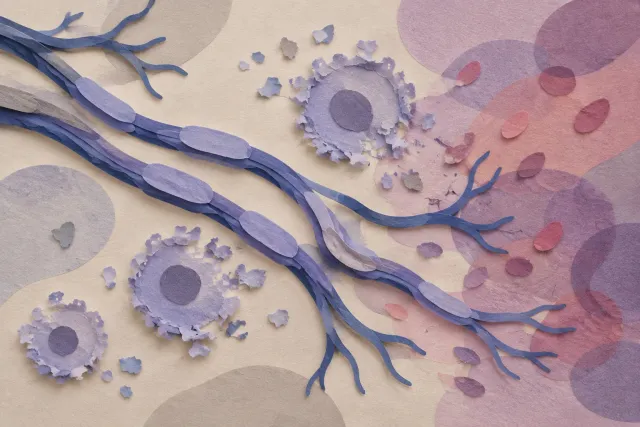
Review links cell death to nerve damage across MS stages
A review found growing evidence that cell death may both result from inflammation and add to nerve damage in MS.

People with MS on rituximab had more hospital stays
People with MS taking rituximab had more hospital stays and more low levels of infection-fighting proteins than those taking Ocrevus.

Blocking an immune switch slowed MS-like disease in mice
Blocking an immune switch slowed MS-like disease in mice and lowered signs of immune activity in cells from people with MS.

Review examines immune cells linked to MS inflammation
This review links a type of immune cell to inflammation in MS and other autoimmune diseases.

Metformin boosted myelin in MS-related cells and mice
Metformin increased production of myelin, the protective covering around nerves, in lab models using human cells.
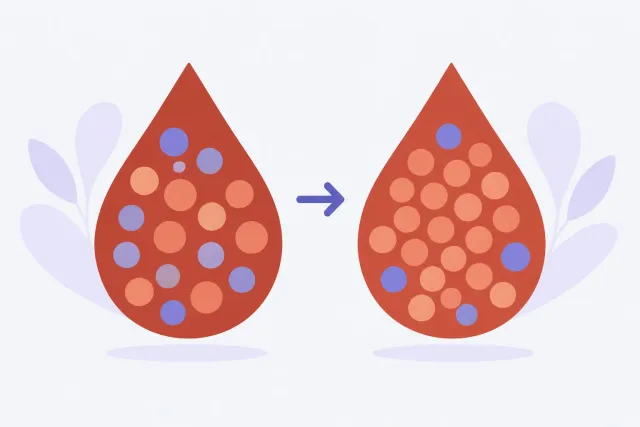
MS treatment changed blood cells linked to inflammation
After treatment that reduces B cells, inflammation-linked blood cells became more common in people with MS.
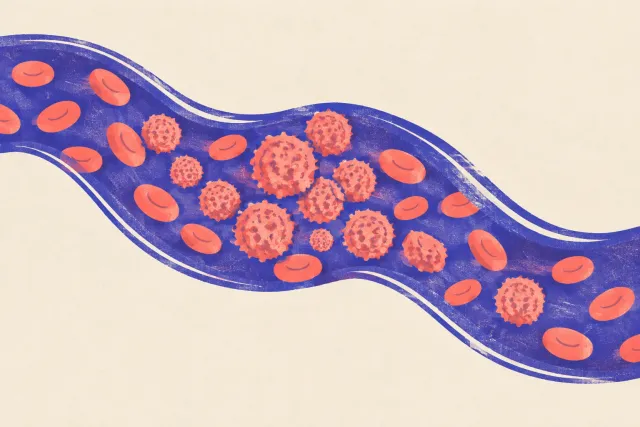
Blood immune cells rose during MS relapses in study
People having an MS relapse had more of a certain immune cell in their blood than people whose MS was quiet.
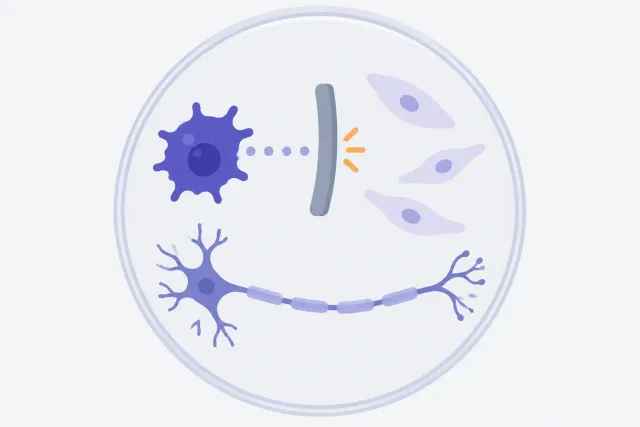
In cells, blocking an immune signal reduced MS-linked harm
Blocking a signal on immune cells reduced their harmful activity in lab tests, while higher levels of that signal were linked to inflammation in MS.
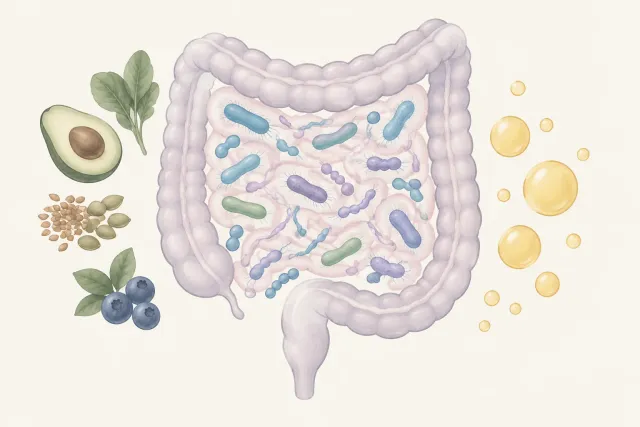
Review explores high-fat, low-carb diets and the gut in MS
This review explores how a high-fat, low-carb diet may affect the gut, including gut microbes in MS and other conditions.
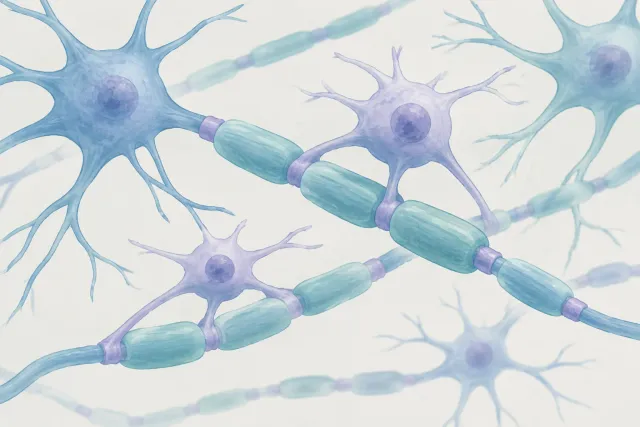
In mice, faulty cells slowed myelin repair; MS untested
In mice, faulty support cells slowed myelin repair, but the study did not test MS directly.

In MS-like mice, blocking harmful by-products eased pain
In mice with an MS-like disease, blocking harmful by-products reduced pain and anxiety-like behavior.
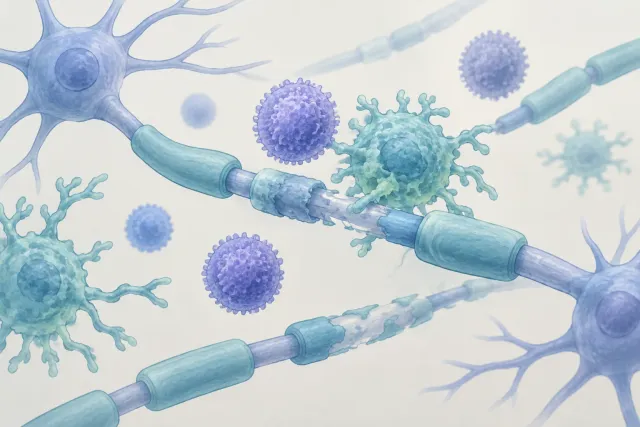
Mice lacking an immune brake had worse MS-like disease
Mice lacking a gene that helps control immune activity developed more severe MS-like disease.

MS brain tissue can change even outside visible lesions
This review describes changes in MS brain tissue that looks normal and discusses how they may relate to worsening disability.
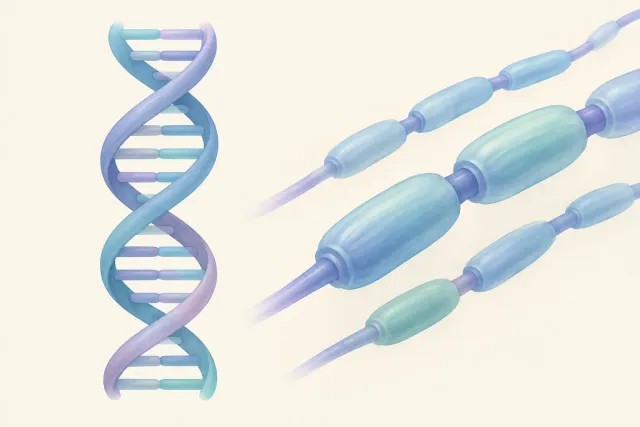
Depression-related genes linked to more MS relapses
Adults with a higher inherited risk of depression had more MS relapses, but the study does not show that those genes caused them.

MS relapses rose with longer Tysabri pregnancy breaks
In women with MS, longer breaks from Tysabri around pregnancy were linked to more relapses.

Stem cell transplants cut MS relapses more than two drugs
In matched groups with relapsing MS, stem cell transplants were linked to fewer relapses and more disability improvement than Mavenclad or Lemtrada.
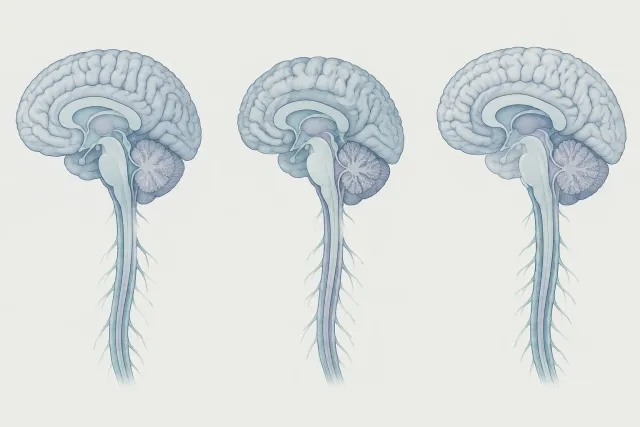
MRI finds different brain loss in MS and look-alikes
MRI scans found different patterns of brain and upper spinal cord shrinkage in MS and two conditions often mistaken for MS.

Trial drug did not improve scores in two MS studies
Elezanumab did not improve the main study score in either trial of people with relapsing or progressive MS.
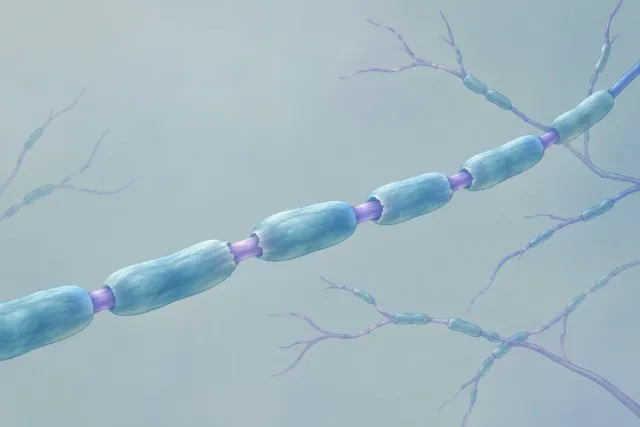
Older adults with MS face harder treatment decisions
A review found that diagnosing and treating MS can become more complicated with age, while evidence to guide treatment in older adults remains limited.

Removing immune cells eased MS-like disease in mice
Removing two groups of immune cells eased signs of an MS-like disease in mice.

In mice, blocking an immune signal eased an MS look-alike
In mice with a condition often mistaken for MS, blocking an immune signal reduced disease severity and damage to brain cells.
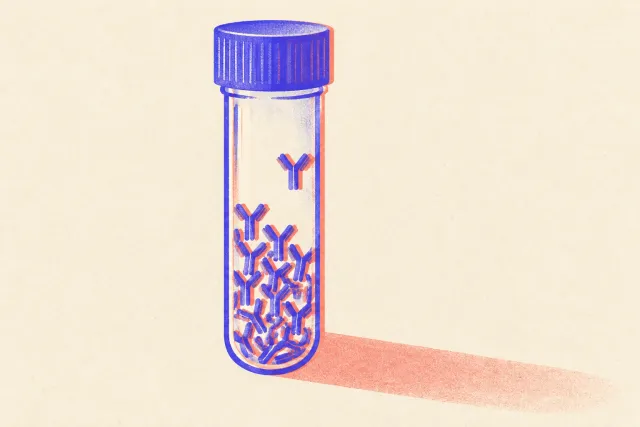
Blood test found early signs of future relapsing MS
A blood test found higher levels of certain antibodies years before people were diagnosed with relapsing MS.

Stem cell transplants repaired MS-like damage in mice
Transplanted stem cells helped repair damaged nerve covering in mice.

Genetic study identifies 18 possible MS drug targets
A study of genetic and protein data identified 18 possible targets for future MS drugs.
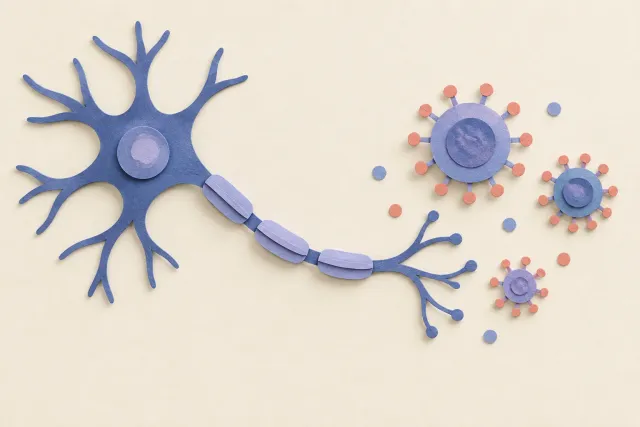
Review proposes monkey models to study MS virus link
This review proposes monkey models to study how the Epstein-Barr virus (a virus linked to MS) may contribute to MS.

In MS-like mice, immune cells increased near smell nerves
In mice with an MS-like disease, immune cells increased around nerves used for smell, and nearby skull bone marrow changed.

Blocking cell death reduced MS-like damage in mice
Blocking a cell death process in mice reduced MS-like nerve covering damage and inflammation.
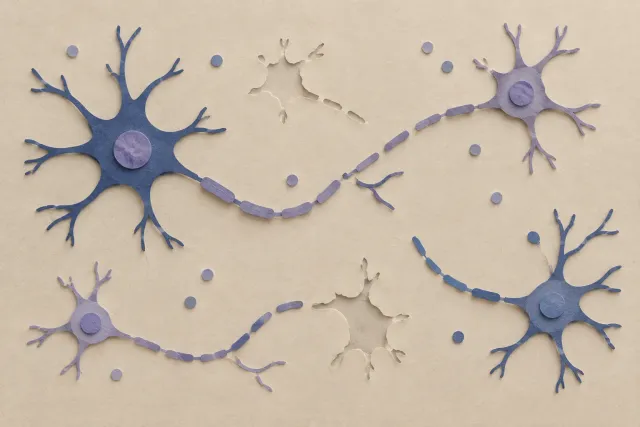
Progressive MS brain tissue and mice lost key nerve cells
Donated brain tissue from people with MS and tissue from mice with an MS-like disease showed nerve cell loss and weaker energy activity.
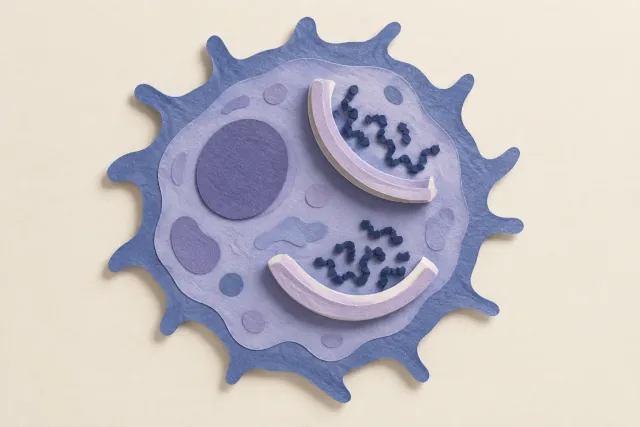
In lab cells, defenses held back an MS-linked virus
In lab-grown immune cells, two cell defenses held back genes from a virus linked to MS.
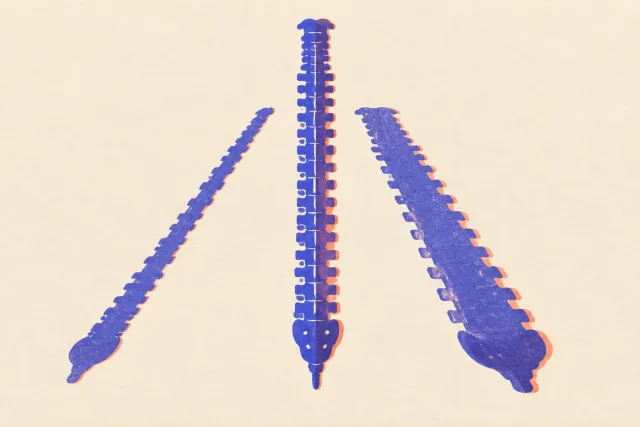
Steroids reduced misleading spinal cord shrinkage in MS
In newly diagnosed MS, high-dose steroids before the first scan were linked to less misleading spinal cord shrinkage after treatment began.

In mice, nasal treatment eased MS-like brain damage
In mice with an MS-like disease, a nasal treatment reduced brain damage and helped damaged areas heal.

More Ocrevus doses linked to slower immune cell return in MS
In people with MS taking Ocrevus, more total doses were linked to a slower return of certain immune cells.

In mice, Fycompa reduced MS-like disease severity
In mice, perampanel reduced MS-like disease severity by keeping immune cells from leaving lymph nodes.

MS review describes treatment gains and future goals
This review describes gains in MS treatment and says prevention and repair are becoming more realistic goals.

MS-like myelin loss fell in treated mice and monkeys
An experimental compound reduced myelin loss in mice with an MS-like disease and in marmosets.
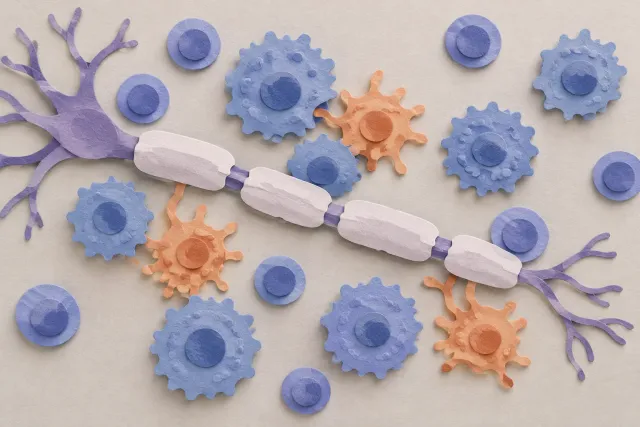
B-cell treatment shifted immune cells linked to MS inflammation
After B-cell treatment for MS, researchers found more inflammation-calming immune cells and fewer cells that react to myelin (the covering around nerves).
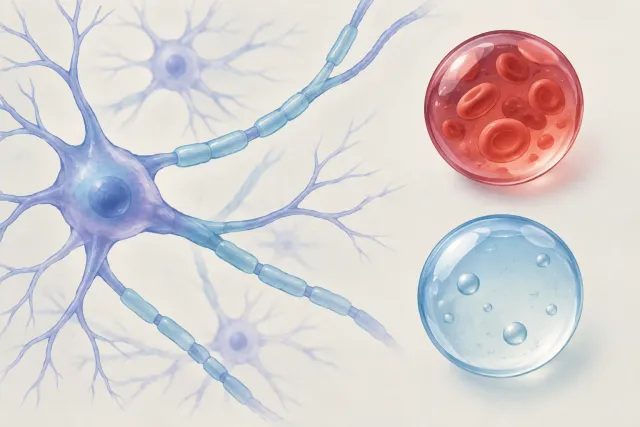
Blood and spinal fluid clues predicted MS symptoms
In people whose scans showed possible MS but who had no symptoms, blood and spinal fluid signs were linked to later MS symptoms.

In donated MS brains, lost nerve links tracked shrinkage
In donated brains from people with MS, shrinkage in a deep brain area was linked to damaged nerve connections and changes in immune cells.

In relapsing MS, immune cells sent less calming signal
In relapsing MS, immune cells released less of a signal that helps calm other immune cells.

Structural racism may shape MS risk and disability
This article argues that structural racism may help explain differences in MS risk and disability across racial and ethnic groups.
New lab method maps spinal cord fats in MS-like mice
A new lab method mapped changes in inflammation-related fats in the spinal cords of mice with an MS-like disease.

In MS-like mice, treatment helped or hurt movement
In mice with an MS-like disease, activating an immune switch eased nerve pain, but its effect on movement depended on sex chromosomes.
Brain scan method may help track MS changes over time
A review describes a brain scan method that may help track changes in MS, but it does not establish how well it works.

Clemastine linked to faster disability in progressive MS
In a small trial, people with progressive MS taking clemastine had faster disability worsening than other trial participants.

Removing an immune cell switch eased MS-like disease in mice
In mice with an MS-like disease, removing a molecule from certain immune cells reduced disease severity and helped the mice recover.

Gut bacteria from MS twins triggered MS-like disease in mice
Gut bacteria from people with MS triggered MS-like disease more often in mice than bacteria from their twins without MS.

In mice, loss of an immune switch reduced MS-like relapses
In mice, removing an immune switch reduced MS-like disease, especially during relapse.
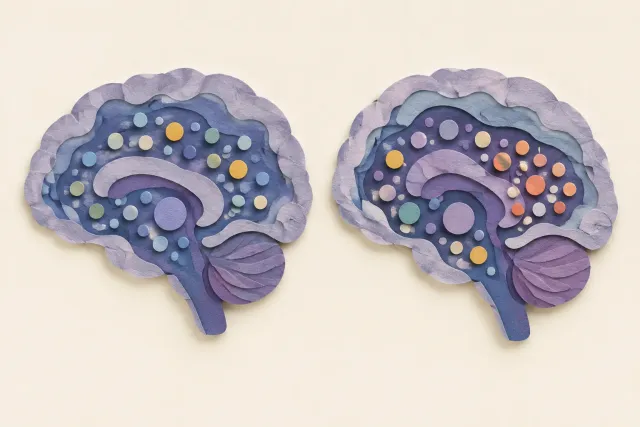
New lab map finds altered immune signals in MS brains
A new lab map found different levels of inflammation-related substances in MS brain tissue and brain tissue from people without MS.
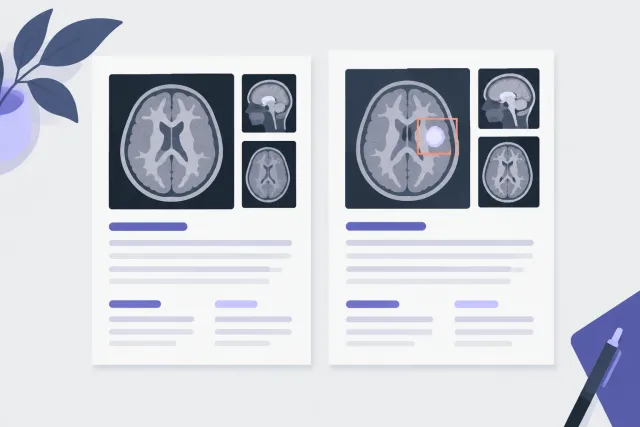
AI tool found new MS lesions in written MRI reports
An AI tool accurately found new MS lesions in written MRI reports.
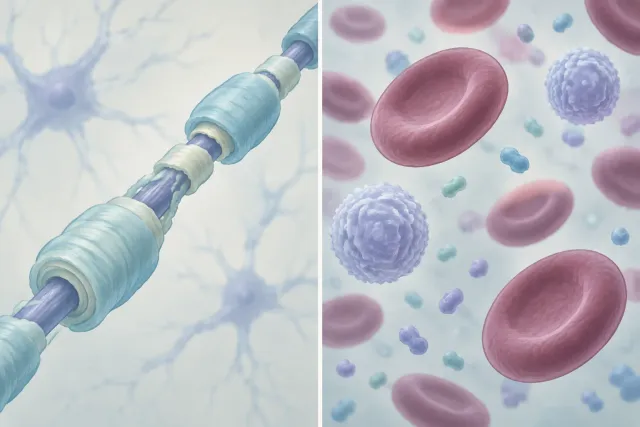
In MS and mice, a blood marker tracked myelin damage
In mice, a blood marker rose as myelin was lost and fell as it was repaired. It was also linked to myelin breakdown in people with MS.

Stem cell transplant had fewer relapses than MS drugs
People with relapsing MS who had a stem cell transplant had fewer flare-ups than those taking Lemtrada or Ocrevus.
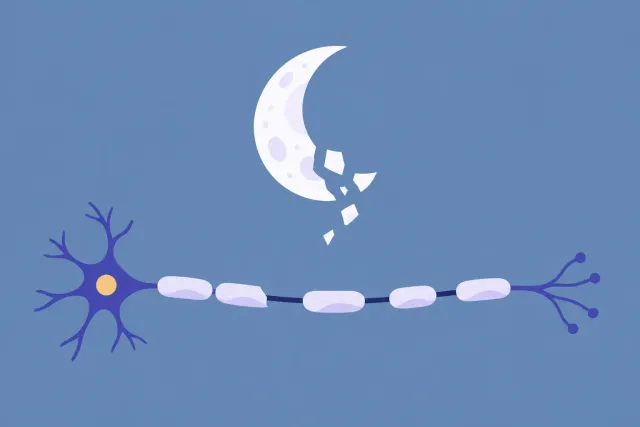
In mice, lost sleep worsened progressive MS-like disease
In mice, disrupted sleep worsened an MS-like disease, while results from an earlier trial linked a Mediterranean diet to improved MS symptoms.
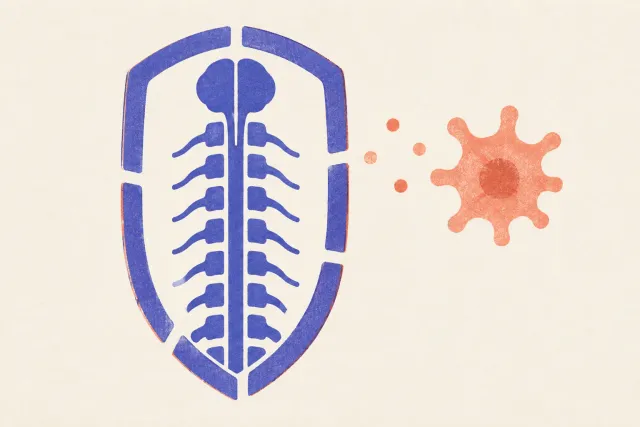
In MS-like mice, removing an immune signal eased damage
In mice with an MS-like disease, removing an immune signal reduced damage to the spinal cord’s protective barrier.

Check out the MS Buddy app
It’s free, with no ads. Built by people living with MS.


More on MS Buddy
 MS clinical trialsTrials recruiting now, by state, phase or treatment.
 Browse MS centers by stateThe full directory, with a page for each state and city.
 MS terms explainedThe words you hear at appointments, in plain language.
 Questions for your doctorMore than 200, grouped by what is going on with you.