MS Research News (page 6)
New MS studies, summarized simply by AI. Not medical advice, and not reviewed by a clinician — just a plain-language look at what’s being published.
- 535 studies
- From PubMed
- Plain language
The latest studies

What Blood Fats May Reveal About Severe Progressive MS
In a small study of people with progressive MS, differences in blood fats and signs of ongoing inflammation were linked to greater disability, but the study did not show that either one causes disability.

How MS Treatment May Change Virus Defense and Nerve Health
In a small study, people taking the MS treatment ocrelizumab had a lower immune response to one virus, while their responses to two other viruses were similar to those of other groups.

How Cell Studies Could Improve Future MS Treatment Choices
Studying immune cells one at a time may help researchers understand MS and improve future treatment choices, but the findings are not ready to guide care yet.
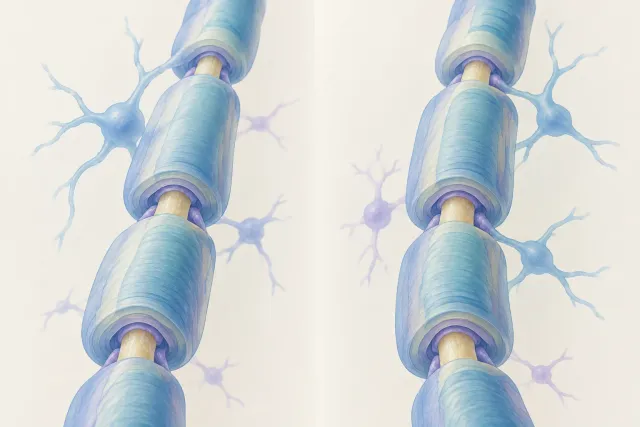
Can AI-Made MS Data Help Compare Treatment Choices?
In this study, computer-made MS patient records closely matched real records when researchers compared treatment plans and tracked worsening that happened without a relapse.

MS Studies May Miss People Whose Symptoms Get Worse
A 10-year MS study suggests that when people with worsening symptoms leave a study, its results may make MS progression look less common than it really is.
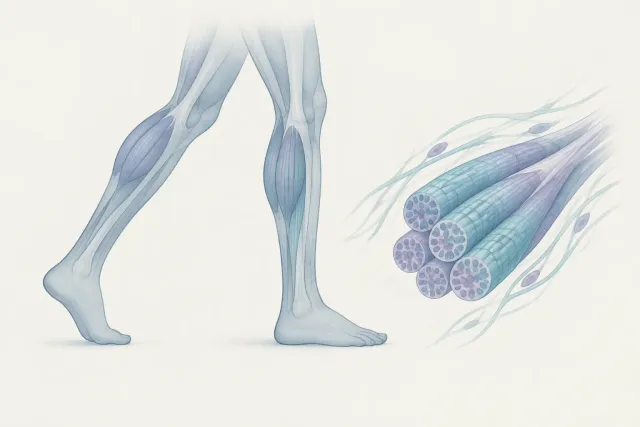
Can Exercise Help Make Walking Less Tiring With MS?
Regular exercise helped many people use less energy when walking, but there is too little research to know how much it helps people with MS.

A Closer Look at MS Scans May Show Early Treatment Changes
A detailed type of MS scan detected changes in brain tissue about three months after treatment began, but it is not yet clear whether those changes mean patients will feel or function better.
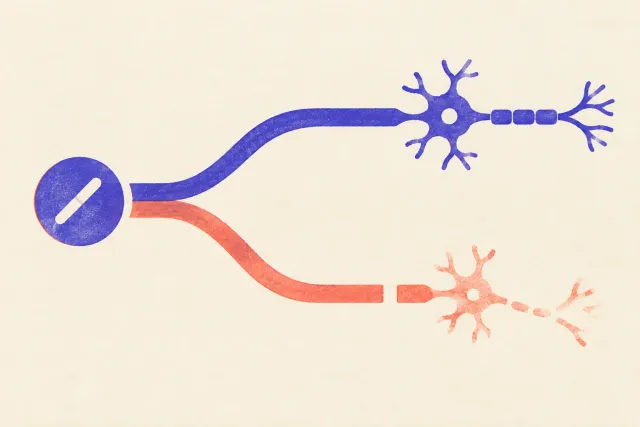
Weight Loss Drugs and MS: What Patients Should Know
A review says some people with MS may use certain weight loss and diabetes medicines for other health conditions, but it is not clear whether these medicines help MS itself.

MS Diagnosis: Why New Symptoms Need a Careful Check
New neurology doctors sometimes missed MS-related conditions or mistook other problems for them, showing why new symptoms need a careful check.

MS and Housing Challenges: How to Protect Your Care
Housing problems and forced moves can make MS care harder to access, but researchers need more evidence to understand the full impact.
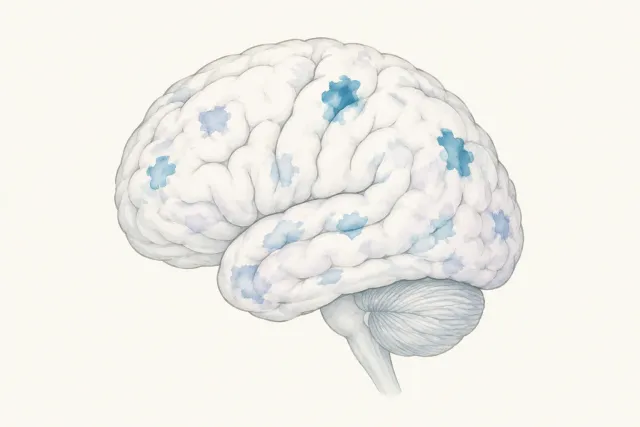
Can Stem Cell Transplants Fade Lingering MS Brain Spots?
In a small study, some long-lasting MS brain spots faded after a stem cell transplant, but researchers do not yet know whether this improves symptoms.

Sudden Vision Loss: An MS Look-Alike Worth Knowing
A teen with sudden vision loss recovered after treatment for a rare condition that can look like MS, showing why the right diagnosis matters.

A Rare MS-Like Illness Offers Clues About Immune Care
One person’s MS-like illness may offer a clue about how the immune system attacks nerves, but it does not change MS treatment today.
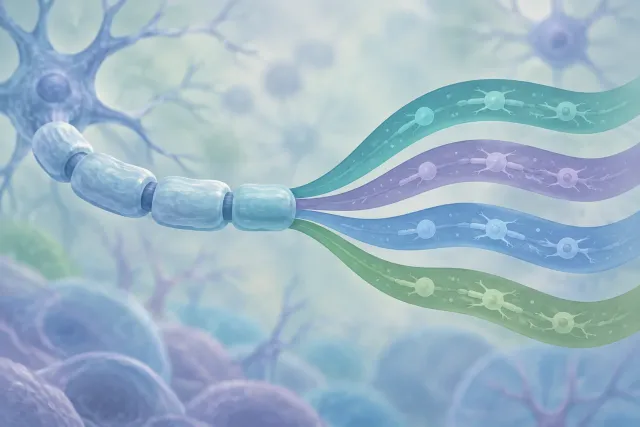
MS Treatment Choices: What Matters for Slow Worsening
In this study, four common MS treatments showed no clear difference in the risk of disability getting worse without an attack.

MS Treatment Choices: Why Age and New Tests Matter
MS care is becoming more personal, with newer tests and a person’s age helping guide when to start, change, or stop treatment.

MS and Pregnancy: Why Mental Health Check-Ins Matter
Mothers with MS may need mental health support during both their first and second pregnancies, so it is worth checking in about mood and anxiety each time.

Immune Cells and MS: What New Research Means for You
A review of human studies found that higher levels of a calming type of immune cell are linked with better MS outcomes, but it is not yet clear whether these cells cause the improvement.

How Sharing Your MS Symptoms May Improve Your Care
Symptom surveys can help your MS care team understand your daily life, but this review found that survey answers do not always lead to changes in care.

MS Treatment and Virus Defense: What Patients Should Know
In this study, people with MS taking B-cell treatments had fewer immune cells that recognized Epstein-Barr virus, but the study cannot tell whether this change helps or harms them.
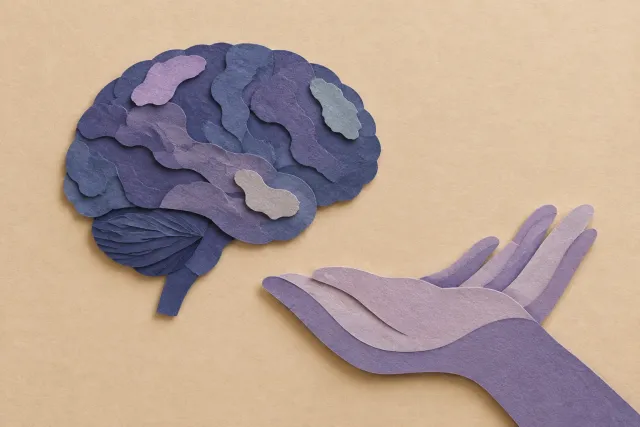
Brain lesions linked to worsening weakness in MS cases
Rare brain lesions were linked to steadily worsening weakness in people with MS or related conditions.
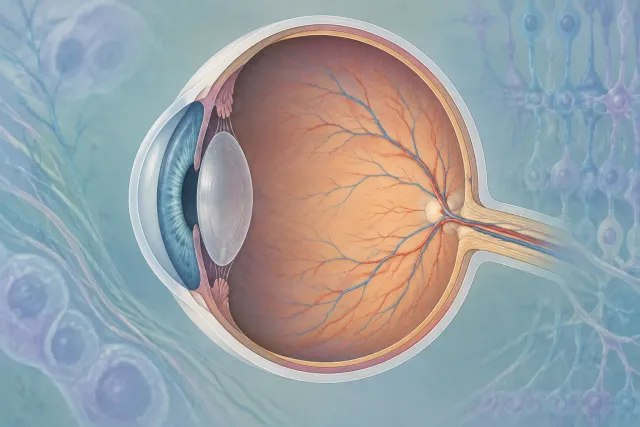
Narrower eye blood vessels linked to more MS disability
In people with MS, narrower blood vessels in the eye were linked to greater disability.
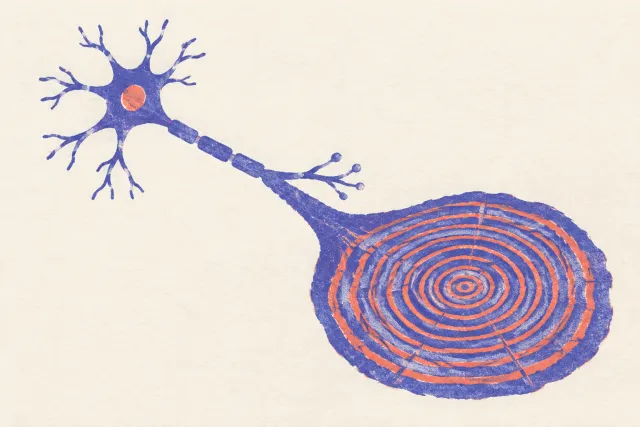
Age estimate from nerve protein ran older in people with MS
An age estimate based on a nerve protein was more often older than actual age in people with MS than in people without MS.

MS family history did not predict worse long-term outcomes
Having a family member with MS was not linked to worse long-term outcomes after MS began.

Exercise linked to lower MS risk only with less sun
Leisure-time physical activity was linked to lower MS risk among people with less sun exposure, but not in the full group.

Slower vision test linked to brain scan changes in MS
In people with MS, slower responses on a vision test were linked to less brain tissue and more damage on brain scans.

In MS, support shaped links between sharing and mood
Among adults with MS, sharing distress was linked to less anxiety and depression when support felt low, but more when support felt high.

Online mindfulness course to test depression in MS care
Researchers plan to test whether an online mindfulness course reduces depression in people with MS; the study has no results yet.
Thinking problems linked to sexual difficulties in MS
Thinking problems were linked to sexual difficulties in people with MS, and the relationship varied with disability severity.

Vitamin D had uneven ties to pain and tiredness in MS
In people with MS, higher vitamin D levels did not consistently go with more confidence in managing tiredness or with less pain.

Brain connection changes linked to thinking in early MS
Changes in brain connections differed between people with early MS whose thinking stayed stable or improved and those whose thinking was impaired or worsened.

Remotely guided muscle training eased urine leaks in MS
Remotely guided exercises for muscles supporting the bladder reduced urine leaks and bladder overactivity in people with MS.

MS treatment in Poland started sooner, reached more people
In Poland, more people with MS received treatment, started it sooner, and received stronger drugs more often.

MS review: diet and exercise links need more evidence
This review found no direct evidence that diet or exercise improves MS through the body's own cannabis-like signaling system.
People with MS had higher blood mercury and chromium
People with MS had higher blood levels of mercury and chromium, but lower levels of aluminum and titanium, than healthy volunteers.

Brain scans after a car crash revealed MS in a teen
Brain and spine scans after a car crash revealed signs of MS in an 18-year-old male.

Check out the MS Buddy app
It’s free, with no ads. Built by people living with MS.


More on MS Buddy
 MS clinical trialsTrials recruiting now, by state, phase or treatment.
 Browse MS centers by stateThe full directory, with a page for each state and city.
 MS terms explainedThe words you hear at appointments, in plain language.
 Questions for your doctorMore than 200, grouped by what is going on with you.