MS Research News (page 4)
New MS studies, summarized simply by AI. Not medical advice, and not reviewed by a clinician — just a plain-language look at what’s being published.
- 535 studies
- From PubMed
- Plain language
The latest studies
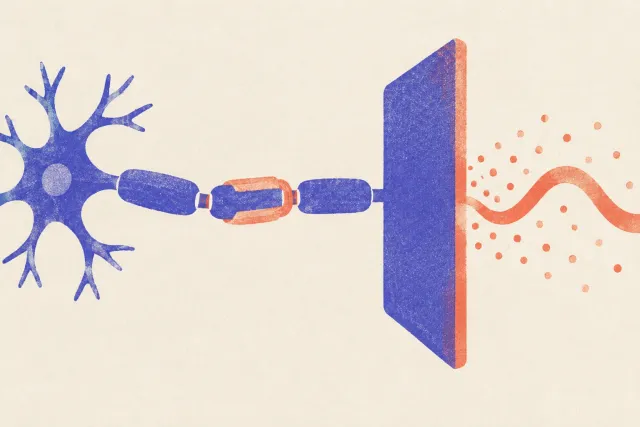
MS mouse study: Blocking a signal aided myelin repair
Blocking a signal released by blood immune cells improved myelin repair in mice.

MS worsening without relapses varies by study rules
The rate of MS worsening without relapses changed depending on how researchers defined and measured it.

Removing an immune protein eased MS-like eye damage in mice
Removing an immune protein in mice eased early nerve damage in an MS-like disease, but did not prevent every sign of damage.

Epstein-Barr virus variant linked to MS risk in study
A version of an Epstein-Barr virus gene was linked to MS risk, and virus-related genes showed changes in MS blood and brain samples.
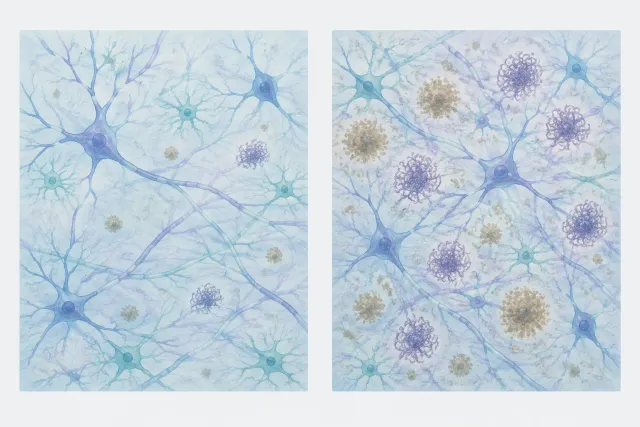
MS brains had fewer signs of Alzheimer's disease
Donated brain tissue from people with MS had less of two changes linked to Alzheimer's disease than tissue from people without MS.
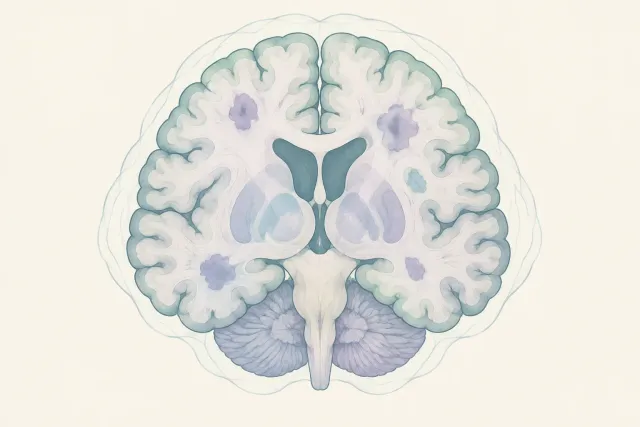
New tool measures MS brain changes in old hospital scans
A new tool measured MS lesions and brain shrinkage using older hospital brain scans.

MS theory links immune attacks on support cells to damage
The authors propose that MS may begin when the immune system attacks cells that control water and salts in the brain.
MS review explores tiny cell packages as blood clues
A review describes how tiny packages released by brain cells might help researchers study MS and other brain and nerve conditions.
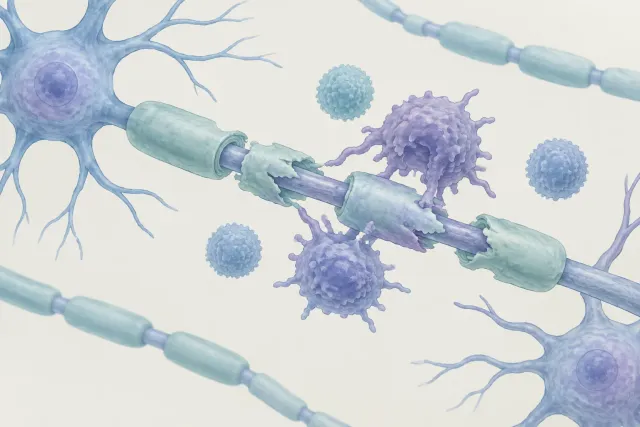
In mice with MS-like disease, maraviroc reduced damage
In mice with an MS-like disease, maraviroc reduced immune cell buildup, damage to nerve coverings, and disease worsening.

New method sharpened portable MRI scans for people with MS
A computer method made portable MRI images of adults with MS clearer and more like images from standard scanners.

MS study finds blocked immune signal hinders repair in mice
Blocking an immune signal hindered myelin repair in mice with damaged nerve coverings.

COVID-19 Vaccine Questions Remain for People With MS
A review of COVID-19 and MS found that the best vaccination approach for people with MS remains unclear.
In mice, brain-reaching drugs eased MS-like illness
In mice, drugs that blocked an immune signal in the brain eased MS-like illness, while a drug that stayed outside the brain had little effect.

MS starting after 50 showed less nerve-covering repair
In people whose MS began after age 50, brain tissue showed less evidence of nerve-covering repair than in people whose MS began earlier.

High-fat diet prevented an MS-like disease in mice
A high-fat diet prevented an MS-like disease in mice, while a high-carbohydrate diet made it worse.

MS blood samples had more virus and brain antibodies
People with MS had higher levels of antibodies against an Epstein-Barr virus protein and several proteins in the nervous system than people without MS.

New lab images find a virus in progressive MS brains
A new lab imaging method found signs of the Epstein-Barr virus in damaged areas of brains with progressive MS.

Review examines how MS may affect women's heart health
A review found that MS and other conditions affecting the nervous system can affect heart health in females.

Review links an immune trigger to damage in MS brains
This review links an immune response in the brain to nerve damage in MS and other brain diseases.
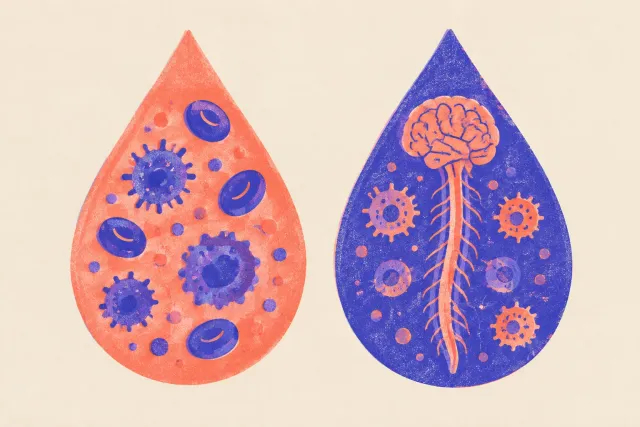
B-cell treatment changed immune cells in people with MS
After B-cell treatment, people with MS showed changes in immune cells in their blood and the fluid around their brain and spine.

Gut bacteria balance may mark MS in people and mice
People with MS had a different balance of two gut bacteria than people without MS.
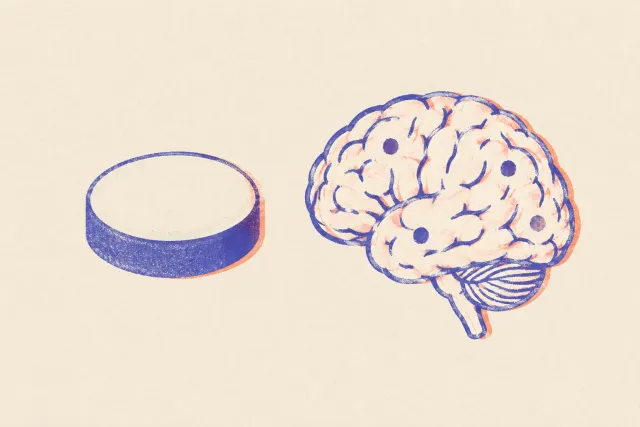
High-dose vitamin D cut new lesions after first MS attack
High-dose vitamin D reduced new brain lesions after a first MS-like attack, but it did not clearly reduce relapses.

Past virus infection tied to worse MS-like illness in mice
Mice given cells from donors with past Epstein-Barr virus infection developed worse MS-like symptoms than mice given cells from donors without past infection.
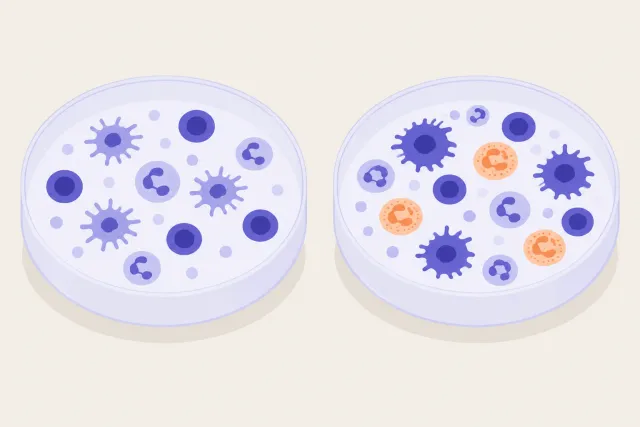
MS look-alike had different immune cells than MS
People with an MS look-alike condition had different immune cells in their spinal fluid than people with MS.
New lab test finds signs tied to MS after first attack
A new lab test found blood markers linked to disease activity and treatment response after a first MS-like attack.
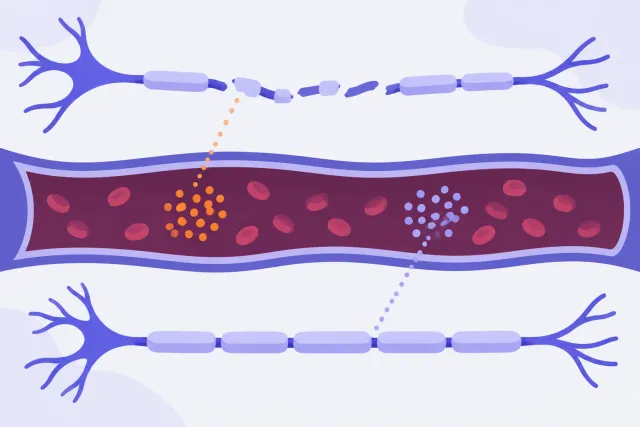
Blood chemicals linked to MS onset and less worsening
Two blood chemicals were linked to higher chances of developing MS, while several others were linked to less disability worsening after MS began.
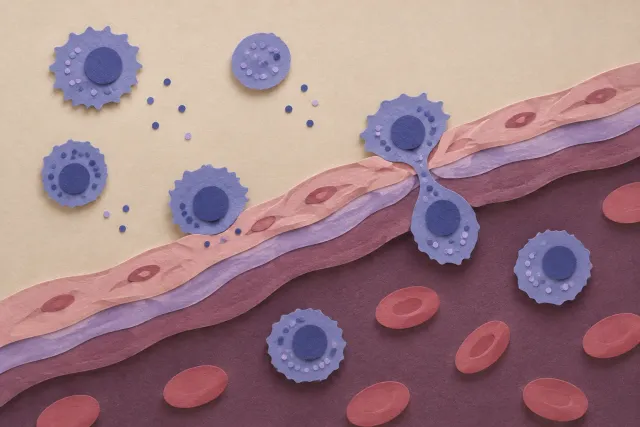
MS lab study shows how immune cells cross blood vessels
In lab tests, where immune signals sat on blood vessel cells determined whether certain immune cells stopped or crossed through.
Immune cell patterns linked to MS and cancer response
A group of immune cells was linked to MS disease state and response to cancer treatment.

One gut bacterium strain worsened MS-like disease in mice
One strain of gut bacteria worsened an MS-like disease in mice, while two other strains did not.
In mice, an injection eased progressive MS-like disease
In mice with a progressive MS-like disease, one injection of experimental particles reduced disease severity, even after symptoms began.
New method finds shared changes in MS brain tissue
A new method found shared changes in MS brain tissue across several studies.
In mice, cell packets prevented an MS-like disease
In mice, tiny packets from immune cells prevented an MS-like disease and preserved movement control.

In MS-like mice, a gene treatment improved eyesight
An experimental gene treatment helped eye cells survive and improved vision in mice with an MS-like disease.

Retinal thinning linked to MS in a large eye scan study
In a large eye scan study, people with MS were among those linked to thinning in the light-sensitive tissue at the back of the eye.
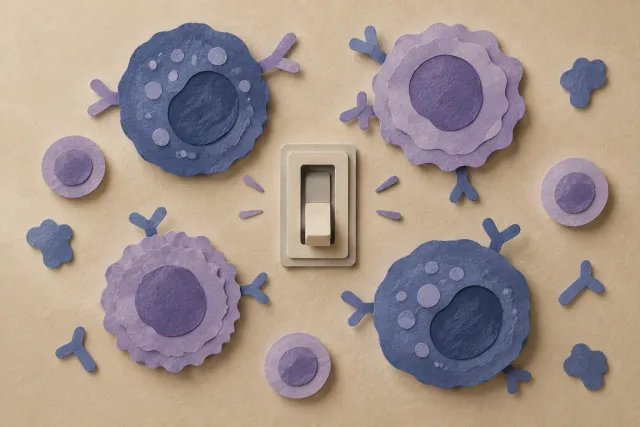
Blocking an immune cell switch eased MS-like disease in mice
Blocking a cell process reduced harmful immune activity and eased MS-like disease in mice.
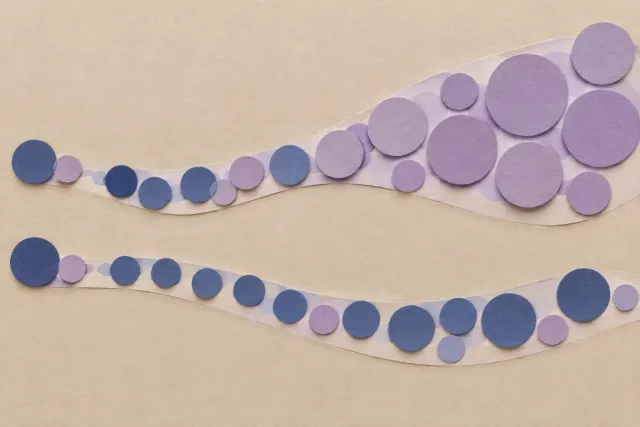
People with MS in Denmark grew older from 1950 to 2023
The average age of people with MS in Denmark rose modestly, while women became a larger share of the MS population.
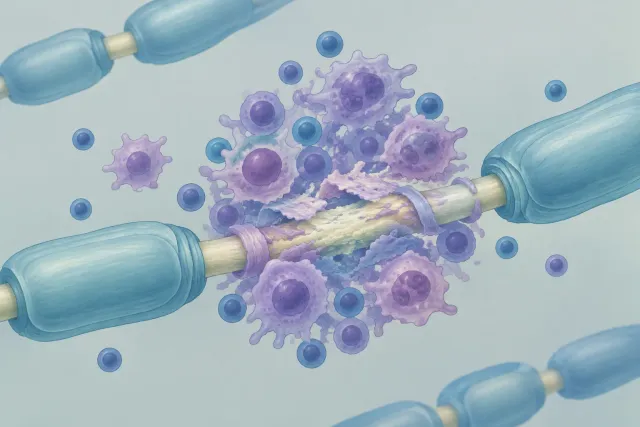
Aging cells clustered in active lesions in progressive MS
In donated tissue from people with progressive MS, aging cells were more common in active areas of myelin damage.
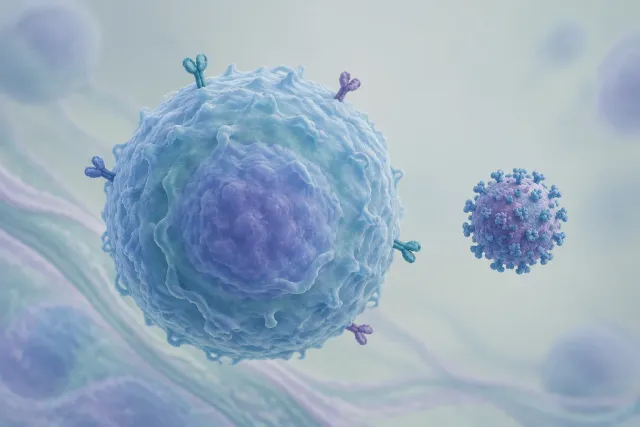
In lab cells, an MS-linked virus removed immune sensors
In lab-grown immune cells, the Epstein-Barr virus removed surface sensors that help the cells respond to threats.

Brain scans show early differences in children with MS
Brain scans showed early changes near the brain’s fluid spaces in children with MS, and those changes were linked to brain damage.
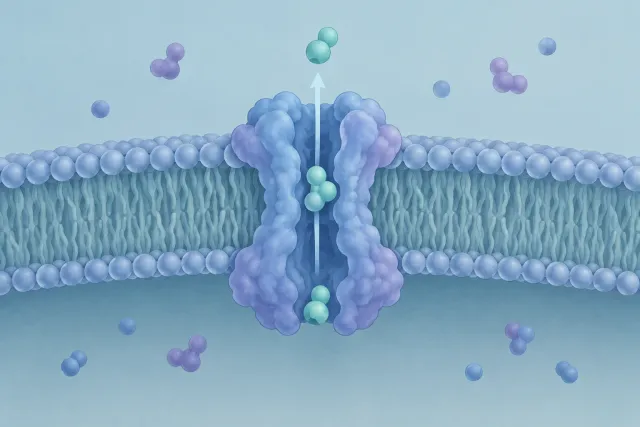
Lab study maps how the MS drug Gilenya leaves cells
A lab study showed how a cell protein carries a form of the MS drug Gilenya out of cells.

New brain cell map spots an immune shift in MS tissue
A new map of brain immune cells found that one group was more common in MS and Alzheimer's disease tissue.

MS-like damage in mice: Drug sped visual brain signals
In mice with myelin loss, an experimental drug restored visual brain signals faster than clemastine.

Stem cell transplant backed after relapsing MS drugs fail
Experts generally support stem cell transplants for aggressive relapsing MS after strong MS drugs have failed.
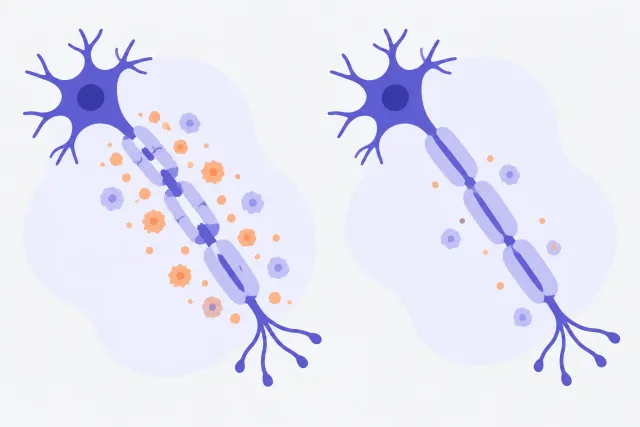
In mice, removing a protein reduced MS-like nerve damage
Removing a protein from the nervous system reduced inflammation and nerve damage in mice with an MS-like disease.

MS study: A drug helped mice repair damaged myelin
In mice, bryostatin-1 helped repair damaged myelin, the protective covering around nerves.
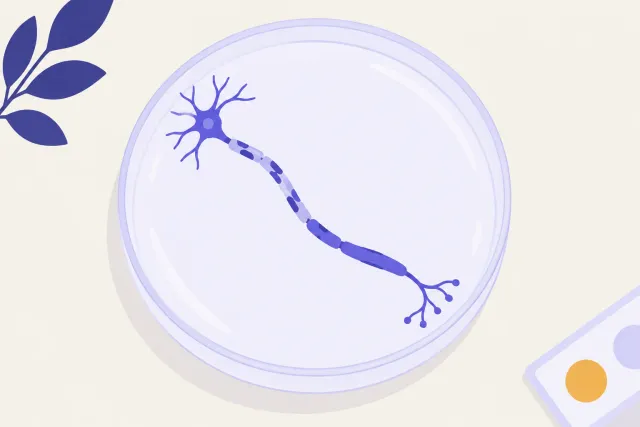
In mice, drugs helped repair myelin damage seen in MS
In mice, drugs helped repair damaged nerve covering, but this study did not test people with MS.

New spinal fluid cell map finds MS-linked immune cells
A new map of spinal fluid cells found one immune cell type was more common in people with MS than in healthy people.
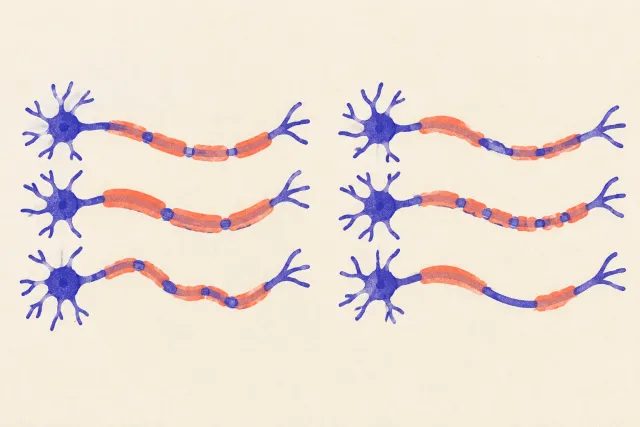
MS brain tissue shows signs linked to myelin repair
Donated MS brain tissue showed different patterns of gene activity in people with more or less myelin repair.

Brain scans find early energy changes in MS nerve tissue
Brain scans found changes in how nerve tissue uses energy early in MS, with larger changes in people who had more disability.

When to lower or stop MS treatment remains uncertain
A review found that when and how to lower or stop MS treatment remains an open question.
New lab method finds differences between progressive MS brains
A new lab method found differences between donated MS brains that were greater than differences between types of MS lesions.

Review: Immune cells drive MS, worsen other diseases
This review says the immune system drives MS but plays a supporting role in several other brain and nerve diseases.

Spinal fluid immune cells share patterns relevant to MS
Immune cells in spinal fluid showed similar patterns across several inflammatory brain and nerve disorders.
Spinal fluid cell test found patterns tied to progressive MS
A test of immune cells in spinal fluid found patterns linked to progressive MS and disability levels.

MS hormone research leaves gender-diverse people out
Research on hormones and MS has largely left out transgender and other gender-diverse people.
A gut-made chemical prevented MS-like disease in mice
In mice with an MS-like disease, the same immune substance worsened early disease but eased it later when made by nerve cells.
Stopping MS drugs raised brain scan activity in stable MS
People with stable MS who stopped first-line treatment had more new brain scan changes than those who continued.
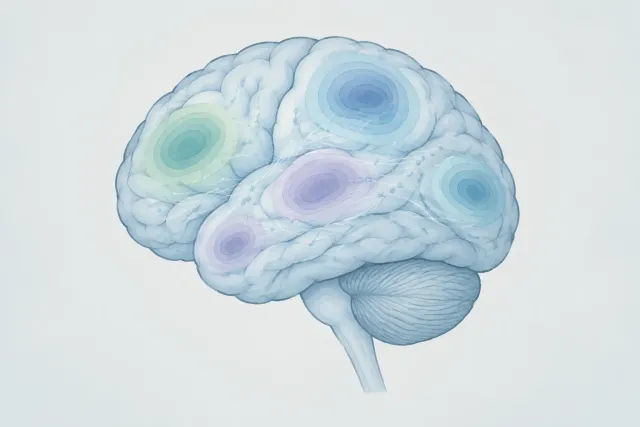
Slow-growing brain spots distinguish childhood MS
Slowly growing spots on brain scans were common in children with MS but rare in children with an MS look-alike condition.
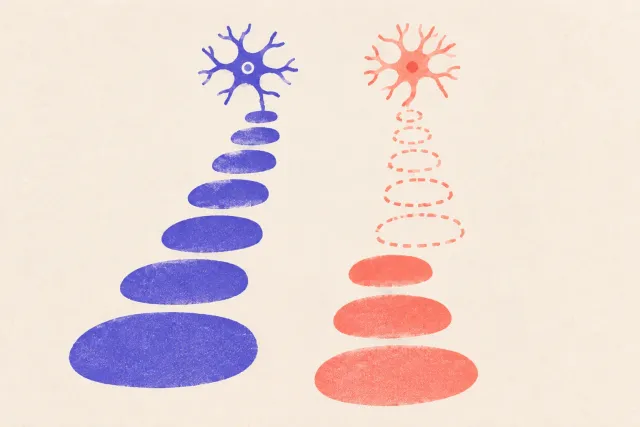
MS treatment lessons may guide Parkinson drug research
Researchers proposed using lessons from MS treatment development to guide the search for treatments that slow Parkinson disease.

MS diagnosis rules also worked for primary progressive MS
Rules used to diagnose relapsing MS also identified most people with primary progressive MS in this study.

In animals, blocking immune signals sped repair tied to MS
In animals, blocking certain immune signals sped repair of damaged nerve covering and improved movement.

Review links Epstein-Barr virus to MS and other diseases
A review found strong evidence linking Epstein-Barr virus to MS, but how the virus may contribute to MS remains unclear.
Evobrutinib did not beat Aubagio for MS flare-ups in trials
Evobrutinib did not reduce MS flare-ups more than Aubagio, and serious health problems were more common with evobrutinib.

Poor ability to cope with illness may affect MS care
A review suggests that frailty (reduced ability to cope with health problems) may affect MS and could matter when planning care.
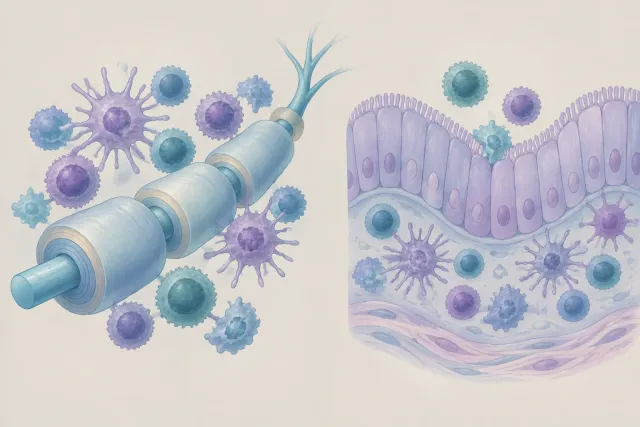
MS and celiac disease may share immune system patterns
The authors describe similarities between MS and celiac disease that may help researchers understand how MS develops.

MS antibodies matched virus parts more than once thought
Immune proteins found in people with MS matched parts of the Epstein-Barr virus more often than researchers had recognized.

MS risk gene linked to stronger Epstein-Barr response
People with a genetic risk factor for MS had stronger immune responses to two parts of the Epstein-Barr virus.

New cell map tracks DNA activity in MS and other diseases
Researchers built a cell map to study how mobile pieces of DNA behave in MS and two other brain diseases.
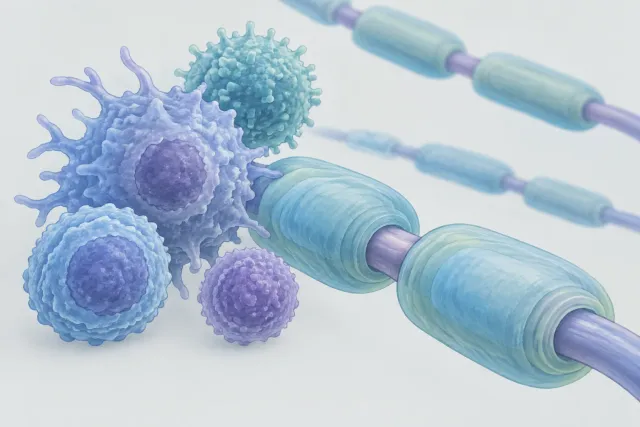
In mice, activating immune cells eased MS-like disease
In mice, activating certain immune cells eased an MS-like disease, while blocking their activation made it worse.

In mice, myelin repair reduced MS-like nerve cell loss
In mice with damaged nerve coverings, repair was linked to less nerve cell loss, and blocking a damage signal also protected nerve cells.

Progressive MS gut bacteria raised disease risk in mice
A type of gut bacterium was more common in progressive MS and made mice more likely to develop an MS-like disease.

Study links obesity to worse long-term MS disability
Genetic evidence linked higher body weight to worse long-term disability in people with MS.

In rabbits, clemastine depleted cells needed for MS repair
In rabbits with damaged nerve covering, clemastine helped make repair cells but also depleted the cells that produce them.
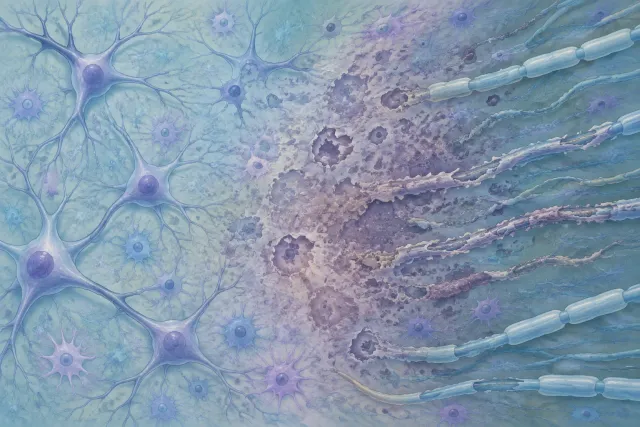
In progressive MS, slow-growing lesions tracked brain damage
In donated MS brains, slow-growing areas of damage appeared alongside signs of nerve cell injury and loss.

Blood tests may flag MS worsening without relapses
In people with MS starting drugs that remove B cells, two blood markers showed different links to worsening without relapses.
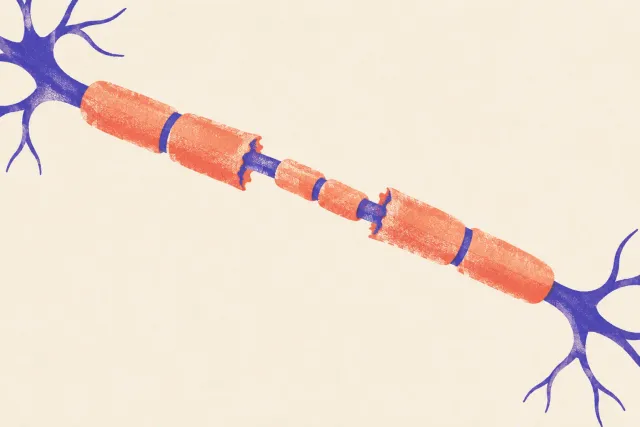
Review: Copaxone may help repair nerve covering in MS
This review reports that Copaxone changes immune activity and may support repair of damaged nerve covering in MS.

New brain scans track repair and damage in MS lesions
Detailed brain scans found signs of both repair and damage in MS lesions over two years.

MS disability worsened more slowly in recent years
Disability worsened more slowly in people diagnosed with relapsing MS more recently, including worsening that happened without a relapse.
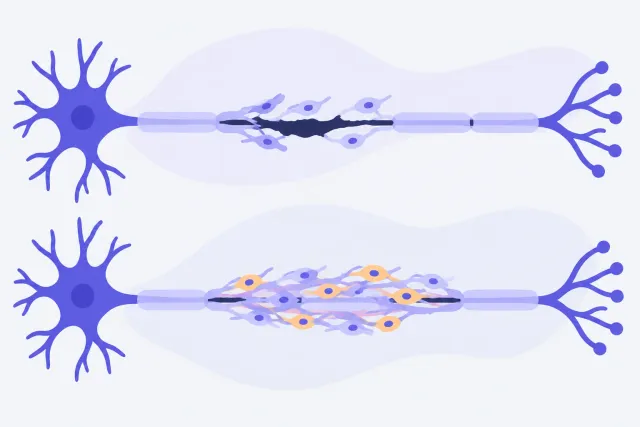
Edited cells improved MS-like nerve repair in rodents
Edited human cells moved farther and repaired more nerve covering than unedited cells after transplantation into rodents with long-lasting damage.

MS lab study: Gray matter cells wrapped fibers more
In a lab study related to MS, gray matter cells wrapped more artificial fibers but were also more vulnerable to injury.
Review examines targeted immune treatments for MS and more
A review found that targeted immune treatments show potential in animal studies and are being tested in clinical trials.

Lab-grown human cells may help study inflammation in MS
A review found that lab-grown human cells may help researchers study brain inflammation in MS and other diseases.

MS-related brain inflammation: Cells may damage or repair
A review proposes that different immune cells may either damage or help repair the brain during inflammation related to MS.

MS diagnosis may need different checks across regions
A review recommends checking for diseases common in a patient’s region when evaluating possible MS.
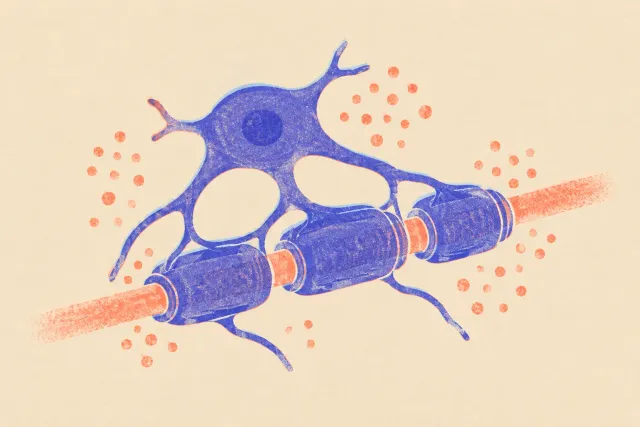
Review: Myelin-making cells may shape MS progression
A review proposes that cells that make myelin may help shape inflammation and disease progression in MS.

MS diagnosis may miss look-alikes in minority groups
A review says MS diagnosis should account for look-alike conditions and social barriers affecting people from minority racial and ethnic backgrounds.

Tracking progressive MS needs more than disability scores
This review says disability scores alone may miss changes in progressive MS that scans, lab tests, and patient reports can help capture.

Rituximab cut MS relapses; infections rose after switch
People taking rituximab had fewer MS relapses, but those who switched to it had more serious infections.
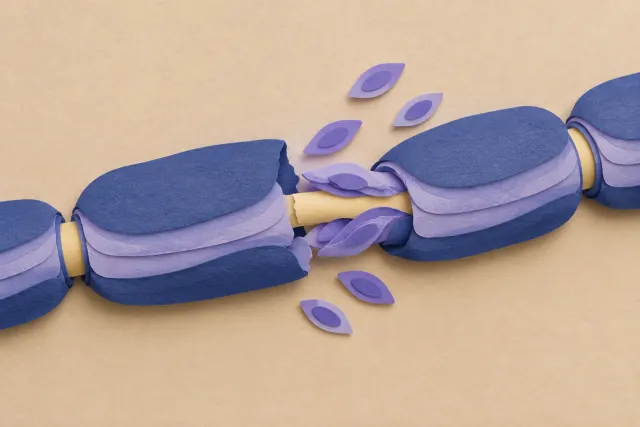
MS brain tissue and mice showed nerve covering repair
In MS brain tissue and mice, cells that make nerve covering responded quickly to damage and helped repair it.

Study links a gene variant, blood protein, and MS
Researchers found a gene variant linked to a blood protein level and to MS in health records.
Gut bacteria patterns differed across MS and other diseases
Gut bacteria patterns differed across the diseases studied, while lupus and inflammatory bowel disease had notable similarities.
More health conditions linked to MS relapses or new lesions
People with MS who had more other health conditions were more likely to have a relapse, worsening disability, or new brain scan lesions.

Review guides MS diagnosis in children and older adults
An expert review offers guidance on telling MS from other conditions in children and older adults.

MS and related diseases: a larger share of eye nerve cases
New cases of optic neuritis (swelling of the nerve from eye to brain) fell during the pandemic, but more cases involved MS or related diseases in 2021.

In mice, removing a cell signal helped repair MS damage
In mice, removing a signal released by brain cells improved repair of damaged nerve covering and reduced disease severity.

Gene loss made MS-like disease deadly in adult mice
Mice missing a gene in cells that make myelin were more likely to die after developing an MS-like disease.

COVID-19 disrupted MS care and complicated symptom checks
The COVID-19 pandemic disrupted MS care and made it harder to tell long COVID symptoms from MS symptoms.

Blood and Spinal Fluid Tests May Help Track MS Over Time
Blood and spinal fluid tests may help doctors diagnose MS, predict its course, and track changes over time.
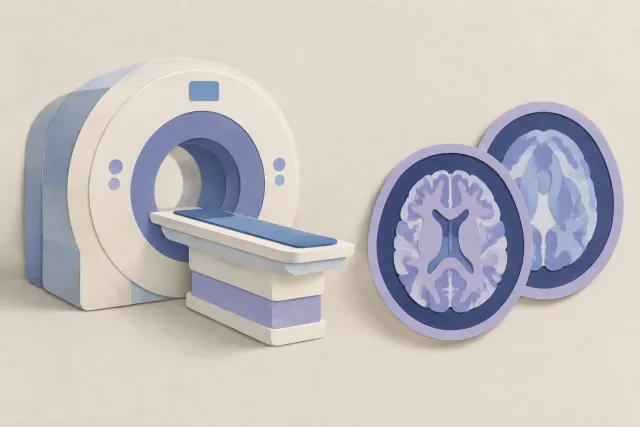
MRI helps diagnose MS, but misuse can lead to errors
MRI helps diagnose MS early, but using scan results incorrectly can lead to a wrong diagnosis.

MS disability may worsen without relapses from early on
This review describes how MS disability can worsen without relapses, even early in the disease.

Check out the MS Buddy app
It’s free, with no ads. Built by people living with MS.


More on MS Buddy
 MS clinical trialsTrials recruiting now, by state, phase or treatment.
 Browse MS centers by stateThe full directory, with a page for each state and city.
 MS terms explainedThe words you hear at appointments, in plain language.
 Questions for your doctorMore than 200, grouped by what is going on with you.